Delhi HC Questions Jantar Mantar Protests
Delhi HC raises concerns, Dalit group seeks protest permission
'%3E%3Crect%20width%3D'96'%20height%3D'96'%20fill%3D'%231A5276'%2F%3E%3Ccircle%20cx%3D'30'%20cy%3D'24'%20r%3D'44'%20fill%3D'%23fff'%20opacity%3D'.12'%2F%3E%3Ccircle%20cx%3D'60'%20cy%3D'74'%20r%3D'40'%20fill%3D'%23000'%20opacity%3D'.10'%2F%3E%3C%2Fg%3E%3Cg%20fill%3D'%23fff'%3E%3Cpath%20d%3D'M31%2041%20L48%2031%20L65%2041%20Z'%2F%3E%3Crect%20x%3D'33'%20y%3D'43'%20width%3D'4'%20height%3D'17'%2F%3E%3Crect%20x%3D'41'%20y%3D'43'%20width%3D'4'%20height%3D'17'%2F%3E%3Crect%20x%3D'51'%20y%3D'43'%20width%3D'4'%20height%3D'17'%2F%3E%3Crect%20x%3D'59'%20y%3D'43'%20width%3D'4'%20height%3D'17'%2F%3E%3Crect%20x%3D'30'%20y%3D'62'%20width%3D'36'%20height%3D'4'%20rx%3D'1'%2F%3E%3C%2Fg%3E%3C%2Fsvg%3E)
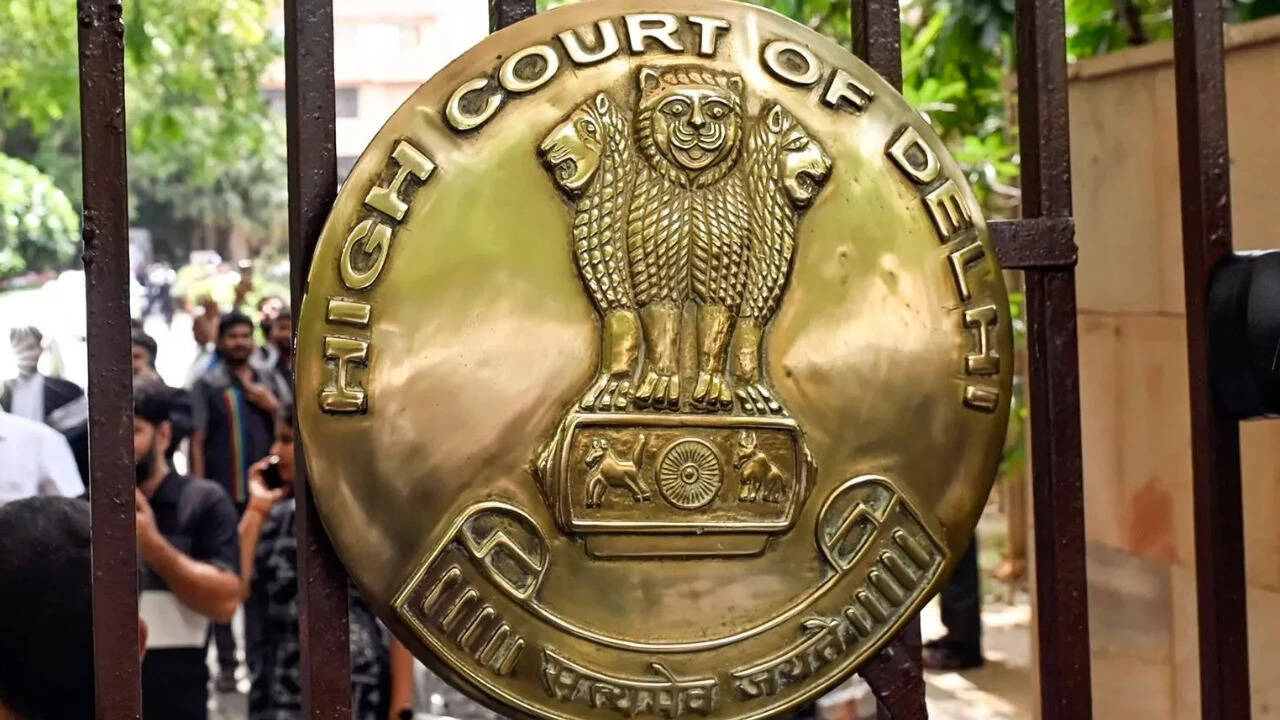
The Delhi High Court has expressed concerns over the use of Jantar Mantar as a protest site, questioning why the entire city should suffer due to interruptions caused by protests.
A Dalit Christian group has filed a plea seeking permission to hold a peaceful demonstration at Jantar Mantar on August 10. The court has asked the police to provide clarity on the request by Saturday.
The group's plea is part of a larger debate over the use of Jantar Mantar as a protest site. The location has been a hub for protests and demonstrations in the past, with many groups and individuals gathering there to voice their concerns and demands.
However, the frequent protests at Jantar Mantar have also caused disruptions to the daily life of residents and commuters in the area. The court's concerns reflect the need to balance the right to protest with the need to maintain public order and minimize disruptions.
The Supreme Court is also considering the issue of protest locations in the city. The court is looking into alternative locations where protests can be held without causing disruptions to the public.
The use of Jantar Mantar as a protest site has been a topic of debate for some time. While it provides a visible and accessible location for protesters to gather, it also poses challenges for the authorities in maintaining public order.
The Delhi High Court's concerns and the Supreme Court's consideration of alternative protest locations reflect the need for a balanced approach to the right to protest. The court's decision on the Dalit group's plea will be closely watched, as it may set a precedent for future protests at Jantar Mantar.
In the meantime, the police will need to provide clarity on the request by Saturday, and the court will then decide on the plea. The outcome of this case will have implications for the use of Jantar Mantar as a protest site and the balance between the right to protest and public order.
The issue of protest locations is not unique to Delhi, and cities across India face similar challenges. The Supreme Court's consideration of alternative locations may have implications for protest sites across the country.
In conclusion, the Delhi High Court's concerns over Jantar Mantar as a protest site reflect the need for a balanced approach to the right to protest. The court's decision on the Dalit group's plea will be closely watched, and the outcome may have implications for the use of Jantar Mantar and other protest sites in the city.
Frequently asked questions
Why is the Delhi High Court concerned about Jantar Mantar protests?
The court is concerned about the disruptions caused by protests to the daily life of residents and commuters in the area.
What is the Supreme Court considering regarding protest locations?
The Supreme Court is considering alternative locations where protests can be held without causing disruptions to the public.