Minnesota Solar Farms Become Wildflower Havens
Solar farms in Minnesota are now home to wildflowers, bees, and butterflies. Insect abundance has tripled and native bees have increased twentyfold.
'%3E%3Crect%20width%3D'96'%20height%3D'96'%20fill%3D'%23B3261E'%2F%3E%3Ccircle%20cx%3D'30'%20cy%3D'24'%20r%3D'44'%20fill%3D'%23fff'%20opacity%3D'.12'%2F%3E%3Ccircle%20cx%3D'60'%20cy%3D'74'%20r%3D'40'%20fill%3D'%23000'%20opacity%3D'.10'%2F%3E%3C%2Fg%3E%3Cg%20fill%3D'%23fff'%3E%3Crect%20x%3D'29'%20y%3D'49'%20width%3D'8'%20height%3D'19'%20rx%3D'1'%2F%3E%3Crect%20x%3D'39'%20y%3D'40'%20width%3D'9'%20height%3D'28'%20rx%3D'1'%2F%3E%3Crect%20x%3D'50'%20y%3D'45'%20width%3D'8'%20height%3D'23'%20rx%3D'1'%2F%3E%3Crect%20x%3D'60'%20y%3D'53'%20width%3D'7'%20height%3D'15'%20rx%3D'1'%2F%3E%3Crect%20x%3D'41'%20y%3D'34'%20width%3D'5'%20height%3D'6'%2F%3E%3C%2Fg%3E%3C%2Fsvg%3E)
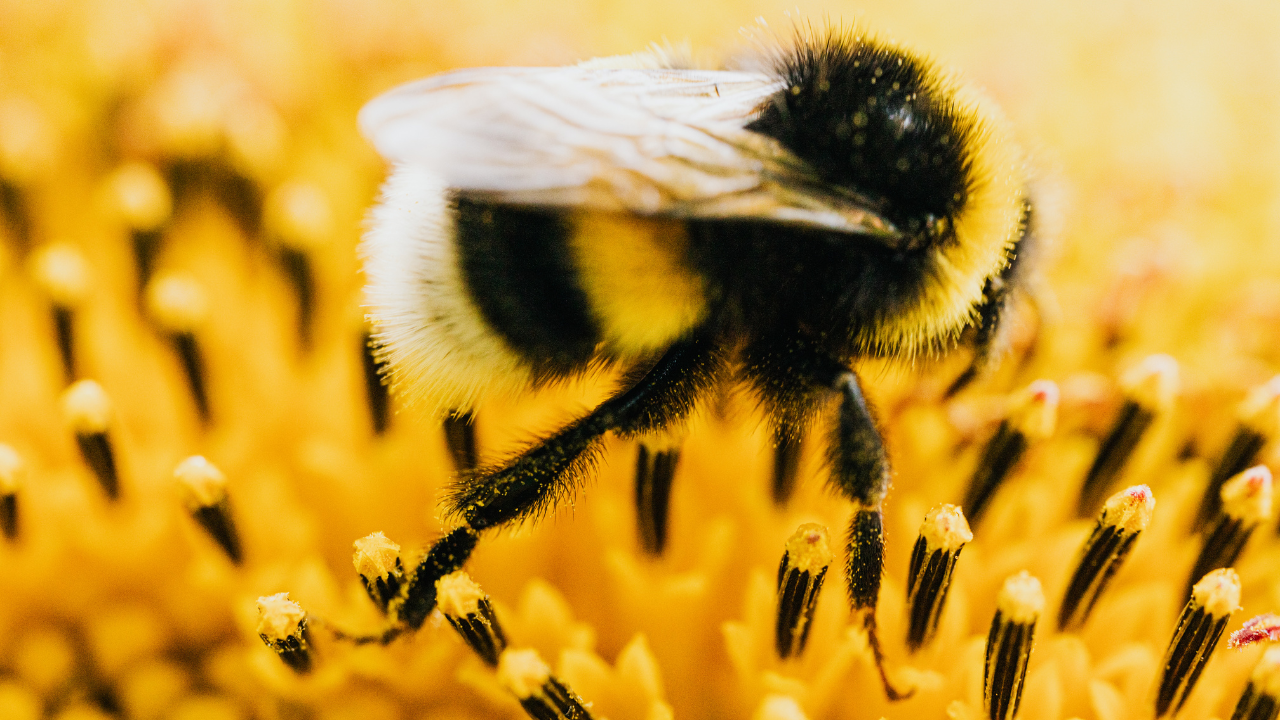
A new initiative in Minnesota has turned solar farms into wildflower havens, attracting bees, butterflies, and other insects. By seeding the land with native plants, the solar farms have seen a significant increase in insect abundance, with native bees increasing twentyfold. This innovative approach has also led to a greater variety of bird species being observed in the area.
The taller solar panel arrays used in these farms allow for more native species to grow underneath, creating a thriving ecosystem. This is in contrast to traditional solar farms, which often use gravel or other materials that can be harmful to the environment.
One of the key benefits of using native prairie habitat in solar farms is that it is cost-effective. Over the life of the solar farm, the cost of maintaining native plants is less than that of using gravel or other materials. This makes it a viable option for solar farm operators who want to reduce their environmental impact.
Despite the success of this initiative, most American solar farms currently lack documented pollinator habitat. This is a missed opportunity, as solar farms can play a crucial role in supporting pollinators and other wildlife. By incorporating native plants and habitats into their design, solar farms can help to conserve biodiversity and promote ecosystem health.
The use of native plants in solar farms is also beneficial for the local ecosystem. It helps to maintain soil health, prevents erosion, and provides a habitat for a variety of wildlife. This approach can also help to educate people about the importance of conservation and the role that solar farms can play in supporting biodiversity.
In addition to the environmental benefits, this initiative also highlights the potential for solar farms to be designed with multiple benefits in mind. By incorporating native plants and habitats, solar farms can not only generate clean energy but also support local ecosystems and promote biodiversity.
The success of this initiative in Minnesota serves as a model for other solar farms across the country. By adopting similar approaches, solar farms can help to conserve biodiversity, promote ecosystem health, and support local wildlife.
In conclusion, the transformation of Minnesota solar farms into wildflower havens is a positive step towards promoting biodiversity and ecosystem health. As the demand for clean energy continues to grow, it is essential that solar farms are designed with the environment in mind. By incorporating native plants and habitats, solar farms can play a crucial role in supporting pollinators and other wildlife, while also generating clean energy.
Frequently asked questions
What is the benefit of using native plants in solar farms?
Using native plants in solar farms helps to maintain soil health, prevents erosion, and provides a habitat for a variety of wildlife. It also costs less than using gravel over the life of the solar farm.
How have the solar farms in Minnesota impacted local wildlife?
The solar farms in Minnesota have seen a significant increase in insect abundance, with native bees increasing twentyfold, and a greater variety of bird species being observed.