US Taller Smokestacks Increased Acid Rain
US power companies built taller smokestacks, increasing acid rain harm.
'%3E%3Crect%20width%3D'96'%20height%3D'96'%20fill%3D'%234A235A'%2F%3E%3Ccircle%20cx%3D'30'%20cy%3D'24'%20r%3D'44'%20fill%3D'%23fff'%20opacity%3D'.12'%2F%3E%3Ccircle%20cx%3D'60'%20cy%3D'74'%20r%3D'40'%20fill%3D'%23000'%20opacity%3D'.10'%2F%3E%3C%2Fg%3E%3Cg%20fill%3D'none'%20stroke%3D'%23fff'%20stroke-width%3D'3'%3E%3Ccircle%20cx%3D'48'%20cy%3D'48'%20r%3D'16'%2F%3E%3Cellipse%20cx%3D'48'%20cy%3D'48'%20rx%3D'6.5'%20ry%3D'16'%2F%3E%3Cline%20x1%3D'32'%20y1%3D'42'%20x2%3D'64'%20y2%3D'42'%2F%3E%3Cline%20x1%3D'32'%20y1%3D'54'%20x2%3D'64'%20y2%3D'54'%2F%3E%3C%2Fg%3E%3C%2Fsvg%3E)
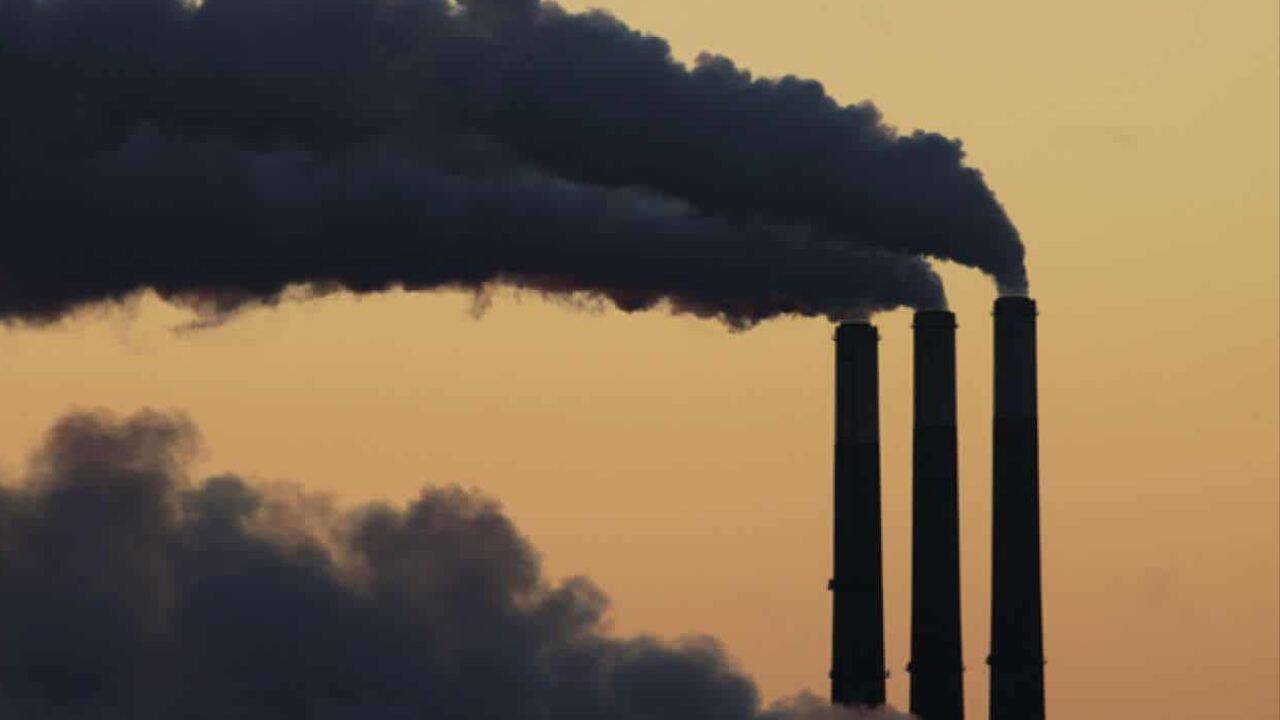
The construction of taller smokestacks by American power companies was intended to reduce local air pollution. However, this approach ultimately led to the release of sulfur dioxide and nitrogen oxides into higher winds, resulting in the spread of acid rain across North America.
The practice of building taller smokestacks was initially seen as a solution to mitigate the negative impacts of air pollution on local communities. By releasing pollutants at higher altitudes, companies hoped to reduce the concentration of harmful substances in the immediate vicinity of their facilities.
Unfortunately, this strategy had unintended consequences. The sulfur dioxide and nitrogen oxides released from the taller smokestacks combined with water and oxygen in the atmosphere, forming acid rain. This phenomenon had devastating effects on ecosystems throughout North America, causing widespread harm to plants, animals, and water bodies.
In response to the growing concern over acid rain, the US Congress revised the Clean Air Act. The revised legislation aimed to restrict the use of tall stacks and promote more effective emission control measures.
The new approach emphasized source capture, which involves reducing pollutants at the source of emission rather than releasing them into the atmosphere. This shift in strategy marked a significant step towards mitigating the harmful effects of acid rain and improving air quality in North America.
The impact of acid rain on ecosystems was a major concern, as it affected not only the environment but also human health. The revised Clean Air Act reflected a growing recognition of the need for more sustainable and environmentally friendly practices in the power industry.
In the context of environmental regulation, the story of taller smokestacks and acid rain serves as a cautionary tale. It highlights the importance of considering the potential long-term consequences of actions intended to mitigate pollution.
The revision of the Clean Air Act and the emphasis on source capture demonstrate a commitment to reducing pollution and promoting environmental sustainability. This approach has far-reaching implications for the power industry and beyond, as it sets a precedent for prioritizing environmental concerns in policy-making.
The significance of this story lies in its demonstration of the complex relationships between environmental policies, industrial practices, and ecological consequences. It underscores the need for nuanced and informed decision-making in the pursuit of sustainable development.
Frequently asked questions
What was the initial intention of building taller smokestacks?
The initial intention was to reduce local air pollution by releasing pollutants at higher altitudes.
What was the outcome of the taller smokestacks?
The outcome was the spread of acid rain across North America, causing harm to ecosystems.