Raccoons in Germany Grow to 30,000
Four raccoons released in Germany multiply to 30,000, raising concerns over wildlife and property.
'%3E%3Crect%20width%3D'96'%20height%3D'96'%20fill%3D'%23B3261E'%2F%3E%3Ccircle%20cx%3D'30'%20cy%3D'24'%20r%3D'44'%20fill%3D'%23fff'%20opacity%3D'.12'%2F%3E%3Ccircle%20cx%3D'60'%20cy%3D'74'%20r%3D'40'%20fill%3D'%23000'%20opacity%3D'.10'%2F%3E%3C%2Fg%3E%3Cg%20fill%3D'%23fff'%3E%3Crect%20x%3D'29'%20y%3D'49'%20width%3D'8'%20height%3D'19'%20rx%3D'1'%2F%3E%3Crect%20x%3D'39'%20y%3D'40'%20width%3D'9'%20height%3D'28'%20rx%3D'1'%2F%3E%3Crect%20x%3D'50'%20y%3D'45'%20width%3D'8'%20height%3D'23'%20rx%3D'1'%2F%3E%3Crect%20x%3D'60'%20y%3D'53'%20width%3D'7'%20height%3D'15'%20rx%3D'1'%2F%3E%3Crect%20x%3D'41'%20y%3D'34'%20width%3D'5'%20height%3D'6'%2F%3E%3C%2Fg%3E%3C%2Fsvg%3E)
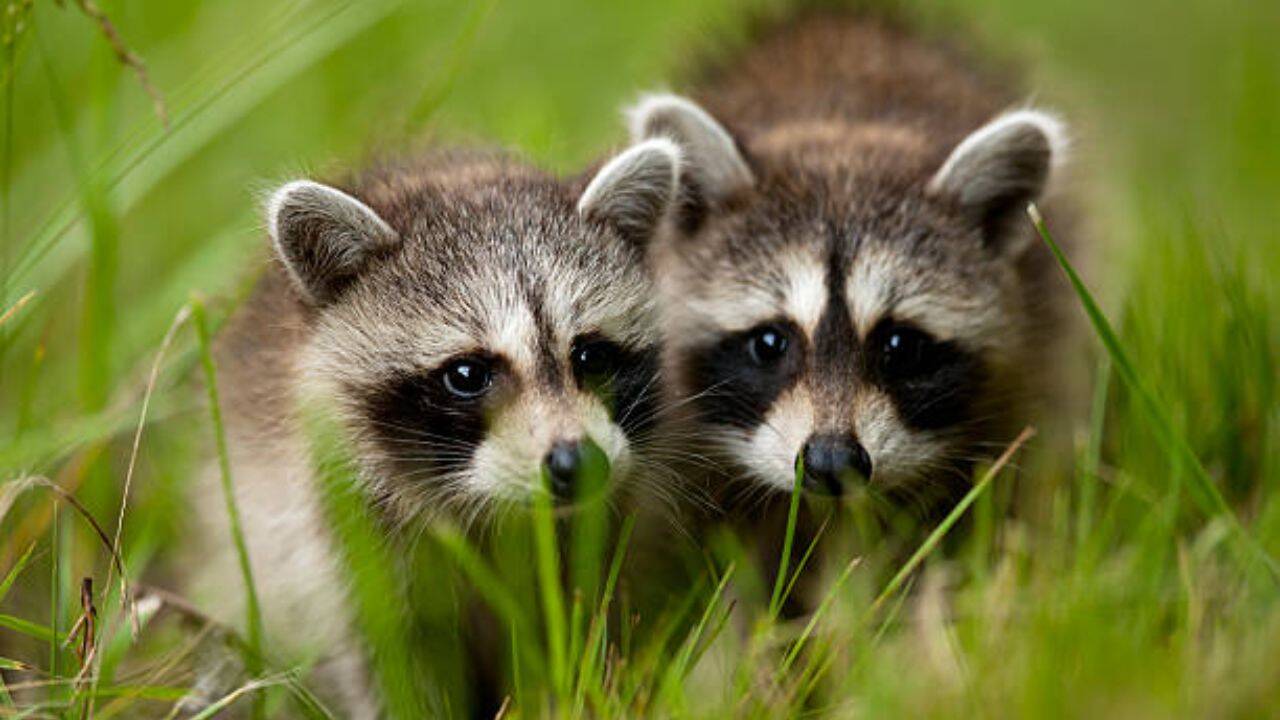
A group of four raccoons released in Germany in 1934 has grown into a population of 30,000 in the city of Kassel. The release of these raccoons was a deliberate act, with archival documents suggesting that they were introduced to the area as part of an administrative decision.
Research has shown that the raccoons were initially thought to have been associated with Hermann Göring, but this has been disputed by genetic studies. These studies have instead pinpointed several other deliberate releases of raccoons across eastern Germany.
The raccoons have proven to be highly adaptable creatures, able to thrive in a variety of environments. As a result, they have proliferated throughout Europe, raising concerns over their potential impact on indigenous wildlife and property.
The rapid growth of the raccoon population in Germany has significant implications for the country's ecosystem. The raccoons are known to be opportunistic feeders, and their presence can lead to the destruction of crops and property.
Furthermore, the introduction of non-native species can have a devastating impact on indigenous wildlife. The raccoons may compete with native species for food and habitat, leading to a decline in their populations.
In addition to the environmental concerns, the growth of the raccoon population also raises questions about the role of human activity in shaping the natural world. The deliberate release of non-native species can have far-reaching and unpredictable consequences, highlighting the need for careful consideration and planning in such matters.
The story of the raccoons in Germany serves as a cautionary tale about the importance of responsible stewardship of the environment. As the world grapples with the challenges of climate change and biodiversity loss, it is essential to consider the potential consequences of human actions on the natural world.
In conclusion, the growth of the raccoon population in Germany from just four individuals to 30,000 is a remarkable example of the adaptability and resilience of non-native species. However, it also highlights the need for careful consideration and planning in the introduction of such species, in order to mitigate the potential risks to indigenous wildlife and the environment.
The significance of this story extends beyond Germany, as it highlights the global issue of invasive species and their impact on local ecosystems. It is essential to learn from this example and take steps to prevent similar situations from arising in the future.
Ultimately, the story of the raccoons in Germany serves as a reminder of the importance of responsible environmental stewardship and the need for careful consideration of the potential consequences of human actions on the natural world.
Frequently asked questions
What is the origin of the raccoons in Germany?
The raccoons were introduced to Germany in 1934, with archival documents suggesting a deliberate release.
What are the concerns surrounding the growth of the raccoon population?
The growth of the raccoon population raises concerns over potential property destruction and threats to indigenous wildlife.