Vancouver Uses Sewage Heat for Energy
Vancouver uses sewage heat, renewable energy for buildings
'%3E%3Crect%20width%3D'96'%20height%3D'96'%20fill%3D'%23B3261E'%2F%3E%3Ccircle%20cx%3D'30'%20cy%3D'24'%20r%3D'44'%20fill%3D'%23fff'%20opacity%3D'.12'%2F%3E%3Ccircle%20cx%3D'60'%20cy%3D'74'%20r%3D'40'%20fill%3D'%23000'%20opacity%3D'.10'%2F%3E%3C%2Fg%3E%3Cg%20fill%3D'%23fff'%3E%3Crect%20x%3D'29'%20y%3D'49'%20width%3D'8'%20height%3D'19'%20rx%3D'1'%2F%3E%3Crect%20x%3D'39'%20y%3D'40'%20width%3D'9'%20height%3D'28'%20rx%3D'1'%2F%3E%3Crect%20x%3D'50'%20y%3D'45'%20width%3D'8'%20height%3D'23'%20rx%3D'1'%2F%3E%3Crect%20x%3D'60'%20y%3D'53'%20width%3D'7'%20height%3D'15'%20rx%3D'1'%2F%3E%3Crect%20x%3D'41'%20y%3D'34'%20width%3D'5'%20height%3D'6'%2F%3E%3C%2Fg%3E%3C%2Fsvg%3E)
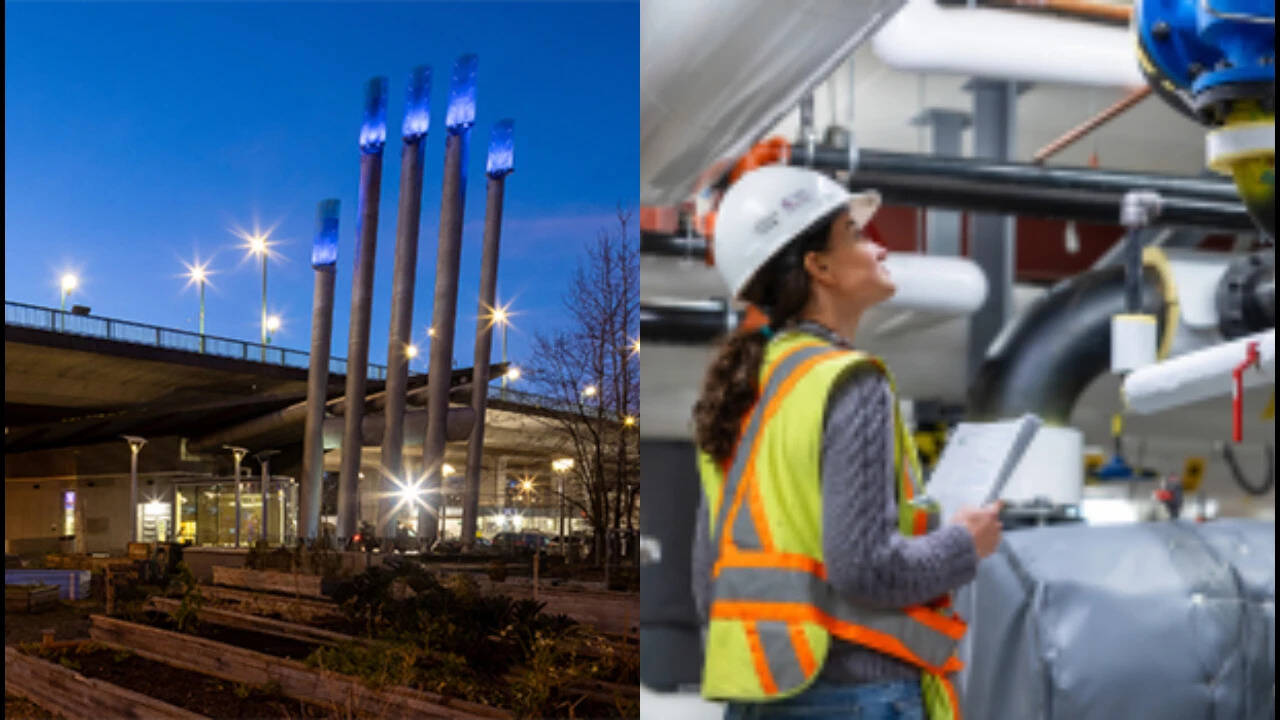
Vancouver has implemented a unique system to harness the heat from sewage to provide renewable energy for buildings. This innovative approach is part of the city's efforts to reduce its carbon footprint and increase its use of sustainable energy sources.
The system works by capturing the warmth from sewage water and using it to heat buildings. This warmth is typically lost as the sewage water flows through the pipes, but by harnessing it, Vancouver is able to reduce the amount of energy needed to heat buildings.
The city's sewage system is equipped with specialized pipes that are designed to capture and transfer the heat from the sewage water. This heat is then used to warm buildings, reducing the need for traditional heating sources such as natural gas or electricity.
Vancouver's use of sewage heat for energy is a significant step towards reducing the city's reliance on non-renewable energy sources. The city has set ambitious targets to reduce its greenhouse gas emissions and is exploring a range of innovative solutions to achieve this goal.
One of the key benefits of using sewage heat for energy is that it is a constant and reliable source of warmth. Unlike solar or wind power, which can be intermittent, sewage heat is always available, making it an attractive option for buildings that require a consistent supply of heat.
The use of sewage heat for energy is also a cost-effective solution. By reducing the amount of energy needed to heat buildings, Vancouver is able to save money on energy costs and reduce its impact on the environment.
Vancouver's innovative approach to using sewage heat for energy is being watched closely by other cities around the world. As the world continues to grapple with the challenges of climate change, cities are looking for new and innovative ways to reduce their carbon footprint and increase their use of sustainable energy sources.
In the context of India, where many cities are struggling to meet their energy demands, Vancouver's use of sewage heat for energy could provide a valuable lesson. With its rapidly growing population and increasing energy needs, India is in need of innovative solutions to reduce its reliance on non-renewable energy sources.
The significance of Vancouver's use of sewage heat for energy lies in its potential to be replicated in other cities. As the world continues to urbanize, cities are facing increasing pressure to reduce their carbon footprint and increase their use of sustainable energy sources. Vancouver's innovative approach provides a valuable model for other cities to follow, and its success could have a significant impact on the global effort to reduce greenhouse gas emissions.
In conclusion, Vancouver's use of sewage heat for energy is a significant step towards reducing the city's reliance on non-renewable energy sources. The city's innovative approach provides a valuable model for other cities to follow, and its success could have a significant impact on the global effort to reduce greenhouse gas emissions.
Frequently asked questions
What is Vancouver's sewage heat system?
Vancouver's sewage heat system captures warmth from sewage water and uses it to heat buildings.
Is sewage heat a reliable source of energy?
Yes, sewage heat is a constant and reliable source of warmth, unlike solar or wind power.