Cloudy Water Found In Beed Hospital Oxygen Humidifier
Beed hospital faces safety concerns after cloudy water detected in oxygen humidifier. Patient safety at risk due to potential microbial contamination.
'%3E%3Crect%20width%3D'96'%20height%3D'96'%20fill%3D'%23B3261E'%2F%3E%3Ccircle%20cx%3D'30'%20cy%3D'24'%20r%3D'44'%20fill%3D'%23fff'%20opacity%3D'.12'%2F%3E%3Ccircle%20cx%3D'60'%20cy%3D'74'%20r%3D'40'%20fill%3D'%23000'%20opacity%3D'.10'%2F%3E%3C%2Fg%3E%3Cg%20fill%3D'%23fff'%3E%3Crect%20x%3D'29'%20y%3D'49'%20width%3D'8'%20height%3D'19'%20rx%3D'1'%2F%3E%3Crect%20x%3D'39'%20y%3D'40'%20width%3D'9'%20height%3D'28'%20rx%3D'1'%2F%3E%3Crect%20x%3D'50'%20y%3D'45'%20width%3D'8'%20height%3D'23'%20rx%3D'1'%2F%3E%3Crect%20x%3D'60'%20y%3D'53'%20width%3D'7'%20height%3D'15'%20rx%3D'1'%2F%3E%3Crect%20x%3D'41'%20y%3D'34'%20width%3D'5'%20height%3D'6'%2F%3E%3C%2Fg%3E%3C%2Fsvg%3E)
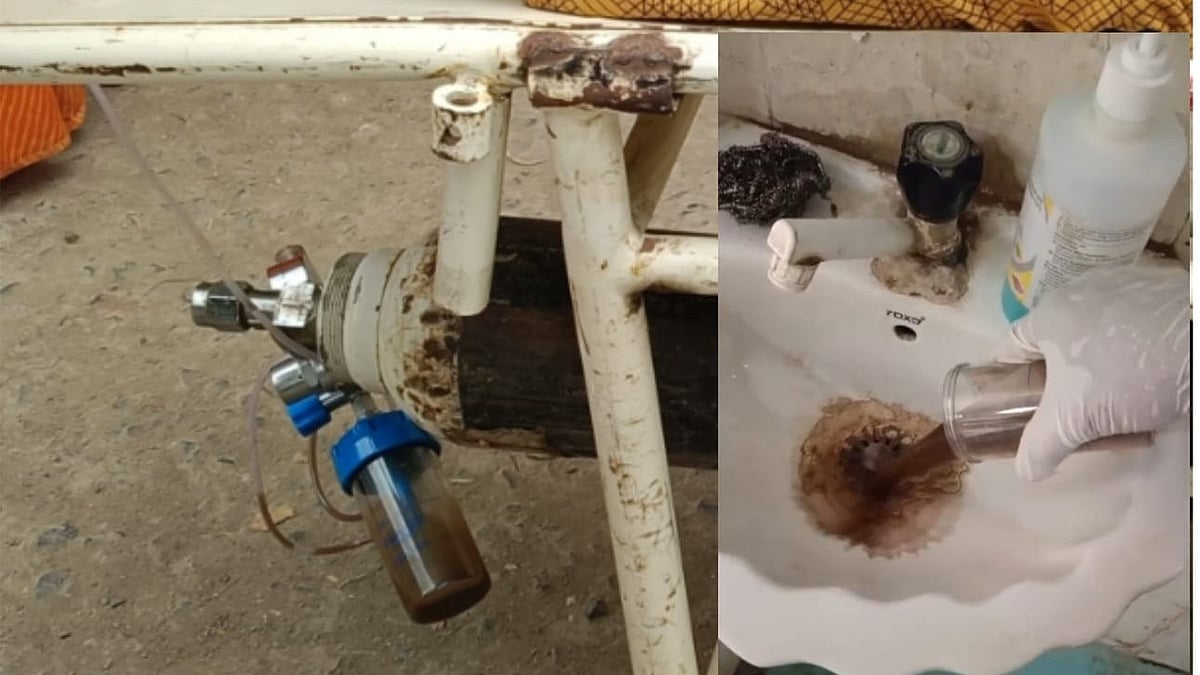
A critical incident has occurred at the Beed District Hospital, where heavily cloudy water was allegedly found in an oxygen humidifier bottle used for a patient in the semi-ICU ward. The incident has raised serious patient safety concerns and triggered demands for a high-level inquiry into the hospital's infection-control protocols, water quality, and equipment maintenance.
The incident came to light when a semi-ICU patient developed respiratory distress while being taken for a sonography examination. Hospital staff administered oxygen through a mask during transit, during which attendants noticed that the water inside the humidifier bottle was severely discoloured and cloudy. Following protests, the staff discarded the water and replaced the humidifier unit before resuming oxygen administration.
Medical protocols mandate the use of sterile distilled water and rigorous disinfection routines for oxygen humidification systems to prevent microbial contamination. Experts warn that contaminated water or unsterilised humidifier bottles can lead to biofilm formation and aerosolise harmful pathogens directly into a patient's respiratory tract, posing severe risks to immunocompromised and critically ill individuals.
Social activist Dr Ganesh Dhawale has submitted a formal complaint to Public Health Minister Prakash Abitkar and District Guardian Minister Sunetra Pawar, demanding an immediate probe into the incident. In his complaint, Dr Dhawale urged authorities to send water samples for microbiological testing and inspect all oxygen delivery apparatus, including humidifier bottles and delivery tubing. He also sought an audit of the facility's sanitation logs and strict disciplinary action against staff found guilty of procedural lapses.
The controversy comes close on the heels of another alleged medical negligence case at the same facility. Days earlier, relatives of Sandhya Suraj Pawar from Wadwani alleged that surgical material was left inside her abdomen during a Caesarean section, leading to a life-threatening infection that required emergency corrective surgeries.
The incidents have drawn criticism from civil society over healthcare standards and sanitation at the state-run hospital. The hospital's infection-control protocols and equipment maintenance procedures are under scrutiny, and authorities are being urged to take immediate action to address the concerns.
The use of contaminated water in oxygen humidifiers can have severe consequences for patients, particularly those who are critically ill or immunocompromised. It is essential for hospitals to adhere to strict infection-control protocols and ensure that all equipment is properly maintained and sterilised to prevent such incidents.
In the wake of these incidents, there is a growing demand for greater accountability and transparency in the healthcare system. Patients and their families have the right to expect safe and quality care, and it is the responsibility of healthcare providers to ensure that they receive it.
The incident at Beed District Hospital highlights the need for regular audits and inspections of healthcare facilities to ensure that they are adhering to proper infection-control protocols and maintaining high standards of patient care. It also underscores the importance of addressing patient safety concerns promptly and taking disciplinary action against staff found guilty of procedural lapses.
In conclusion, the incident at Beed District Hospital is a serious concern that requires immediate attention from authorities. Patient safety is a top priority, and it is essential to ensure that all healthcare facilities are adhering to proper infection-control protocols and maintaining high standards of patient care.
Frequently asked questions
What is the concern with cloudy water in oxygen humidifiers?
Contaminated water or unsterilised humidifier bottles can lead to biofilm formation and aerosolise harmful pathogens directly into a patient's respiratory tract, posing severe risks to immunocompromised and critically ill individuals.
What action is being demanded in response to the incident?
A high-level inquiry into the hospital's infection-control protocols, water quality, and equipment maintenance, as well as disciplinary action against staff found guilty of procedural lapses.