India To Scrap Physical Boarding Cards
India to introduce digital boarding cards, simplifying immigration. No more paper needed.
'%3E%3Crect%20width%3D'96'%20height%3D'96'%20fill%3D'%23B3261E'%2F%3E%3Ccircle%20cx%3D'30'%20cy%3D'24'%20r%3D'44'%20fill%3D'%23fff'%20opacity%3D'.12'%2F%3E%3Ccircle%20cx%3D'60'%20cy%3D'74'%20r%3D'40'%20fill%3D'%23000'%20opacity%3D'.10'%2F%3E%3C%2Fg%3E%3Cg%20fill%3D'%23fff'%3E%3Crect%20x%3D'29'%20y%3D'49'%20width%3D'8'%20height%3D'19'%20rx%3D'1'%2F%3E%3Crect%20x%3D'39'%20y%3D'40'%20width%3D'9'%20height%3D'28'%20rx%3D'1'%2F%3E%3Crect%20x%3D'50'%20y%3D'45'%20width%3D'8'%20height%3D'23'%20rx%3D'1'%2F%3E%3Crect%20x%3D'60'%20y%3D'53'%20width%3D'7'%20height%3D'15'%20rx%3D'1'%2F%3E%3Crect%20x%3D'41'%20y%3D'34'%20width%3D'5'%20height%3D'6'%2F%3E%3C%2Fg%3E%3C%2Fsvg%3E)
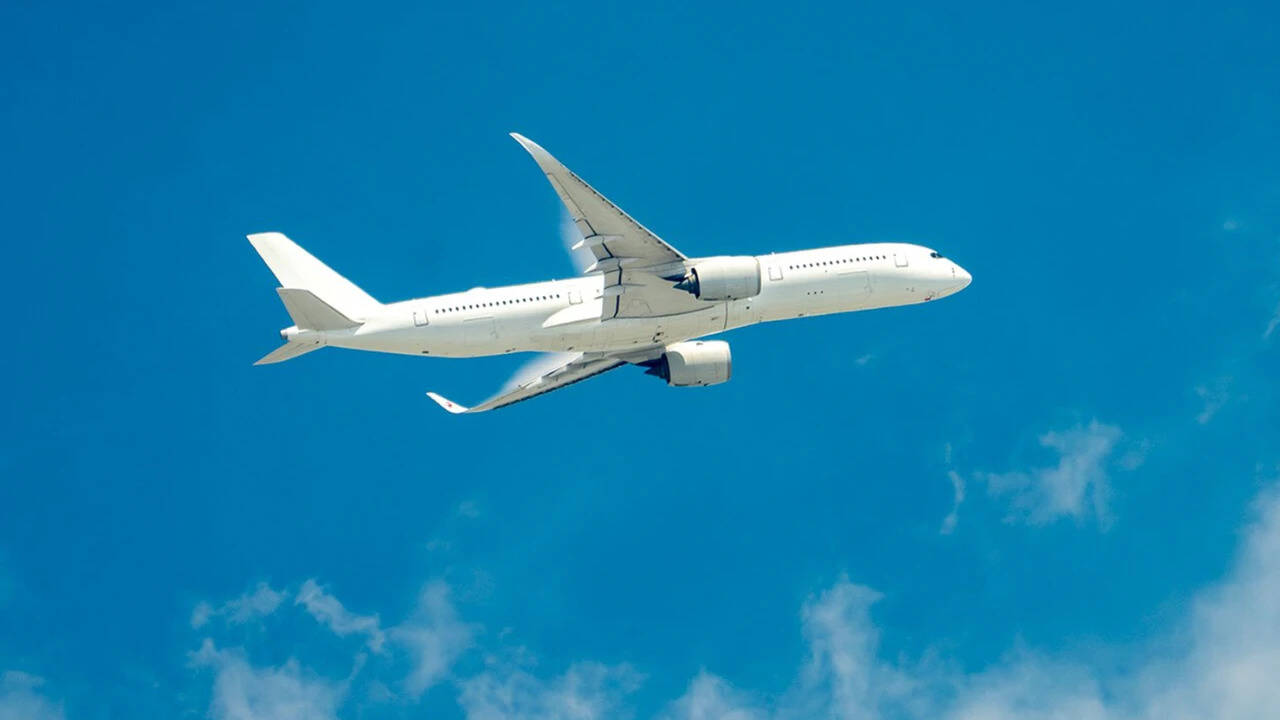
The Indian government is set to introduce a new system that will eliminate the need for physical boarding cards at immigration checkpoints. This move is expected to simplify and streamline the immigration process for travelers.
The new system will utilize digital boarding cards, which will be linked to a traveler's passport and other identification documents. This will enable immigration officials to quickly and easily verify a traveler's identity and travel documents, reducing the need for physical paperwork.
The introduction of digital boarding cards is part of a broader effort to modernize and improve the efficiency of India's immigration processes. The government has been working to implement a range of technological solutions, including automated border control systems and electronic visa applications, in order to reduce wait times and improve the overall travel experience.
The use of digital boarding cards is expected to have a number of benefits, including reducing the risk of lost or damaged paperwork, and enabling immigration officials to more easily track and monitor traveler movements. The new system will also help to reduce congestion and wait times at immigration checkpoints, making it easier for travelers to enter and exit the country.
The introduction of digital boarding cards is a significant step forward in the government's efforts to create a more efficient and streamlined immigration process. The new system is expected to be rolled out in the coming months, and will be available at major airports across the country.
The move to digital boarding cards is also expected to have a positive impact on the environment, as it will reduce the need for paper and other materials. The government has been working to reduce its environmental footprint, and the introduction of digital boarding cards is a key part of this effort.
In recent years, the Indian government has made a number of efforts to modernize and improve the efficiency of its immigration processes. The introduction of electronic visa applications, for example, has made it easier for travelers to apply for visas and enter the country. The use of automated border control systems has also helped to reduce wait times and improve the overall travel experience.
The introduction of digital boarding cards is the latest step in this effort, and is expected to have a significant impact on the travel experience in India. With the new system, travelers will be able to quickly and easily pass through immigration checkpoints, without the need for physical paperwork.
The government's efforts to modernize and improve the efficiency of its immigration processes are part of a broader effort to promote tourism and economic growth in the country. By making it easier for travelers to enter and exit the country, the government hopes to attract more visitors and boost the economy.
In conclusion, the introduction of digital boarding cards is a significant step forward in the government's efforts to create a more efficient and streamlined immigration process. The new system is expected to have a number of benefits, including reducing wait times and improving the overall travel experience. With the rollout of digital boarding cards, India is set to become a more attractive destination for travelers from around the world.