Native Trout Restored to 120 Miles of Streams
Conservation effort brings back native fish, avoids endangered status.
'%3E%3Crect%20width%3D'96'%20height%3D'96'%20fill%3D'%23B3261E'%2F%3E%3Ccircle%20cx%3D'30'%20cy%3D'24'%20r%3D'44'%20fill%3D'%23fff'%20opacity%3D'.12'%2F%3E%3Ccircle%20cx%3D'60'%20cy%3D'74'%20r%3D'40'%20fill%3D'%23000'%20opacity%3D'.10'%2F%3E%3C%2Fg%3E%3Cg%20fill%3D'%23fff'%3E%3Crect%20x%3D'29'%20y%3D'49'%20width%3D'8'%20height%3D'19'%20rx%3D'1'%2F%3E%3Crect%20x%3D'39'%20y%3D'40'%20width%3D'9'%20height%3D'28'%20rx%3D'1'%2F%3E%3Crect%20x%3D'50'%20y%3D'45'%20width%3D'8'%20height%3D'23'%20rx%3D'1'%2F%3E%3Crect%20x%3D'60'%20y%3D'53'%20width%3D'7'%20height%3D'15'%20rx%3D'1'%2F%3E%3Crect%20x%3D'41'%20y%3D'34'%20width%3D'5'%20height%3D'6'%2F%3E%3C%2Fg%3E%3C%2Fsvg%3E)
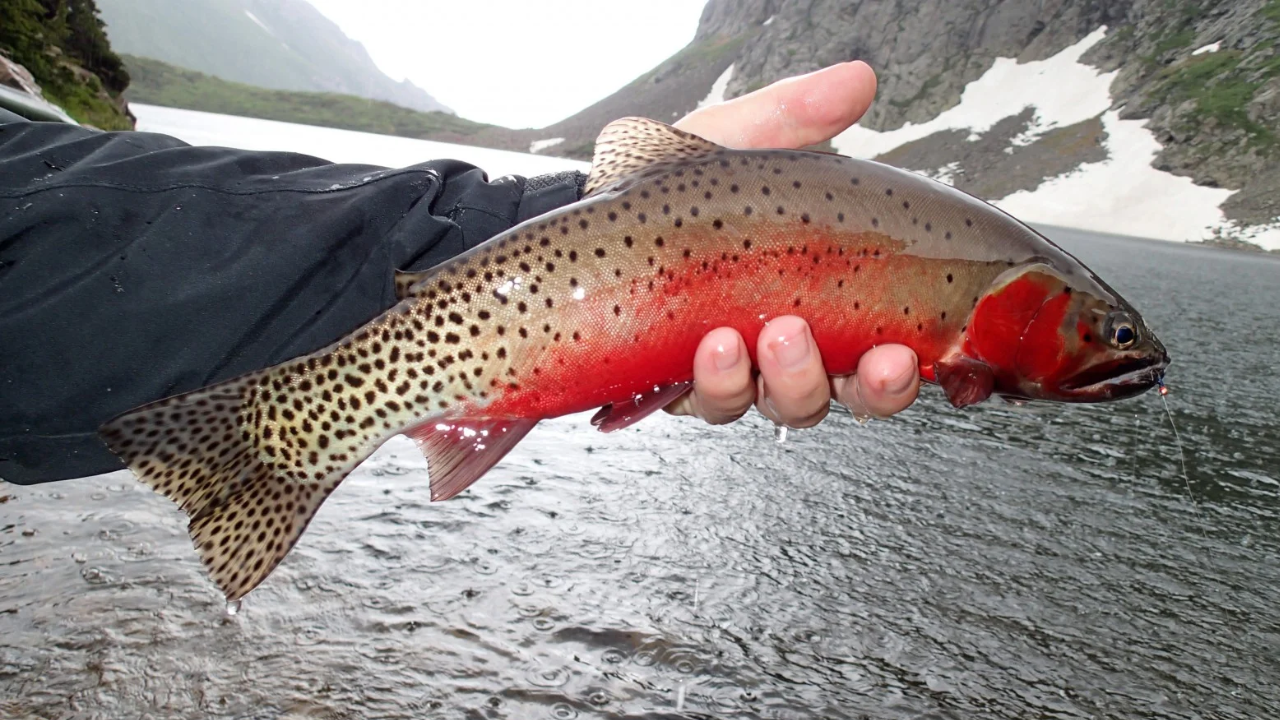
A major conservation initiative has successfully restored native trout species to over 120 miles of streams in two states. The project, which focused on eliminating non-native predators and restoring habitats, has led to the establishment of a self-sustaining population of Rio Grande cutthroat trout.
The reintroduction of the Rio Grande cutthroat trout is a significant achievement, as it has averted the need for federal endangered species status. This species was once abundant in the region, but its population had declined drastically due to the presence of non-native predators and habitat degradation.
The conservation effort involved a multi-step approach, including the removal of non-native predators, restoration of habitats, and reintroduction of native trout species. The project was carried out in collaboration with local communities, conservation organizations, and government agencies.
The success of this project serves as a blueprint for other western states aiming to restore native fish populations. The strategy used in this project can be replicated in other regions, providing a valuable lesson in conservation and habitat restoration.
The restoration of native trout species is not only important for the ecosystem, but also for the local economy. Trout fishing is a popular recreational activity in the region, and the presence of native trout species can support local businesses and communities.
The project's success is also a testament to the power of collaboration and community involvement in conservation efforts. By working together, local communities, conservation organizations, and government agencies can achieve significant results and make a positive impact on the environment.
The Rio Grande cutthroat trout is an important species in the region, and its restoration is a significant achievement. The species plays a crucial role in maintaining the balance of the ecosystem, and its presence can have a positive impact on the environment.
In conclusion, the restoration of native trout species to over 120 miles of streams is a significant conservation achievement. The project's success serves as a blueprint for other western states aiming to restore native fish populations, and its impact will be felt for years to come.
Frequently asked questions
What is the significance of the Rio Grande cutthroat trout restoration?
The restoration of the Rio Grande cutthroat trout is significant because it has averted the need for federal endangered species status and has established a self-sustaining population.
What was the approach used in the conservation effort?
The conservation effort involved a multi-step approach, including the removal of non-native predators, restoration of habitats, and reintroduction of native trout species.