Iran Rejects Trump's Hormuz Transit Fees
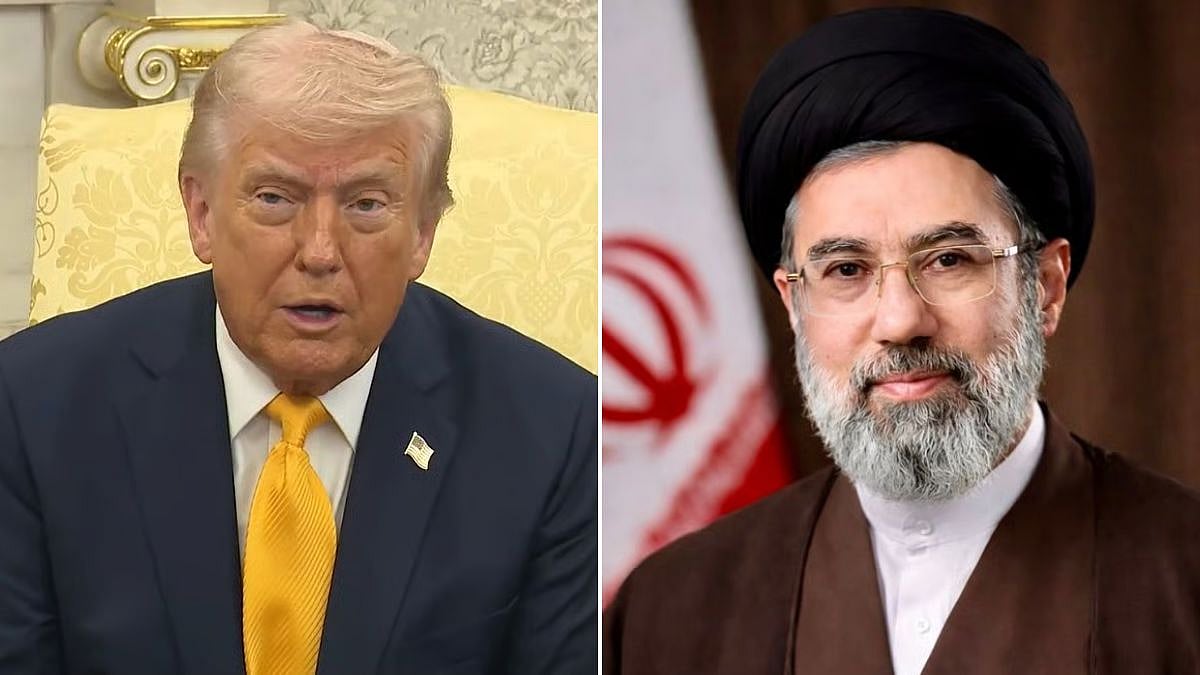
Iran responds to US proposal, calls fee unfair.
'%3E%3Crect%20width%3D'96'%20height%3D'96'%20fill%3D'%234A235A'%2F%3E%3Ccircle%20cx%3D'30'%20cy%3D'24'%20r%3D'44'%20fill%3D'%23fff'%20opacity%3D'.12'%2F%3E%3Ccircle%20cx%3D'60'%20cy%3D'74'%20r%3D'40'%20fill%3D'%23000'%20opacity%3D'.10'%2F%3E%3C%2Fg%3E%3Cg%20fill%3D'none'%20stroke%3D'%23fff'%20stroke-width%3D'3'%3E%3Ccircle%20cx%3D'48'%20cy%3D'48'%20r%3D'16'%2F%3E%3Cellipse%20cx%3D'48'%20cy%3D'48'%20rx%3D'6.5'%20ry%3D'16'%2F%3E%3Cline%20x1%3D'32'%20y1%3D'42'%20x2%3D'64'%20y2%3D'42'%2F%3E%3Cline%20x1%3D'32'%20y1%3D'54'%20x2%3D'64'%20y2%3D'54'%2F%3E%3C%2Fg%3E%3C%2Fsvg%3E)
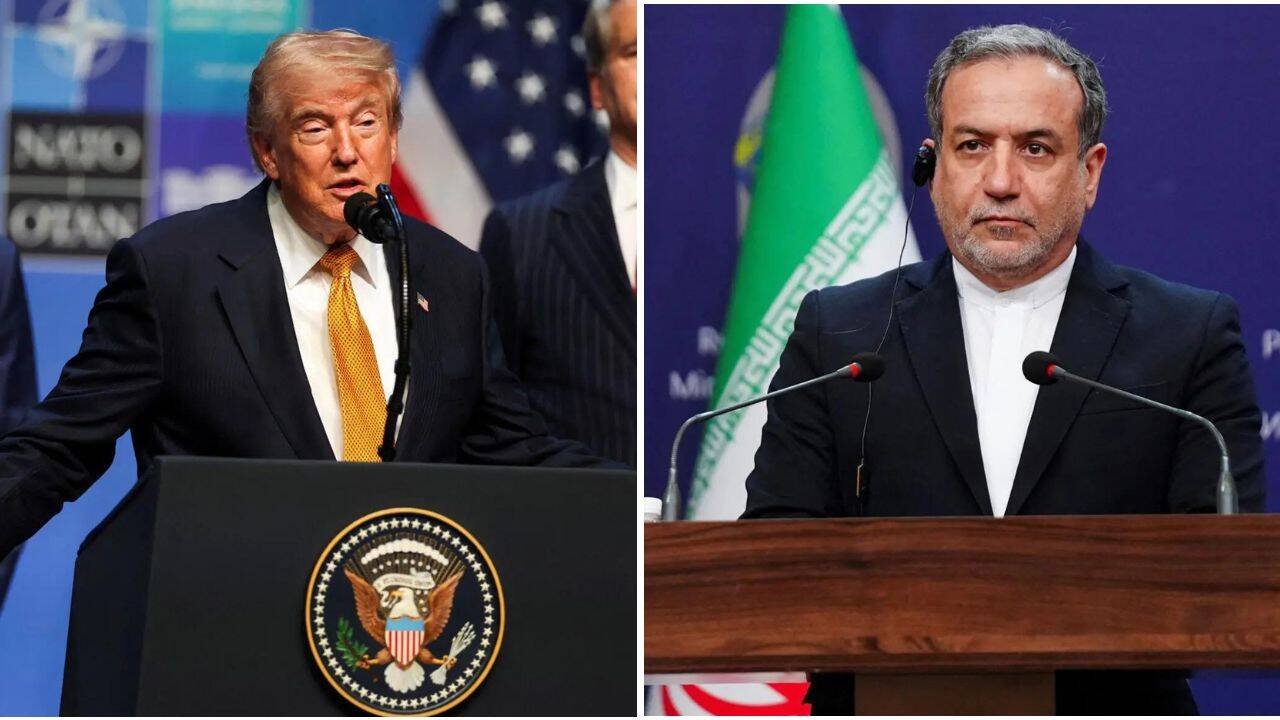
Iran has rejected the US proposal to charge a 20% transit fee for ships passing through the Strait of Hormuz, a vital waterway connecting the Persian Gulf to the Gulf of Oman.
The Iranian government has called the proposed fee unfair and excessive. In response to the US proposal, Iran stated that it would be fair in its treatment of ships passing through the strait.
The Strait of Hormuz is a critical shipping route, with a significant portion of the world's oil passing through it. The US has been seeking to impose a transit fee on ships using the strait, citing the need to maintain security in the region.
Iran has been opposed to the idea of a transit fee, arguing that it would be an unfair burden on ships and would disrupt the free flow of trade. The country has also stated that it would take measures to ensure the safe passage of ships through the strait.
The dispute over the transit fee is the latest in a series of tensions between the US and Iran. The two countries have been at odds over a range of issues, including Iran's nuclear program and its support for militant groups in the region.
The Strait of Hormuz is approximately 90 miles wide and connects the Persian Gulf to the Gulf of Oman. It is a vital shipping route, with thousands of ships passing through it every year. The strait is also a sensitive region, with several countries having interests in the area.
The US has been seeking to increase its influence in the region, and the proposal to impose a transit fee is seen as part of this effort. However, Iran has made it clear that it will not accept the proposal and will take measures to protect its interests.
The dispute over the transit fee has significant implications for global trade and the shipping industry. It also highlights the ongoing tensions between the US and Iran, which have been escalating in recent months.
In conclusion, the rejection of the US proposal by Iran is a significant development in the dispute over the Strait of Hormuz. It highlights the ongoing tensions between the two countries and the challenges facing the shipping industry in the region. The situation is likely to continue to evolve, with significant implications for global trade and security.
The US proposal to impose a transit fee on ships passing through the Strait of Hormuz has been met with opposition from several countries, including Iran. The proposal has been seen as an attempt by the US to exert its influence in the region and to generate revenue. However, it has also been criticized for being unfair and excessive.
The Iranian government has stated that it will continue to work towards ensuring the safe passage of ships through the strait, and that it will take measures to protect its interests in the region. The dispute over the transit fee is likely to continue, with significant implications for global trade and security.
The Strait of Hormuz is a critical component of global trade, and any disruption to shipping in the region could have significant consequences. The US and Iran must work towards finding a solution to the dispute, one that balances the need for security with the need for free and fair trade.
The situation in the Strait of Hormuz is complex and multifaceted, with several countries having interests in the region. The dispute over the transit fee is just one aspect of the larger tensions between the US and Iran, and it is likely to continue to evolve in the coming months.
The global shipping industry is watching the situation in the Strait of Hormuz closely, as any disruption to shipping in the region could have significant consequences. The industry is calling for a peaceful resolution to the dispute, one that balances the need for security with the need for free and fair trade.
In the end, the dispute over the Strait of Hormuz is a reminder of the complex and often contentious nature of global trade and security. It highlights the need for countries to work together to find solutions to common challenges, and to balance competing interests in a fair and equitable manner.