Trump Demands Gulf Nations Pay for US Protection
US President demands reimbursement, cites no dependence on Middle East oil.
'%3E%3Crect%20width%3D'96'%20height%3D'96'%20fill%3D'%234A235A'%2F%3E%3Ccircle%20cx%3D'30'%20cy%3D'24'%20r%3D'44'%20fill%3D'%23fff'%20opacity%3D'.12'%2F%3E%3Ccircle%20cx%3D'60'%20cy%3D'74'%20r%3D'40'%20fill%3D'%23000'%20opacity%3D'.10'%2F%3E%3C%2Fg%3E%3Cg%20fill%3D'none'%20stroke%3D'%23fff'%20stroke-width%3D'3'%3E%3Ccircle%20cx%3D'48'%20cy%3D'48'%20r%3D'16'%2F%3E%3Cellipse%20cx%3D'48'%20cy%3D'48'%20rx%3D'6.5'%20ry%3D'16'%2F%3E%3Cline%20x1%3D'32'%20y1%3D'42'%20x2%3D'64'%20y2%3D'42'%2F%3E%3Cline%20x1%3D'32'%20y1%3D'54'%20x2%3D'64'%20y2%3D'54'%2F%3E%3C%2Fg%3E%3C%2Fsvg%3E)
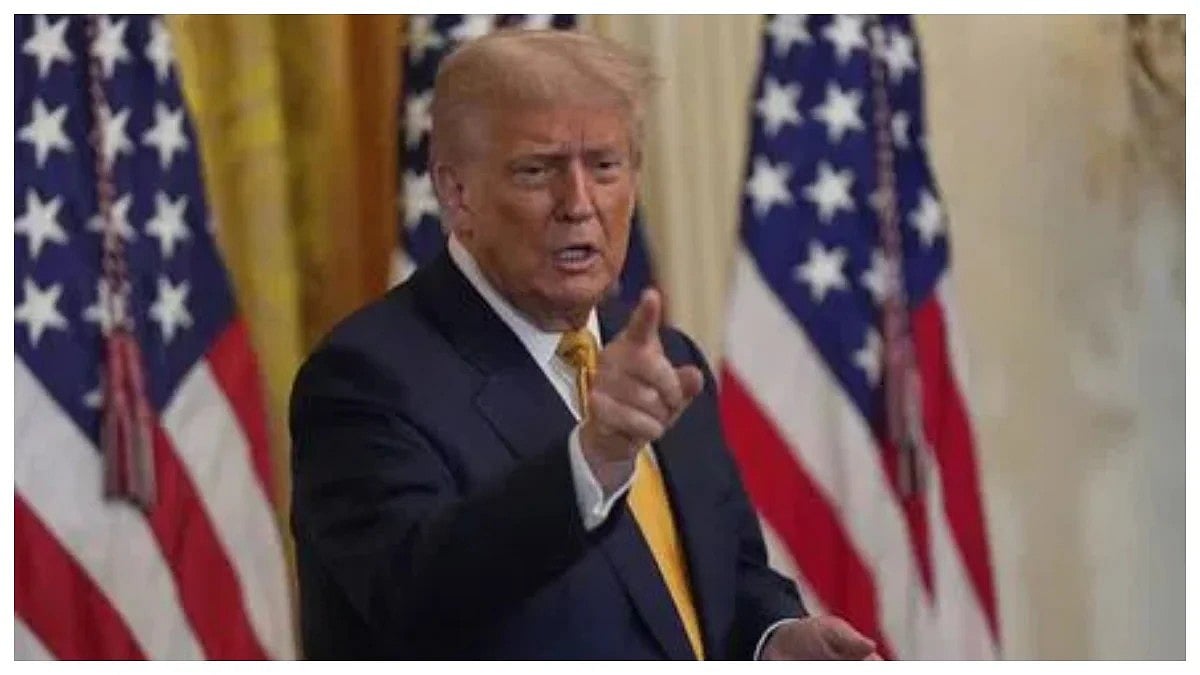
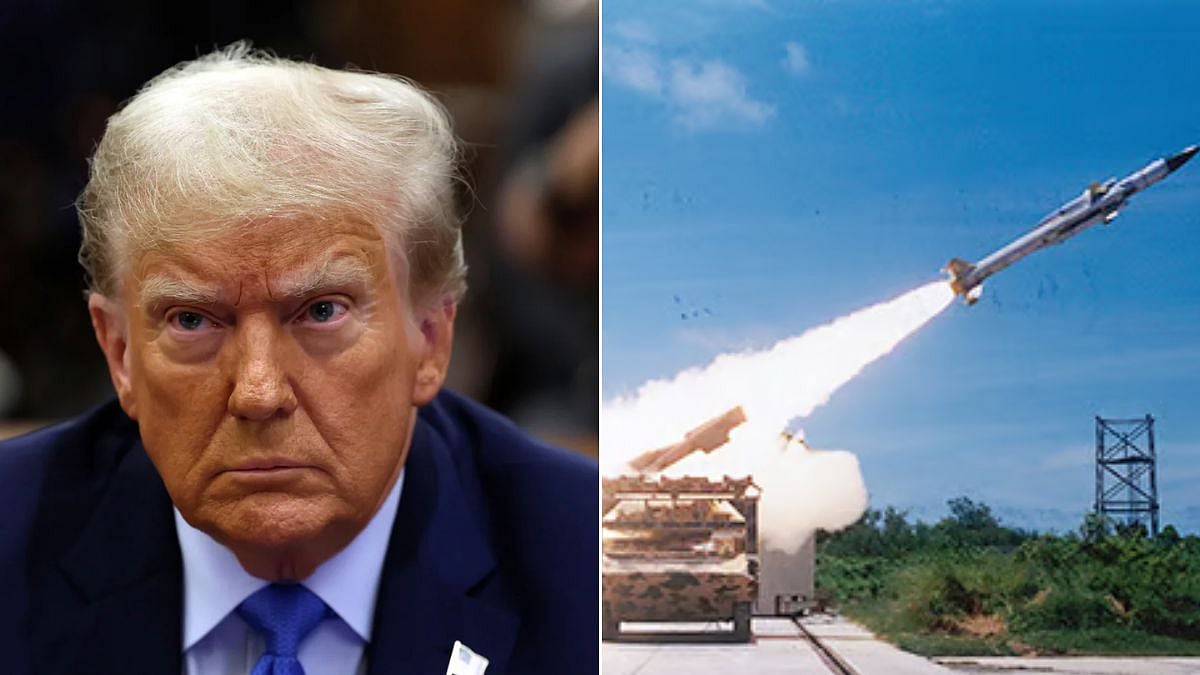
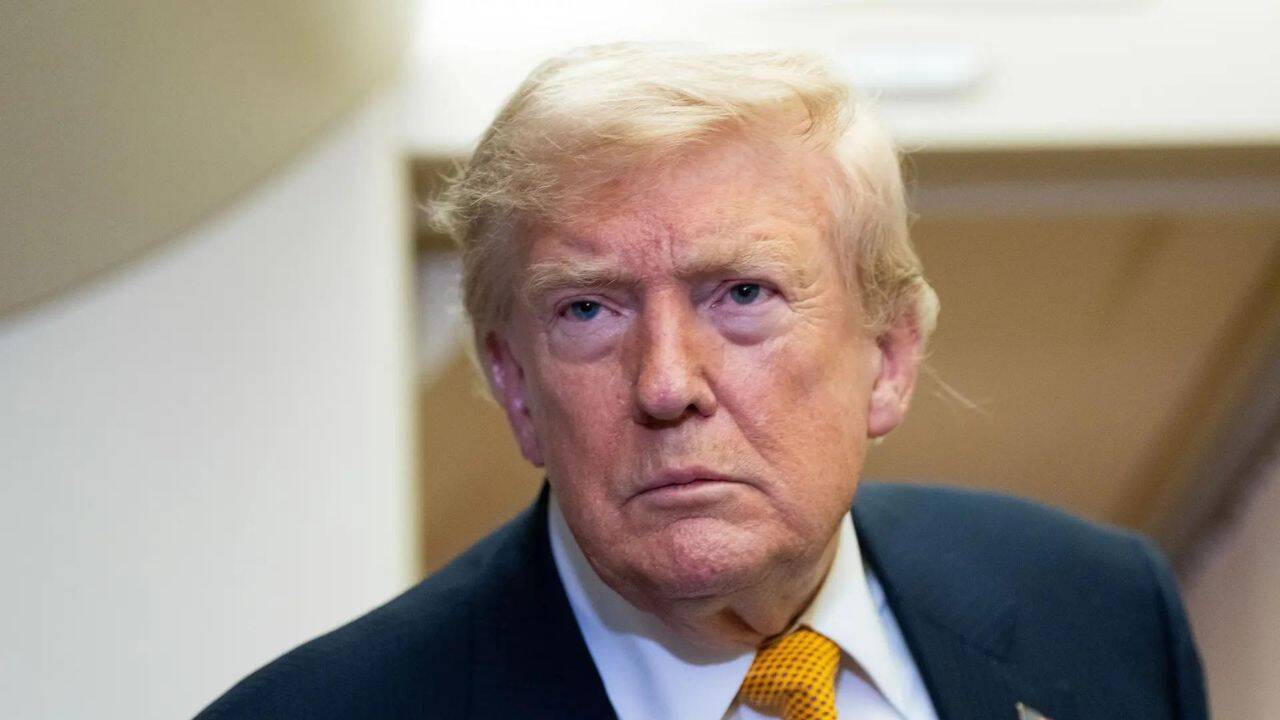
US President Donald Trump has stated that wealthy Gulf nations should reimburse the United States for protecting the region. He argued that Washington is bearing the cost of defending its allies despite no longer depending on Middle Eastern oil.
Trump made the statement while speaking to reporters at the White House. He emphasized that countries benefiting from US military operations should help finance those efforts. The President named Saudi Arabia, the United Arab Emirates, Qatar, Bahrain, and Kuwait as countries that benefit from American military protection.
The US President argued that his country is safeguarding key regional partners while maintaining security in the Gulf. He also mentioned that the United States is no longer dependent on energy supplies from the region. However, he stated that the US needs to protect its allies, including Israel, Saudi Arabia, Qatar, and the UAE.
Trump's comments came as he announced renewed military operations against Iran. He also stated that the United States would restore a blockade targeting Tehran. The blockade aims to prevent trade with Iran while allowing commercial shipping by other countries.
The President defended the months of military operations against Iran, claiming that they had dramatically weakened Tehran's armed forces. He stated that the US had knocked out Iran's Navy and air force and had degraded their missile and drone capabilities.
Trump reiterated that the administration's objective remains unchanged, which is to prevent Iran from having a nuclear weapon. The US President's demand for reimbursement from Gulf nations highlights the changing dynamics in the region and the US's shifting priorities.
The Gulf region is strategically important, and the US has maintained a significant military presence there for decades. However, with the US becoming increasingly self-sufficient in energy production, the country's dependence on Middle Eastern oil has decreased.
The demand for reimbursement from Gulf nations is likely to have significant implications for the region. It may lead to a re-evaluation of the relationships between the US and its allies in the region. The US's military presence in the Gulf has been a cornerstone of regional security, and any changes to this arrangement could have far-reaching consequences.
In conclusion, Trump's demand for reimbursement from Gulf nations reflects the evolving nature of the US's relationships with its allies in the region. As the global energy landscape continues to shift, the US is re-assessing its priorities and seeking to share the burden of regional security with its partners.
The situation in the Gulf region remains complex, with multiple players and interests at stake. The US's actions will likely be closely watched by its allies and adversaries alike, as the region continues to navigate the challenges of security, energy, and geopolitics.
The US President's comments have significant implications for Mumbai and India, as the country is a major player in the global energy market. India has significant economic and strategic interests in the Gulf region, and any changes to the regional security landscape could have an impact on the country's energy security and economic stability.
In the context of India's growing energy needs and its increasing dependence on imported oil, the developments in the Gulf region are being closely watched. The Indian government has been seeking to diversify its energy sources and reduce its dependence on Middle Eastern oil. However, the country still remains a major buyer of oil from the region, and any disruptions to supply could have significant implications for the Indian economy.
Overall, the US President's demand for reimbursement from Gulf nations is a significant development that reflects the changing dynamics in the region. As the global energy landscape continues to evolve, the US and its allies will need to navigate the complex web of relationships and interests in the Gulf region to ensure regional security and stability.