Pune Deploys GIS, Hydraulic Modelling For River Cleanup
Pune Municipal Corporation introduces digital technologies to reduce pollution and modernise wastewater management. Advanced tools will improve planning and maintenance of sewerage network.

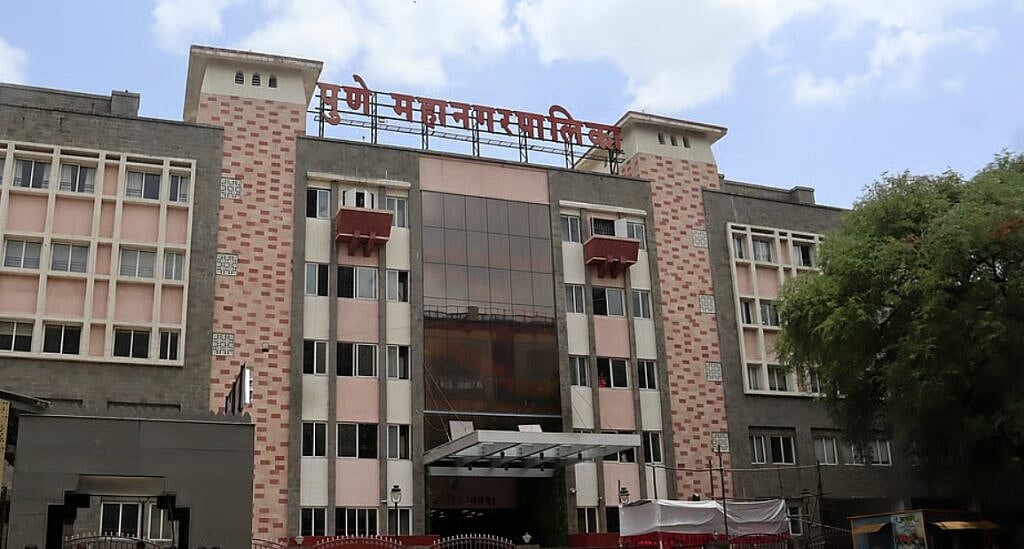
The Pune Municipal Corporation (PMC) has launched a major initiative to reduce pollution in the Mula-Mutha River by introducing advanced digital technologies.
The Pollution Abatement of River Mula-Mutha (PARMM) project aims to improve the water quality of the Mula and Mutha rivers by strengthening sewage collection, treatment and disposal infrastructure.
As part of this project, the PMC will implement a Geographic Information System (GIS) and hydraulic modelling tools to improve the planning, monitoring and maintenance of the city's sewerage network.
The GIS technology will create an integrated digital map of the city's sewage treatment plants, sewer lines, pumping stations, manholes, valves and other infrastructure assets.
This will provide a centralised database containing asset conditions, inspection history, maintenance records and operational status, enabling faster and more informed decision-making.
Historical data will also help officials predict potential failures and undertake preventive maintenance.
The hydraulic modelling software will enable engineers to create a digital simulation of the city's sewerage and water supply networks, allowing them to analyse pipeline stress, waterlogging risks, flood-prone locations, low-flow sections and the impact of future population growth and increased demand on the network.
Officials said the hydraulic analysis will help plan desilting, cleaning, repairs, rehabilitation and preventive maintenance well in advance, reducing the likelihood of unexpected failures, sewage overflows and emergency repairs.
The PMC will upgrade its ESRI ArcGIS Enterprise platform and procure Bentley's OpenFlows SewerGEMS and WaterGEMS hydraulic modelling software.
The upgraded system will include server upgrades, procurement of new software licences, a five-year maintenance contract and specialised training for engineers.
Once both packages are implemented, the PMC expects to establish a comprehensive GIS-based asset management system for the city's sewerage infrastructure, enabling more efficient use of manpower and resources while making wastewater management more sustainable and future-ready.
The introduction of these digital technologies is a significant step towards reducing pollution in the Mula-Mutha River and modernising the city's wastewater management system.
This initiative will have a positive impact on the environment and public health, and will help Pune become a more sustainable and livable city.
The use of advanced technologies such as GIS and hydraulic modelling will also make the city's wastewater management system more efficient and effective, reducing the risk of sewage overflows and environmental pollution.