Australian PM Albanese welcomes Modi for strategic state visit to Melbourne
Prime Minister Narendra Modi will visit Australia from July 8-10 for talks aimed at strengthening India-Australia ties in trade, defense, and technology. Australian PM Anthony Albanese called Modi his friend ahead of the visit.

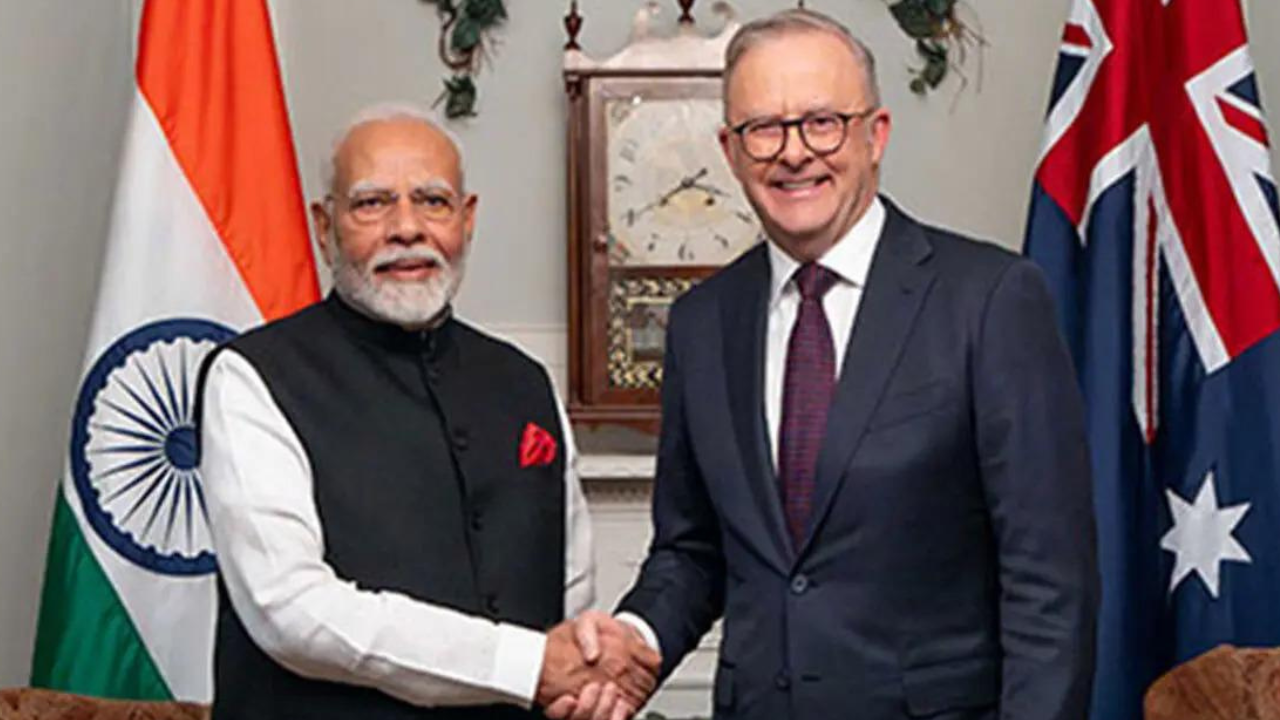
Australian Prime Minister Anthony Albanese has expressed enthusiasm about welcoming Indian Prime Minister Narendra Modi for a state visit to Melbourne scheduled for July 8-10, signalling deepening bilateral relations between the two nations.
Albanese described himself as honoured to host Modi, referring to the Indian leader as his friend. The visit forms part of Modi's broader three-nation tour and represents a continuation of high-level diplomatic engagement between New Delhi and Canberra. The Australian PM's remarks underscore the growing warmth in India-Australia relations and the strategic importance both nations place on their partnership in the Indo-Pacific region.
During Modi's stay in Melbourne, the two leaders are expected to hold comprehensive discussions centred on expanding cooperation across multiple critical sectors. Trade, defence, security, and technology have been identified as key focus areas for the talks. Both nations aim to leverage their shared democratic values and strategic interests to deepen their Comprehensive Strategic Partnership. The visit comes at a time when regional stability and economic cooperation in the Indo-Pacific are increasingly significant for both countries.
The discussions are likely to address broader Indo-Pacific challenges and opportunities, with both leaders keen to reinforce peace and prosperity in the region. Australia views its relationship with India as crucial for maintaining balance and stability in the region, particularly amid shifting geopolitical dynamics. Similarly, India sees Australia as a vital partner for advancing its strategic interests in the Indo-Pacific.
Modi's visit to Australia is expected to yield concrete outcomes in areas such as defence cooperation, trade expansion, technology collaboration, and people-to-people exchanges. The state visit demonstrates the high priority both governments assign to strengthening bilateral ties and working together on regional and global challenges.