Europe Fights Self-Cloning Crayfish
Europe battles invasive crayfish, Czech Republic targets outbreaks
'%3E%3Crect%20width%3D'96'%20height%3D'96'%20fill%3D'%23B3261E'%2F%3E%3Ccircle%20cx%3D'30'%20cy%3D'24'%20r%3D'44'%20fill%3D'%23fff'%20opacity%3D'.12'%2F%3E%3Ccircle%20cx%3D'60'%20cy%3D'74'%20r%3D'40'%20fill%3D'%23000'%20opacity%3D'.10'%2F%3E%3C%2Fg%3E%3Cg%20fill%3D'%23fff'%3E%3Crect%20x%3D'29'%20y%3D'49'%20width%3D'8'%20height%3D'19'%20rx%3D'1'%2F%3E%3Crect%20x%3D'39'%20y%3D'40'%20width%3D'9'%20height%3D'28'%20rx%3D'1'%2F%3E%3Crect%20x%3D'50'%20y%3D'45'%20width%3D'8'%20height%3D'23'%20rx%3D'1'%2F%3E%3Crect%20x%3D'60'%20y%3D'53'%20width%3D'7'%20height%3D'15'%20rx%3D'1'%2F%3E%3Crect%20x%3D'41'%20y%3D'34'%20width%3D'5'%20height%3D'6'%2F%3E%3C%2Fg%3E%3C%2Fsvg%3E)
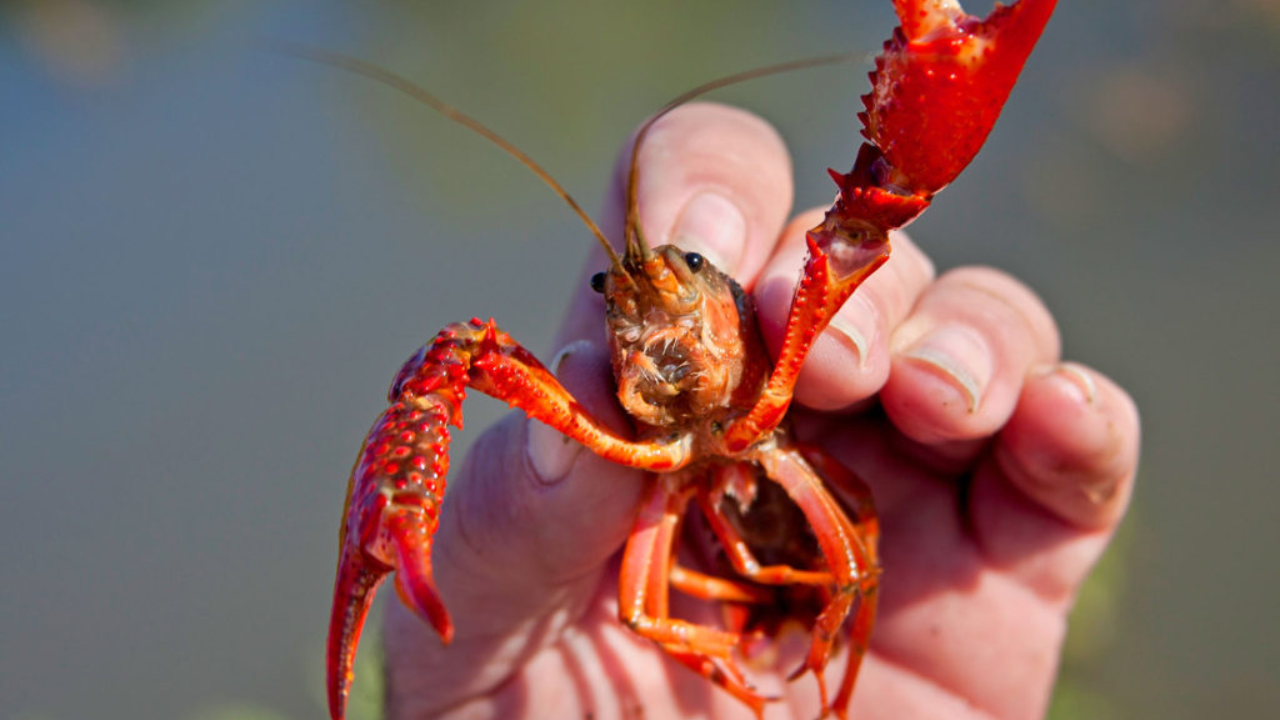
European conservationists have launched a campaign to eradicate new populations of marbled crayfish, known for their rapid reproduction and ability to carry deadly diseases. The initiative, funded by the European Union, aims to tackle the invasive species promptly and mitigate the risk of environmental and economic harm.
The marbled crayfish is a notorious invasive species that can reproduce rapidly, with a single female able to produce hundreds of offspring without mating. This ability to self-clone has allowed the species to spread quickly across Europe, posing a significant threat to native ecosystems.
The Czech Republic is one of the countries targeted in the campaign, with new outbreaks of the marbled crayfish reported in recent months. Conservationists are working to eradicate the species from the affected areas, using a combination of methods including manual removal and biological control.
The European Union has provided funding for the initiative, recognizing the importance of protecting native ecosystems from invasive species. The EU has also launched a number of other initiatives aimed at tackling the problem of invasive species, including the creation of a dedicated task force and the development of new technologies for detecting and eradicating invasive species.
The marbled crayfish is not only a threat to native ecosystems, but also poses a risk to human health. The species can carry a number of deadly diseases, including a fungus that can cause significant harm to humans. The economic impact of the marbled crayfish is also significant, with the species able to cause significant damage to crops and infrastructure.
Conservationists are urging the public to be vigilant and report any sightings of the marbled crayfish. The species can be identified by its distinctive marbled shell and can be found in a variety of freshwater habitats, including rivers, lakes, and ponds.
The campaign to eradicate the marbled crayfish is part of a wider effort to protect Europe's native ecosystems from invasive species. The initiative highlights the importance of swift action in tackling the problem of invasive species and the need for continued funding and support for conservation efforts.
In the long term, the eradication of the marbled crayfish will have a significant impact on the health of Europe's ecosystems and the economy. It will help to protect native species and prevent the spread of deadly diseases, ultimately benefiting both the environment and human health.
The European Union's initiative to tackle invasive species is a significant step forward in the fight against the marbled crayfish and other invasive species. It demonstrates the importance of international cooperation and funding in protecting native ecosystems and highlights the need for continued action to address the problem of invasive species.
Overall, the campaign to eradicate the marbled crayfish is an important step in the protection of Europe's native ecosystems and the prevention of environmental and economic harm. It highlights the need for swift action and continued funding and support for conservation efforts, and demonstrates the importance of international cooperation in tackling the problem of invasive species.
Frequently asked questions
What is the marbled crayfish and why is it a threat?
The marbled crayfish is an invasive species that can reproduce rapidly and carry deadly diseases, posing a significant threat to native ecosystems and human health.
How is the European Union addressing the problem of invasive species?
The EU has launched a number of initiatives, including a dedicated task force and the development of new technologies, to tackle the problem of invasive species and protect native ecosystems.