Great Barrier Reef Yields 500 New Bacteria
New study reveals 500 bacteria and 300,000 viruses in Great Barrier Reef waters
'%3E%3Crect%20width%3D'96'%20height%3D'96'%20fill%3D'%23B3261E'%2F%3E%3Ccircle%20cx%3D'30'%20cy%3D'24'%20r%3D'44'%20fill%3D'%23fff'%20opacity%3D'.12'%2F%3E%3Ccircle%20cx%3D'60'%20cy%3D'74'%20r%3D'40'%20fill%3D'%23000'%20opacity%3D'.10'%2F%3E%3C%2Fg%3E%3Cg%20fill%3D'%23fff'%3E%3Crect%20x%3D'29'%20y%3D'49'%20width%3D'8'%20height%3D'19'%20rx%3D'1'%2F%3E%3Crect%20x%3D'39'%20y%3D'40'%20width%3D'9'%20height%3D'28'%20rx%3D'1'%2F%3E%3Crect%20x%3D'50'%20y%3D'45'%20width%3D'8'%20height%3D'23'%20rx%3D'1'%2F%3E%3Crect%20x%3D'60'%20y%3D'53'%20width%3D'7'%20height%3D'15'%20rx%3D'1'%2F%3E%3Crect%20x%3D'41'%20y%3D'34'%20width%3D'5'%20height%3D'6'%2F%3E%3C%2Fg%3E%3C%2Fsvg%3E)
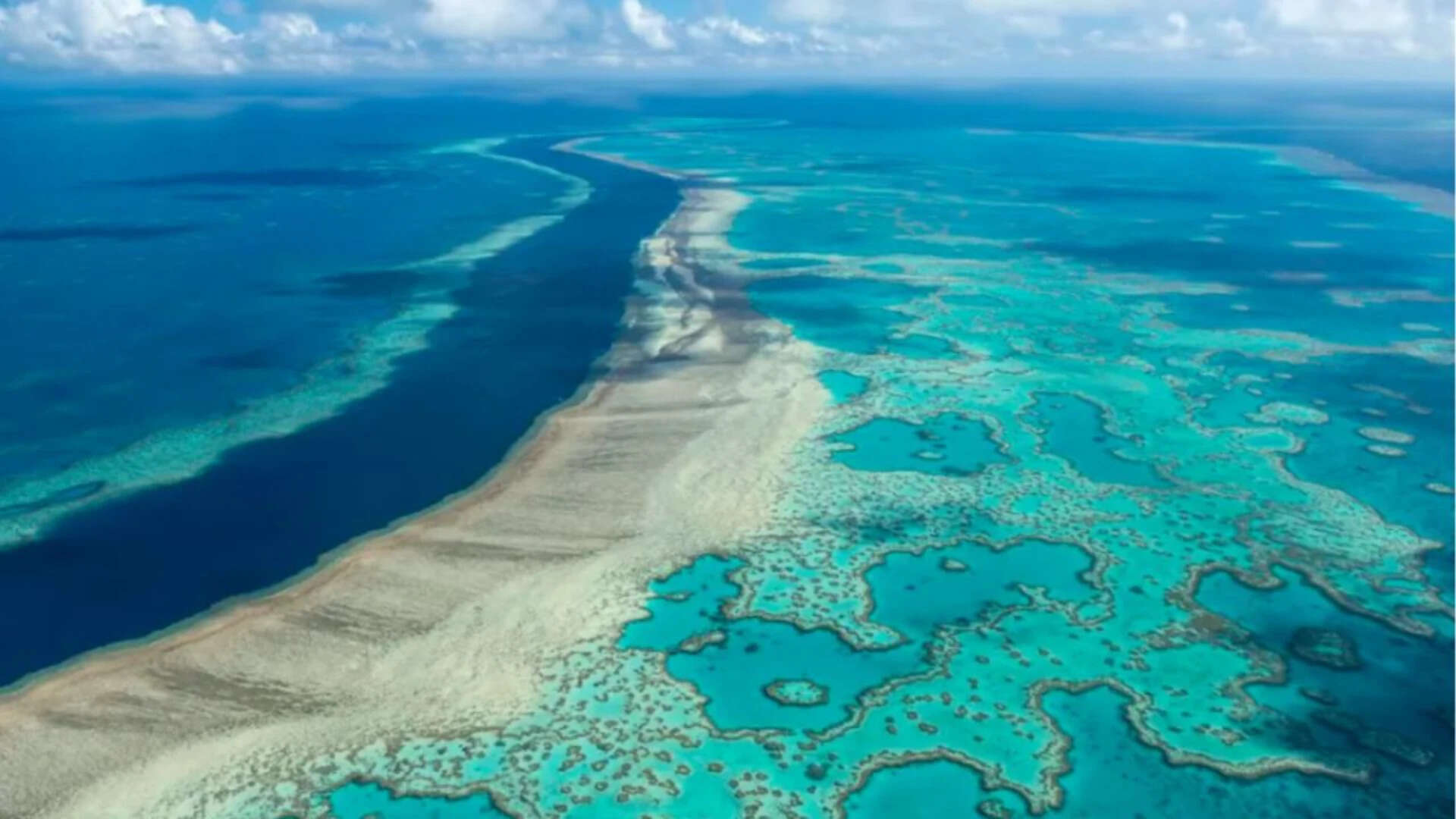
Scientists have made a groundbreaking discovery in the Great Barrier Reef, creating the first comprehensive map of the reef's open-water microbiome. By analysing DNA from 48 reefs, researchers identified 584 previously unknown bacterial species and more than 362,000 viruses. This breakthrough study provides a significant insight into the reef's ecosystem and could have major implications for monitoring reef health.
The Great Barrier Reef is one of the most biologically diverse ecosystems on the planet, and understanding its microbiome is crucial for conservation efforts. The study's findings suggest that the reef's microbiome is far more complex than previously thought, with a vast array of bacterial species and viruses playing a crucial role in the ecosystem.
The researchers behind the study believe that the database they have created could be used to monitor reef health and detect environmental changes before visible damage appears. This could be a game-changer for conservation efforts, allowing scientists to take proactive measures to protect the reef from threats such as climate change and pollution.
The Great Barrier Reef is facing numerous challenges, including rising sea temperatures, coral bleaching, and pollution. The reef's health has been declining in recent years, and conservation efforts are underway to protect it. The discovery of new bacterial species and viruses could provide new insights into the reef's ecosystem and help scientists develop more effective conservation strategies.
The study's findings have significant implications for our understanding of the reef's ecosystem and could lead to new discoveries about the complex relationships between different species in the reef. The researchers hope that their study will contribute to the development of more effective conservation efforts and help protect the Great Barrier Reef for future generations.
The discovery of new bacterial species and viruses in the Great Barrier Reef is a significant breakthrough, and the study's findings have the potential to make a major impact on conservation efforts. As scientists continue to study the reef's microbiome, they may uncover even more secrets about this complex and fascinating ecosystem.
In conclusion, the study of the Great Barrier Reef's open-water microbiome has revealed a vast array of new bacterial species and viruses, providing a significant insight into the reef's ecosystem. The discovery has major implications for conservation efforts and could help scientists develop more effective strategies to protect the reef from environmental threats.
The study's findings are a reminder of the importance of continued research and conservation efforts to protect the Great Barrier Reef and its inhabitants. As one of the most biologically diverse ecosystems on the planet, the reef plays a crucial role in the health of our oceans and the planet as a whole. By continuing to study and protect the reef, scientists can help ensure its survival for future generations.
The Great Barrier Reef is a precious resource, and its conservation is essential for the health of our planet. The discovery of new bacterial species and viruses is a significant step forward in our understanding of the reef's ecosystem, and it highlights the need for continued research and conservation efforts to protect this incredible ecosystem.
In the end, the study of the Great Barrier Reef's open-water microbiome is a significant breakthrough that could have major implications for conservation efforts. The discovery of new bacterial species and viruses provides a new insight into the reef's ecosystem and could help scientists develop more effective strategies to protect the reef from environmental threats.
Frequently asked questions
What is the significance of the Great Barrier Reef's microbiome?
The microbiome plays a crucial role in the reef's ecosystem and understanding it is essential for conservation efforts.
How can the database created by the study be used?
The database can be used to monitor reef health and detect environmental changes before visible damage appears.