Google Loses AI Researchers to Rivals
Top AI talent exits Google for Anthropic and OpenAI. What's behind the move?
'%3E%3Crect%20width%3D'96'%20height%3D'96'%20fill%3D'%230B6E4F'%2F%3E%3Ccircle%20cx%3D'30'%20cy%3D'24'%20r%3D'44'%20fill%3D'%23fff'%20opacity%3D'.12'%2F%3E%3Ccircle%20cx%3D'60'%20cy%3D'74'%20r%3D'40'%20fill%3D'%23000'%20opacity%3D'.10'%2F%3E%3C%2Fg%3E%3Cg%20fill%3D'none'%20stroke%3D'%23fff'%20stroke-width%3D'3.2'%20stroke-linecap%3D'round'%20stroke-linejoin%3D'round'%3E%3Cpolyline%20points%3D'31%2C59%2041%2C49%2049%2C54%2063%2C37'%2F%3E%3Cpolyline%20points%3D'55%2C37%2063%2C37%2063%2C45'%2F%3E%3C%2Fg%3E%3C%2Fsvg%3E)
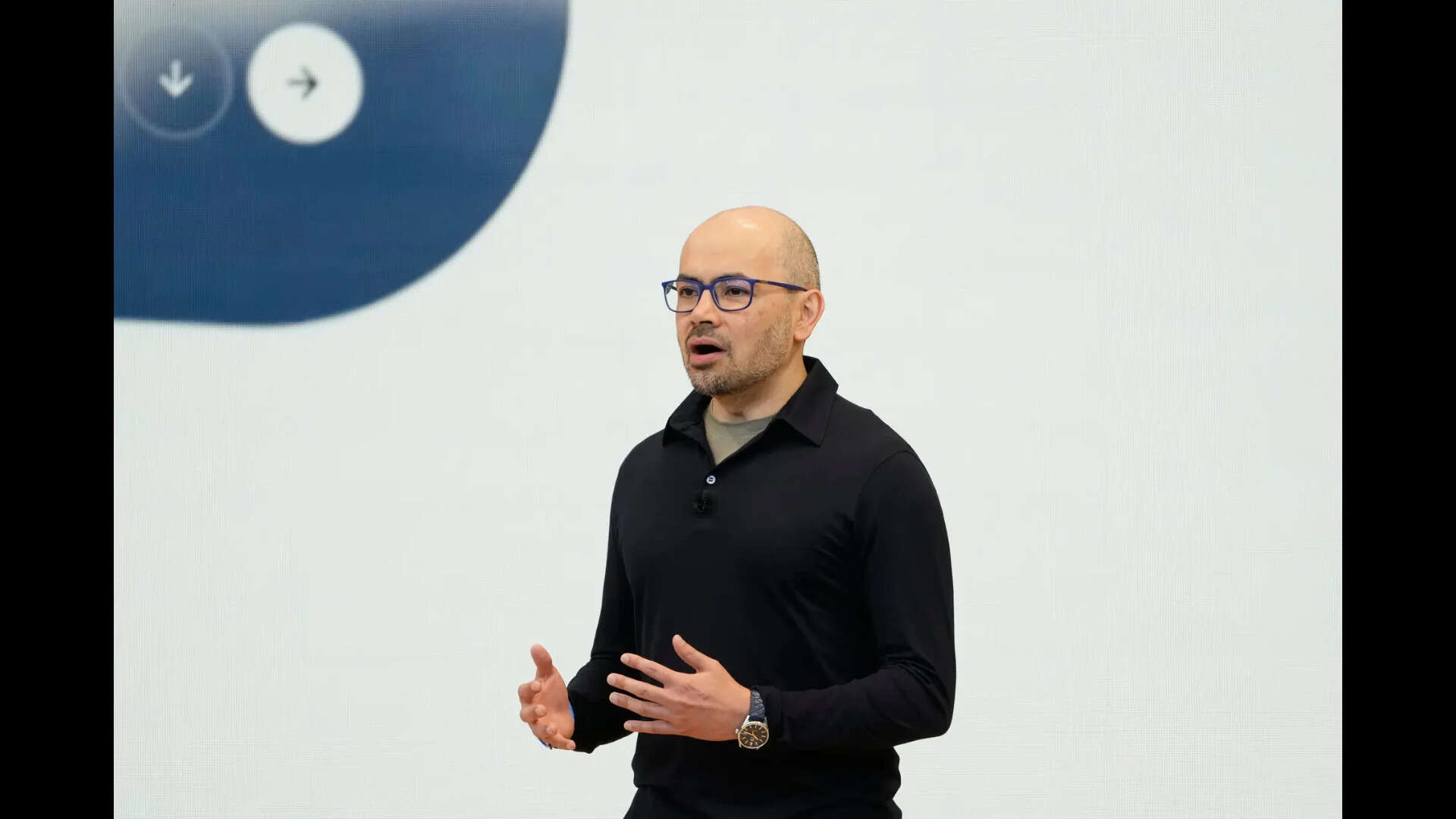
A significant brain drain is underway at Google DeepMind, with four senior AI researchers leaving the company in under two weeks. These researchers have joined rival companies Anthropic and OpenAI, marking a notable shift in the AI research landscape.
The researchers who have made the move include Nobel laureate John Jumper, who will be joining Anthropic. However, due to UK non-compete rules, Jumper won't be starting at his new role until next year. This highlights the impact of London's regulatory environment on the movement of top talent in the AI research field.
The UK's non-compete rules are enforceable, unlike in California, where such rules are often deemed unenforceable. This difference in regulatory approach is a key factor in the decision-making process of AI researchers considering a move. With the promise of pre-IPO equity and the shift of compute resources to Mountain View, Google's London research team is facing a quiet exodus of talent to the west.
Google DeepMind has been a hub for AI research in London, but the company is now facing stiff competition from rivals Anthropic and OpenAI. These companies are attracting top talent with promises of more flexible working arrangements and greater autonomy in research. The move of these researchers is a significant blow to Google's AI research ambitions, as it loses some of its most experienced and skilled team members.
The shift of AI researchers from Google to Anthropic and OpenAI is also reflective of the changing landscape of AI research. With the increasing importance of compute resources and the need for greater collaboration, researchers are looking for environments that can provide them with the necessary tools and flexibility to pursue their work. The move of these researchers to Anthropic and OpenAI highlights the growing competition in the AI research field and the need for companies to adapt to changing circumstances.
The brain drain at Google DeepMind is likely to have significant implications for the company's AI research efforts. With the loss of top talent, Google will need to reassess its research strategy and consider new ways to attract and retain skilled researchers. The company will also need to navigate the complexities of UK non-compete rules, which are likely to continue to play a role in the movement of AI researchers.
In the broader context, the move of AI researchers from Google to Anthropic and OpenAI reflects the global nature of the AI research field. Researchers are no longer tied to specific locations and are willing to move to pursue new opportunities and challenges. This trend is likely to continue, with AI researchers increasingly seeking out environments that can provide them with the necessary resources and flexibility to pursue their work.
The significance of this development cannot be overstated. The AI research field is highly competitive, and the loss of top talent can have significant implications for a company's research efforts. As the AI research landscape continues to evolve, companies will need to adapt to changing circumstances and find new ways to attract and retain skilled researchers. The move of AI researchers from Google to Anthropic and OpenAI is a significant development in this context, highlighting the need for companies to be flexible and responsive to the changing needs of their researchers.
In conclusion, the brain drain at Google DeepMind is a significant development in the AI research field. The move of top researchers to Anthropic and OpenAI reflects the changing landscape of AI research and the need for companies to adapt to new circumstances. As the AI research field continues to evolve, it will be important to watch how companies respond to these changes and navigate the complexities of the global research landscape.