New Zealand Releases Sparrows, Then Pays to Kill Them
New Zealand introduced sparrows to control insects, but they became pests.
'%3E%3Crect%20width%3D'96'%20height%3D'96'%20fill%3D'%23B3261E'%2F%3E%3Ccircle%20cx%3D'30'%20cy%3D'24'%20r%3D'44'%20fill%3D'%23fff'%20opacity%3D'.12'%2F%3E%3Ccircle%20cx%3D'60'%20cy%3D'74'%20r%3D'40'%20fill%3D'%23000'%20opacity%3D'.10'%2F%3E%3C%2Fg%3E%3Cg%20fill%3D'%23fff'%3E%3Crect%20x%3D'29'%20y%3D'49'%20width%3D'8'%20height%3D'19'%20rx%3D'1'%2F%3E%3Crect%20x%3D'39'%20y%3D'40'%20width%3D'9'%20height%3D'28'%20rx%3D'1'%2F%3E%3Crect%20x%3D'50'%20y%3D'45'%20width%3D'8'%20height%3D'23'%20rx%3D'1'%2F%3E%3Crect%20x%3D'60'%20y%3D'53'%20width%3D'7'%20height%3D'15'%20rx%3D'1'%2F%3E%3Crect%20x%3D'41'%20y%3D'34'%20width%3D'5'%20height%3D'6'%2F%3E%3C%2Fg%3E%3C%2Fsvg%3E)
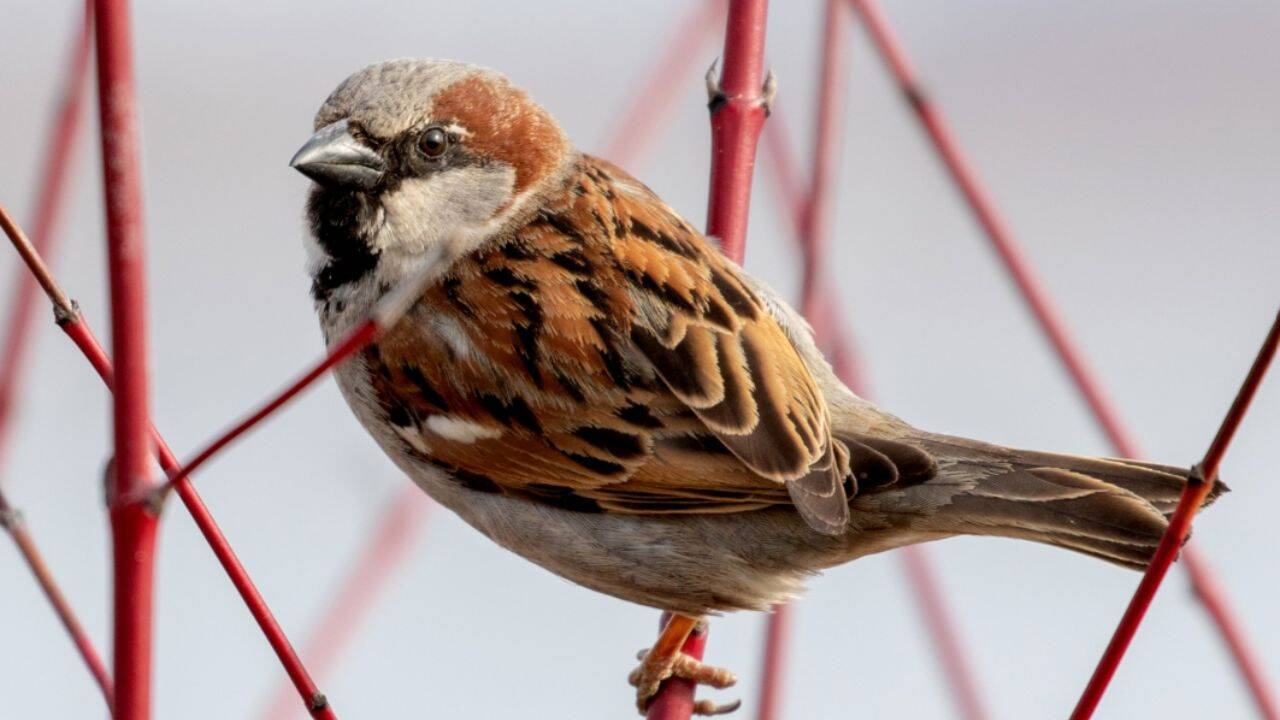
New Zealand introduced house sparrows in 1867 with the intention of helping farmers control crop-eating insects. However, the birds multiplied rapidly and soon became a problem themselves, feeding on grains and fruit and damaging wheat, barley, and maize crops.
The introduction of house sparrows was part of a wider effort to introduce European birds to New Zealand for both farming and sentimental reasons. At the time, it was believed that these birds would help to control insect populations and reduce damage to crops.
However, the house sparrows quickly became a nuisance, and their rapid rise led to organised efforts to control them. These efforts included the use of poisoned grain, shooting, and bounties for eggs and heads. The New Zealand government paid bounties to encourage the killing of the birds, in an attempt to mitigate the damage they were causing to crops.
The story of the house sparrows in New Zealand serves as a cautionary tale about the unintended consequences of introducing non-native species to an ecosystem. The introduction of these birds was intended to solve one problem, but it ultimately created another.
In hindsight, the introduction of house sparrows to New Zealand was a mistake. The birds were not effective at controlling insect populations, and they ended up causing significant damage to crops. The efforts to control them were costly and time-consuming, and they ultimately failed to eradicate the problem.
The experience of New Zealand with house sparrows highlights the importance of carefully considering the potential consequences of introducing non-native species to an ecosystem. It also underscores the need for effective management and control strategies to mitigate the damage caused by invasive species.
Today, the story of the house sparrows in New Zealand is remembered as a lesson in the importance of responsible environmental management. It serves as a reminder of the potential risks and unintended consequences of introducing non-native species to an ecosystem, and the need for careful planning and management to prevent similar problems in the future.
The introduction of house sparrows to New Zealand was a well-intentioned but ultimately flawed attempt to solve a problem. The consequences of this introduction were significant, and they highlight the importance of careful consideration and planning when introducing non-native species to an ecosystem.
In conclusion, the story of the house sparrows in New Zealand is a cautionary tale about the unintended consequences of introducing non-native species to an ecosystem. It highlights the importance of responsible environmental management and the need for careful planning and management to prevent similar problems in the future.
The experience of New Zealand with house sparrows has significant implications for environmental management and conservation efforts. It underscores the need for careful consideration and planning when introducing non-native species to an ecosystem, and the importance of effective management and control strategies to mitigate the damage caused by invasive species.
The story of the house sparrows in New Zealand is an important reminder of the potential risks and unintended consequences of introducing non-native species to an ecosystem. It serves as a lesson in the importance of responsible environmental management and the need for careful planning and management to prevent similar problems in the future.
Frequently asked questions
Why did New Zealand introduce house sparrows
New Zealand introduced house sparrows in 1867 to help farmers control crop-eating insects.
What happened to the house sparrows in New Zealand
The house sparrows multiplied quickly and became a problem, feeding on grains and fruit and damaging crops, leading to efforts to control them.