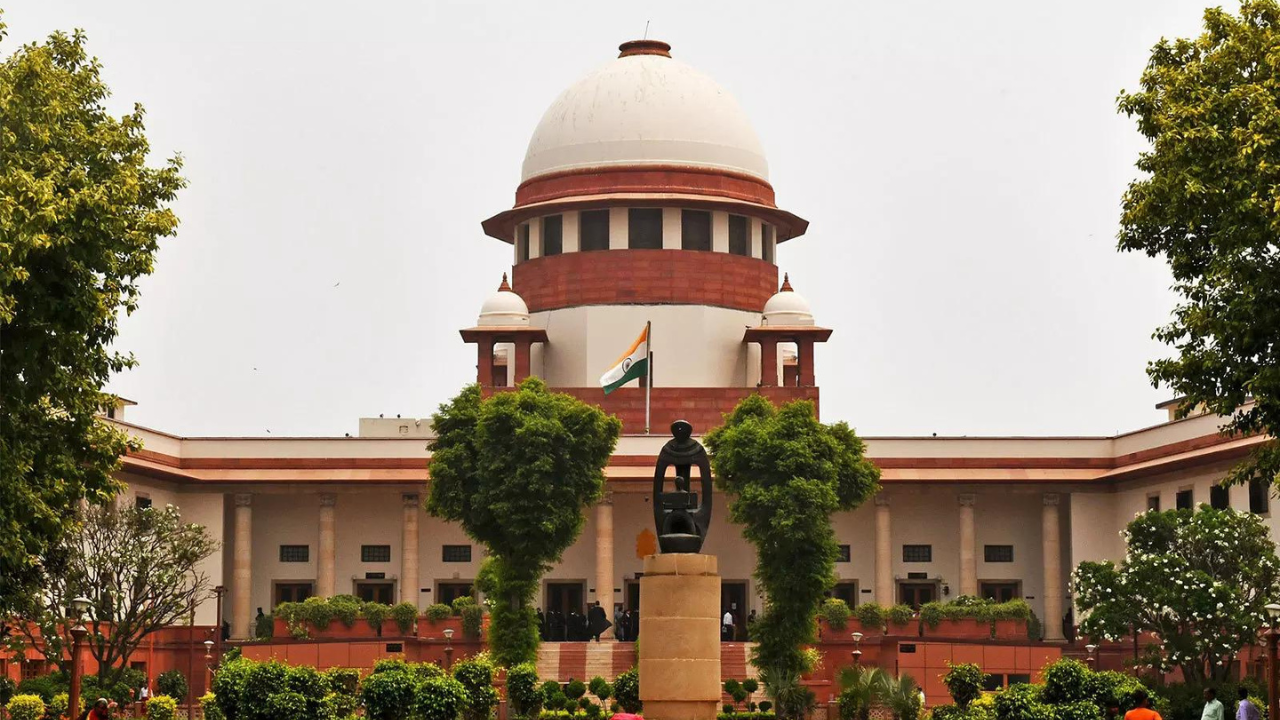
SC Seeks Centre's View on Banning Polygamy Among Muslims
SC seeks Centre's view, Polygamy ban debated, Muslim personal law
'%3E%3Crect%20width%3D'96'%20height%3D'96'%20fill%3D'%231A5276'%2F%3E%3Ccircle%20cx%3D'30'%20cy%3D'24'%20r%3D'44'%20fill%3D'%23fff'%20opacity%3D'.12'%2F%3E%3Ccircle%20cx%3D'60'%20cy%3D'74'%20r%3D'40'%20fill%3D'%23000'%20opacity%3D'.10'%2F%3E%3C%2Fg%3E%3Cg%20fill%3D'%23fff'%3E%3Cpath%20d%3D'M31%2041%20L48%2031%20L65%2041%20Z'%2F%3E%3Crect%20x%3D'33'%20y%3D'43'%20width%3D'4'%20height%3D'17'%2F%3E%3Crect%20x%3D'41'%20y%3D'43'%20width%3D'4'%20height%3D'17'%2F%3E%3Crect%20x%3D'51'%20y%3D'43'%20width%3D'4'%20height%3D'17'%2F%3E%3Crect%20x%3D'59'%20y%3D'43'%20width%3D'4'%20height%3D'17'%2F%3E%3Crect%20x%3D'30'%20y%3D'62'%20width%3D'36'%20height%3D'4'%20rx%3D'1'%2F%3E%3C%2Fg%3E%3C%2Fsvg%3E)
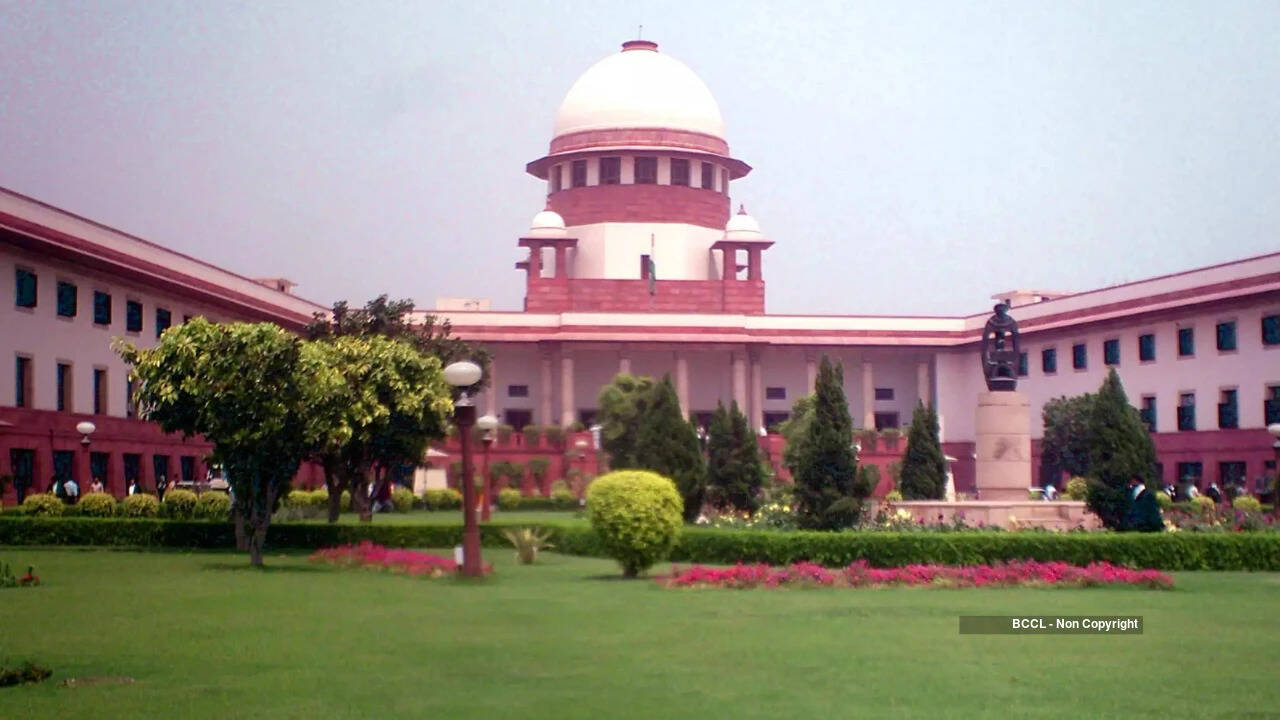
The Supreme Court has asked the Centre to provide its viewpoint on whether polygamy among Muslims should be banned. This move comes as the court is hearing a petition challenging the practice of polygamy and 'nikah halala' among Muslims.
The petition argues that these practices are unconstitutional and violate the fundamental rights of women. The court has given the Centre four weeks to respond to the petition and provide its stance on the issue.
Polygamy, or the practice of having multiple wives, is permitted under Muslim personal law. However, the petition argues that this practice is discriminatory and violates the rights of women. The petition also challenges the practice of 'nikah halala', which requires a woman to marry another man and then divorce him before she can remarry her previous husband.
The Supreme Court's decision to seek the Centre's viewpoint on this issue is significant, as it could have far-reaching implications for Muslim personal law in India. The court's ruling could potentially lead to a ban on polygamy among Muslims, which would be a major change to the community's personal law.
The issue of polygamy among Muslims has been debated for many years, with some arguing that it is a fundamental right of Muslims and others arguing that it is discriminatory and violates the rights of women. The Supreme Court's decision to hear this petition and seek the Centre's viewpoint is a significant development in this debate.
In recent years, there have been several cases where women have been forced into polygamous marriages or have been subjected to 'nikah halala'. These cases have highlighted the need for a review of Muslim personal law and the practices that are permitted under it.
The Centre's response to the petition will be crucial in determining the outcome of this case. If the Centre supports a ban on polygamy, it could lead to a significant change in Muslim personal law. However, if the Centre opposes a ban, it could lead to further debate and discussion on the issue.
The Supreme Court's decision to hear this petition and seek the Centre's viewpoint is a significant step towards addressing the issues faced by women in Muslim communities. It is hoped that the court's ruling will bring about a positive change and ensure that the rights of women are protected.
In conclusion, the Supreme Court's decision to seek the Centre's viewpoint on banning polygamy among Muslims is a significant development in the debate on Muslim personal law. The outcome of this case will be closely watched, as it could have far-reaching implications for the Muslim community in India.
Frequently asked questions
What is the current status of polygamy among Muslims in India?
Polygamy is currently permitted under Muslim personal law in India.
What is the practice of 'nikah halala'?
'Nikah halala' is a practice that requires a woman to marry another man and then divorce him before she can remarry her previous husband.