SC Questions UAPA Charge for Torching Police Station
Torching a police station, UAPA offence? SC asks.
'%3E%3Crect%20width%3D'96'%20height%3D'96'%20fill%3D'%231A5276'%2F%3E%3Ccircle%20cx%3D'30'%20cy%3D'24'%20r%3D'44'%20fill%3D'%23fff'%20opacity%3D'.12'%2F%3E%3Ccircle%20cx%3D'60'%20cy%3D'74'%20r%3D'40'%20fill%3D'%23000'%20opacity%3D'.10'%2F%3E%3C%2Fg%3E%3Cg%20fill%3D'%23fff'%3E%3Cpath%20d%3D'M31%2041%20L48%2031%20L65%2041%20Z'%2F%3E%3Crect%20x%3D'33'%20y%3D'43'%20width%3D'4'%20height%3D'17'%2F%3E%3Crect%20x%3D'41'%20y%3D'43'%20width%3D'4'%20height%3D'17'%2F%3E%3Crect%20x%3D'51'%20y%3D'43'%20width%3D'4'%20height%3D'17'%2F%3E%3Crect%20x%3D'59'%20y%3D'43'%20width%3D'4'%20height%3D'17'%2F%3E%3Crect%20x%3D'30'%20y%3D'62'%20width%3D'36'%20height%3D'4'%20rx%3D'1'%2F%3E%3C%2Fg%3E%3C%2Fsvg%3E)

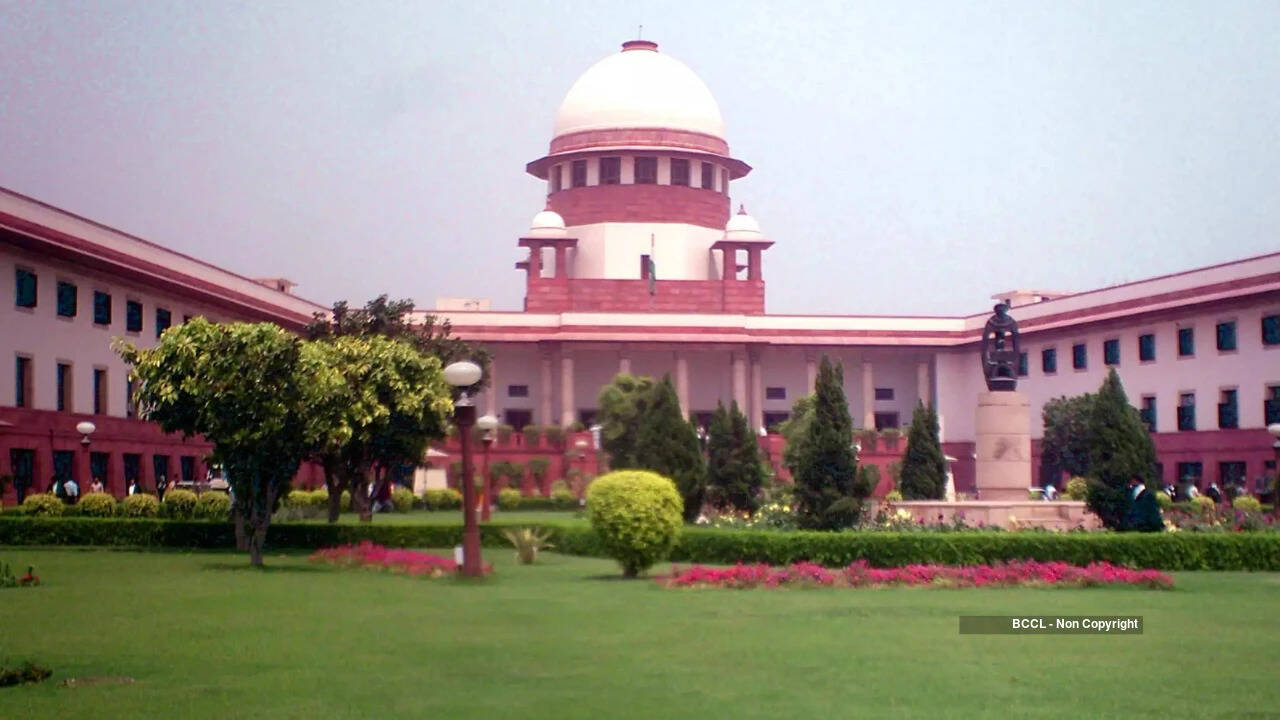
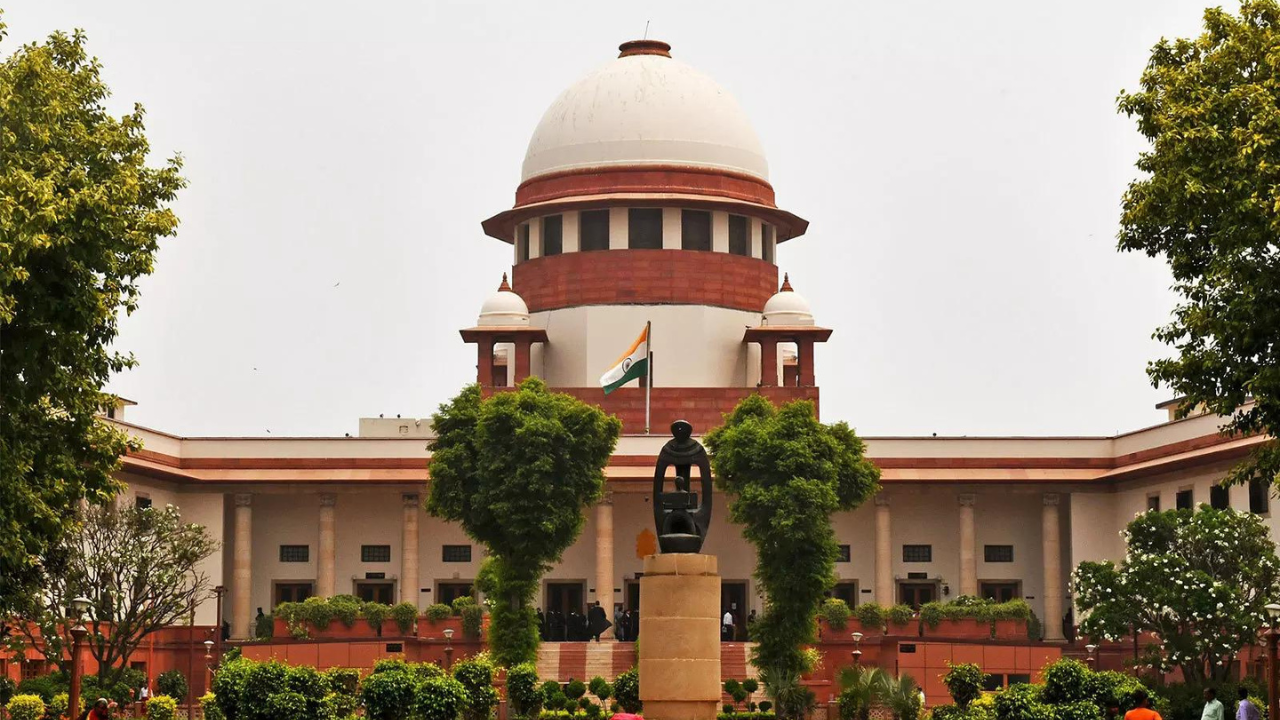
The Supreme Court has questioned how torching a police station can be considered an offence under the Unlawful Activities (Prevention) Act (UAPA).
The court's query comes in response to a petition challenging the charges against certain individuals accused of torching a police station.
The UAPA is a law that aims to prevent and punish unlawful activities, including terrorism. However, the court has raised concerns about the applicability of this law in cases where the accused are charged with torching a police station.
In this context, the court has asked the government to explain how such an act can be considered a UAPA offence. The government will have to provide a clear justification for charging the accused under this law.
The UAPA has been a subject of controversy in recent times, with many arguing that it is being misused to target certain individuals and groups. The law gives the government sweeping powers to arrest and detain individuals suspected of terrorism, and it has been criticized for its potential to be used as a tool for suppressing dissent.
The Supreme Court's decision to question the UAPA charge in this case is significant, as it highlights the need for careful consideration and justification when applying this law. The court's ruling will have important implications for the interpretation and application of the UAPA in similar cases.
The case has sparked a debate about the limits of the UAPA and the need for greater clarity and transparency in its application. As the court awaits the government's response, the accused and their lawyers will be watching closely to see how the case unfolds.
In recent years, there have been several instances where the UAPA has been used to charge individuals accused of various crimes, including terrorism and sedition. However, the law's broad provisions and potential for misuse have raised concerns among human rights activists and lawyers.
The Supreme Court's intervention in this case is a welcome step towards ensuring that the UAPA is applied in a fair and just manner. The court's decision will have far-reaching implications for the rule of law and the protection of individual rights in India.
The case is a reminder that the judiciary plays a crucial role in ensuring that laws are applied in a way that is consistent with the principles of justice and fairness. As the case progresses, it will be important to watch how the court's decision shapes the application of the UAPA in similar cases.
Frequently asked questions
What is the UAPA law?
The Unlawful Activities (Prevention) Act (UAPA) is a law that aims to prevent and punish unlawful activities, including terrorism.
Why is the SC questioning the UAPA charge?
The SC is questioning the UAPA charge because it is unclear how torching a police station can be considered a UAPA offence.