SC Limits BCI Writ to Lawyers Only
SC rules BCI writ does not apply to law students.
'%3E%3Crect%20width%3D'96'%20height%3D'96'%20fill%3D'%231A5276'%2F%3E%3Ccircle%20cx%3D'30'%20cy%3D'24'%20r%3D'44'%20fill%3D'%23fff'%20opacity%3D'.12'%2F%3E%3Ccircle%20cx%3D'60'%20cy%3D'74'%20r%3D'40'%20fill%3D'%23000'%20opacity%3D'.10'%2F%3E%3C%2Fg%3E%3Cg%20fill%3D'%23fff'%3E%3Cpath%20d%3D'M31%2041%20L48%2031%20L65%2041%20Z'%2F%3E%3Crect%20x%3D'33'%20y%3D'43'%20width%3D'4'%20height%3D'17'%2F%3E%3Crect%20x%3D'41'%20y%3D'43'%20width%3D'4'%20height%3D'17'%2F%3E%3Crect%20x%3D'51'%20y%3D'43'%20width%3D'4'%20height%3D'17'%2F%3E%3Crect%20x%3D'59'%20y%3D'43'%20width%3D'4'%20height%3D'17'%2F%3E%3Crect%20x%3D'30'%20y%3D'62'%20width%3D'36'%20height%3D'4'%20rx%3D'1'%2F%3E%3C%2Fg%3E%3C%2Fsvg%3E)
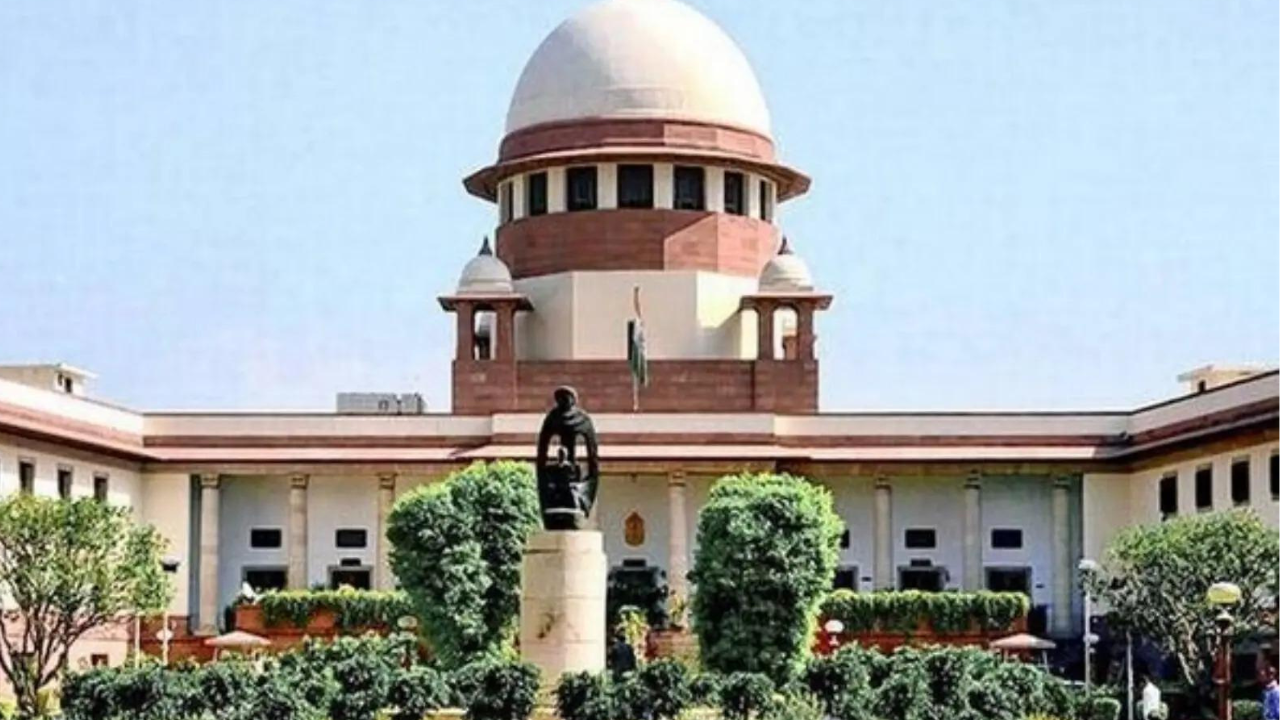
The Supreme Court has ruled that the Bar Council of India's (BCI) writ runs only over lawyers, not law students. This decision clarifies the jurisdiction of the BCI, which is the regulatory body for the legal profession in India.
The BCI is responsible for ensuring that lawyers adhere to the standards and norms of the profession. However, the question of whether the BCI's authority extends to law students has been a matter of debate. The Supreme Court's decision puts this issue to rest, making it clear that the BCI's writ is limited to lawyers who are enrolled with the Council.
This ruling is significant because it draws a clear distinction between lawyers and law students. Law students are still in the process of completing their education and training, and are not yet full-fledged members of the legal profession. The BCI's authority over lawyers is based on its role as a regulatory body, and it is responsible for ensuring that lawyers comply with the rules and regulations of the profession.
The Supreme Court's decision is likely to have implications for law students and lawyers alike. For law students, it means that they are not subject to the BCI's disciplinary authority, and are instead governed by the rules and regulations of their respective law schools. For lawyers, it means that they must continue to adhere to the standards and norms of the profession, and are subject to the BCI's disciplinary authority if they fail to do so.
The BCI was established under the Advocates Act, 1961, which governs the legal profession in India. The Council is responsible for ensuring that lawyers are qualified and competent to practice law, and for regulating the conduct of lawyers. The BCI also has the power to discipline lawyers who violate the rules and regulations of the profession.
In recent years, there have been several cases where law students have been involved in disciplinary proceedings before the BCI. However, the Supreme Court's decision makes it clear that the BCI does not have the authority to discipline law students. Instead, law students are subject to the disciplinary authority of their respective law schools.
The Supreme Court's ruling is a significant development in the regulation of the legal profession in India. It clarifies the jurisdiction of the BCI and ensures that lawyers are held to high standards of conduct and professionalism. At the same time, it recognizes the importance of protecting the rights and interests of law students, who are still in the process of completing their education and training.
In conclusion, the Supreme Court's decision limiting the BCI's writ to lawyers only is a significant development in the regulation of the legal profession in India. It clarifies the jurisdiction of the BCI and ensures that lawyers are held to high standards of conduct and professionalism, while also protecting the rights and interests of law students.
The implications of this ruling are far-reaching, and are likely to have a significant impact on the legal profession in India. It is a reminder that the regulation of the legal profession is an ongoing process, and that the courts and regulatory bodies must continue to work together to ensure that lawyers are held to high standards of conduct and professionalism.
Overall, the Supreme Court's decision is a positive development for the legal profession in India, and is likely to contribute to the growth and development of the profession in the years to come.
The decision is also a testament to the importance of the judiciary in ensuring that the rights and interests of all individuals are protected. The Supreme Court's ruling is a reminder that the judiciary plays a critical role in regulating the legal profession, and in ensuring that lawyers are held to high standards of conduct and professionalism.
In the end, the Supreme Court's decision limiting the BCI's writ to lawyers only is a significant development that is likely to have far-reaching implications for the legal profession in India. It is a reminder that the regulation of the legal profession is an ongoing process, and that the courts and regulatory bodies must continue to work together to ensure that lawyers are held to high standards of conduct and professionalism.
Frequently asked questions
What is the Bar Council of India's authority over law students?
The BCI has no authority over law students, according to the Supreme Court's decision.
What is the significance of the Supreme Court's ruling on the BCI's writ?
The ruling clarifies the jurisdiction of the BCI and ensures that lawyers are held to high standards of conduct and professionalism, while protecting the rights and interests of law students.