US Restores 270-Acre Skagit Estuary
Restoration underway, islands reconnected, wildlife to benefit
'%3E%3Crect%20width%3D'96'%20height%3D'96'%20fill%3D'%231B5E20'%2F%3E%3Ccircle%20cx%3D'30'%20cy%3D'24'%20r%3D'44'%20fill%3D'%23fff'%20opacity%3D'.12'%2F%3E%3Ccircle%20cx%3D'60'%20cy%3D'74'%20r%3D'40'%20fill%3D'%23000'%20opacity%3D'.10'%2F%3E%3C%2Fg%3E%3Cg%3E%3Ccircle%20cx%3D'48'%20cy%3D'48'%20r%3D'15'%20fill%3D'%23fff'%2F%3E%3Cpath%20d%3D'M43%2034%20Q50%2048%2043%2062'%20fill%3D'none'%20stroke%3D'%238a94a6'%20stroke-width%3D'2.4'%2F%3E%3Cpath%20d%3D'M47%2033%20Q54%2048%2047%2063'%20fill%3D'none'%20stroke%3D'%238a94a6'%20stroke-width%3D'1.8'%20stroke-dasharray%3D'1.5%203'%2F%3E%3C%2Fg%3E%3C%2Fsvg%3E)
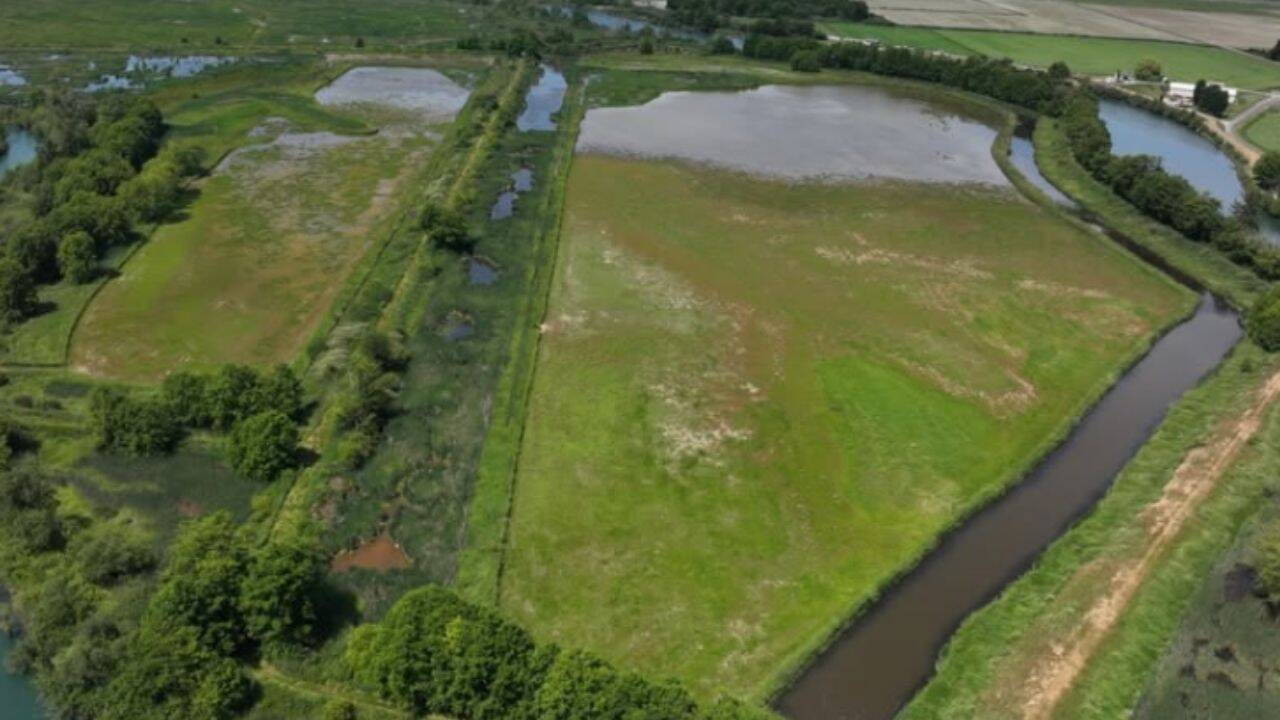
A major environmental restoration project is underway in the US, focusing on the South Fork Skagit River. The project, which began in June 2026 and is expected to be completed by fall 2028, aims to restore 270 acres of estuary habitat.
The primary goal of this initiative is to enhance the habitat for the endangered Puget Sound Chinook salmon. By reconnecting two islands to tidal flows, the project will help ensure a sustainable ecosystem.
The restoration process involves reestablishing the natural connection between the islands and the tidal flows of the Skagit River. This will not only benefit the Chinook salmon but also support various other wildlife, including waterfowl and shorebirds.
The South Fork Skagit River is a vital part of the Skagit estuary, which provides a habitat for numerous species of plants and animals. The restoration of this area will have a positive impact on the overall ecosystem, promoting biodiversity and ecological balance.
The project's focus on reconnection is crucial, as it will allow the natural tidal flows to nourish the estuary, supporting the growth of plants and animals. This, in turn, will help to maintain the health of the ecosystem and ensure the long-term sustainability of the species that depend on it.
The restoration of the Skagit estuary is a significant step towards preserving the environment and protecting endangered species. The project's success will depend on the collaboration of various stakeholders, including government agencies, conservation organizations, and local communities.
The expected completion of the project by fall 2028 will mark a major milestone in the conservation efforts of the Puget Sound Chinook salmon and the Skagit estuary ecosystem.
The project's impact will be closely monitored, and the lessons learned will be applied to future conservation efforts. The restoration of the Skagit estuary serves as a model for environmental conservation and highlights the importance of preserving natural habitats for future generations.
In conclusion, the restoration of the 270-acre Skagit estuary is a significant environmental effort that will have a positive impact on the ecosystem and the species that depend on it. The project's focus on reconnection and sustainability will help ensure the long-term health of the estuary and the conservation of the endangered Puget Sound Chinook salmon.
Frequently asked questions
What is the purpose of the Skagit estuary restoration project?
The project aims to restore 270 acres of estuary habitat and enhance the ecosystem for the endangered Puget Sound Chinook salmon.
When is the Skagit estuary restoration project expected to be completed?
The project is expected to be completed by fall 2028.