Camels Die As Desert Temperatures Reach 50°C
Rising heat kills camels, herders worried. Desert temperatures soar above 50°C.
'%3E%3Crect%20width%3D'96'%20height%3D'96'%20fill%3D'%23B3261E'%2F%3E%3Ccircle%20cx%3D'30'%20cy%3D'24'%20r%3D'44'%20fill%3D'%23fff'%20opacity%3D'.12'%2F%3E%3Ccircle%20cx%3D'60'%20cy%3D'74'%20r%3D'40'%20fill%3D'%23000'%20opacity%3D'.10'%2F%3E%3C%2Fg%3E%3Cg%20fill%3D'%23fff'%3E%3Crect%20x%3D'29'%20y%3D'49'%20width%3D'8'%20height%3D'19'%20rx%3D'1'%2F%3E%3Crect%20x%3D'39'%20y%3D'40'%20width%3D'9'%20height%3D'28'%20rx%3D'1'%2F%3E%3Crect%20x%3D'50'%20y%3D'45'%20width%3D'8'%20height%3D'23'%20rx%3D'1'%2F%3E%3Crect%20x%3D'60'%20y%3D'53'%20width%3D'7'%20height%3D'15'%20rx%3D'1'%2F%3E%3Crect%20x%3D'41'%20y%3D'34'%20width%3D'5'%20height%3D'6'%2F%3E%3C%2Fg%3E%3C%2Fsvg%3E)
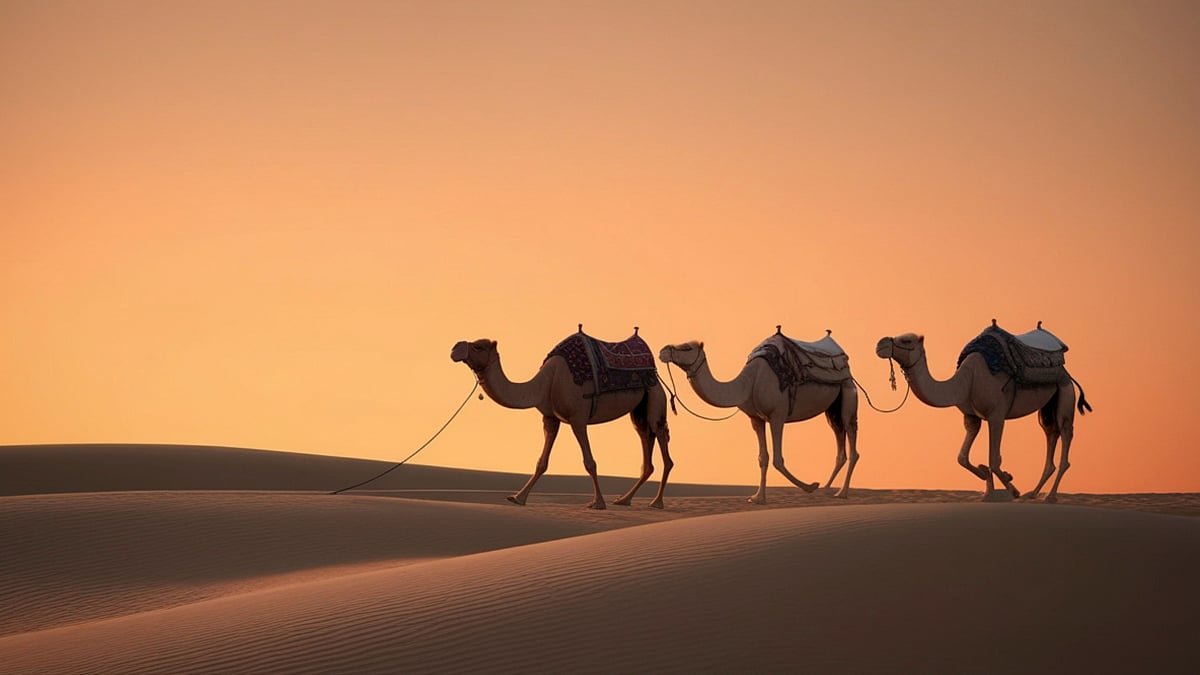
Camels, known for their ability to endure harsh desert conditions, are struggling to cope with rising temperatures. Across parts of Africa and the Middle East, temperatures above 50°C are becoming increasingly common, pushing camels beyond their natural limits.
According to experts, camels can comfortably tolerate temperatures of around 40°C, thanks to their thick coats and efficient body temperature regulation. However, as deserts become even hotter, these natural adaptations are proving less effective. Camels are showing signs of dehydration, exhaustion, and increased vulnerability to illness.
The impact of rising temperatures on camels extends beyond wildlife. For many communities across northern Africa and the Horn of Africa, camels are essential for transporting goods, including salt, across vast desert landscapes. Many families had already shifted from cattle to camels because they were considered more resilient during droughts, but worsening climate conditions are now putting that advantage at risk.
Ali Umer, a camel herder from northeastern Ethiopia, has witnessed the devastating effects of extreme heat on his animals. He has lost eight camel calves in one month due to the intense heat, which has caused blisters on their feet, watery eyes, and burned skin.
The changing climate is becoming impossible to ignore for camel owners. As temperatures continue to rise, many animals are struggling to survive. The UN Food and Agriculture Organization has warned that camels can experience heat stress when temperatures rise beyond their comfort range.
The situation is dire, with camel deaths surging across Africa as heat stress exceeds animals' tolerance. The future of these resilient creatures, which have long been the backbone of desert life, is uncertain.
The effects of climate change on camels are a stark reminder of the need for urgent action to address the crisis. As the world continues to warm, it is essential that we take steps to protect these incredible animals and the communities that depend on them.
In conclusion, the rising temperatures in the desert are having a devastating impact on camels, pushing them beyond their natural limits and threatening their survival. It is crucial that we take immediate action to address the climate crisis and protect these incredible creatures.
The consequences of inaction will be severe, not just for camels but for the communities that rely on them. It is time for us to take responsibility for our actions and work towards a more sustainable future.
The story of camels struggling to cope with rising temperatures is a wake-up call for all of us. We must take action to reduce our carbon footprint and mitigate the effects of climate change. The future of these incredible animals and the communities that depend on them depends on it.
As the world continues to warm, it is essential that we prioritize the protection of camels and other vulnerable species. We must work together to address the climate crisis and ensure a sustainable future for all.
In the end, the fate of camels and the communities that rely on them will depend on our ability to take action and address the climate crisis. We must act now to protect these incredible animals and the ecosystems they inhabit.
The clock is ticking, and it is time for us to take responsibility for our actions. We must work towards a more sustainable future, one that prioritizes the protection of camels and other vulnerable species. The future of our planet depends on it.
Frequently asked questions
What is the main reason for camel deaths in Africa?
The main reason for camel deaths in Africa is extreme heat due to climate change.
How are rising temperatures affecting camels?
Rising temperatures are causing camels to experience heat stress, dehydration, and exhaustion, making them more vulnerable to illness.