Canada Sinks Warship, 170 Marine Species Thrive
A retired Canadian warship becomes home to 170 marine species. The ship was sunk off British Columbia in 2015.
'%3E%3Crect%20width%3D'96'%20height%3D'96'%20fill%3D'%23B3261E'%2F%3E%3Ccircle%20cx%3D'30'%20cy%3D'24'%20r%3D'44'%20fill%3D'%23fff'%20opacity%3D'.12'%2F%3E%3Ccircle%20cx%3D'60'%20cy%3D'74'%20r%3D'40'%20fill%3D'%23000'%20opacity%3D'.10'%2F%3E%3C%2Fg%3E%3Cg%20fill%3D'%23fff'%3E%3Crect%20x%3D'29'%20y%3D'49'%20width%3D'8'%20height%3D'19'%20rx%3D'1'%2F%3E%3Crect%20x%3D'39'%20y%3D'40'%20width%3D'9'%20height%3D'28'%20rx%3D'1'%2F%3E%3Crect%20x%3D'50'%20y%3D'45'%20width%3D'8'%20height%3D'23'%20rx%3D'1'%2F%3E%3Crect%20x%3D'60'%20y%3D'53'%20width%3D'7'%20height%3D'15'%20rx%3D'1'%2F%3E%3Crect%20x%3D'41'%20y%3D'34'%20width%3D'5'%20height%3D'6'%2F%3E%3C%2Fg%3E%3C%2Fsvg%3E)
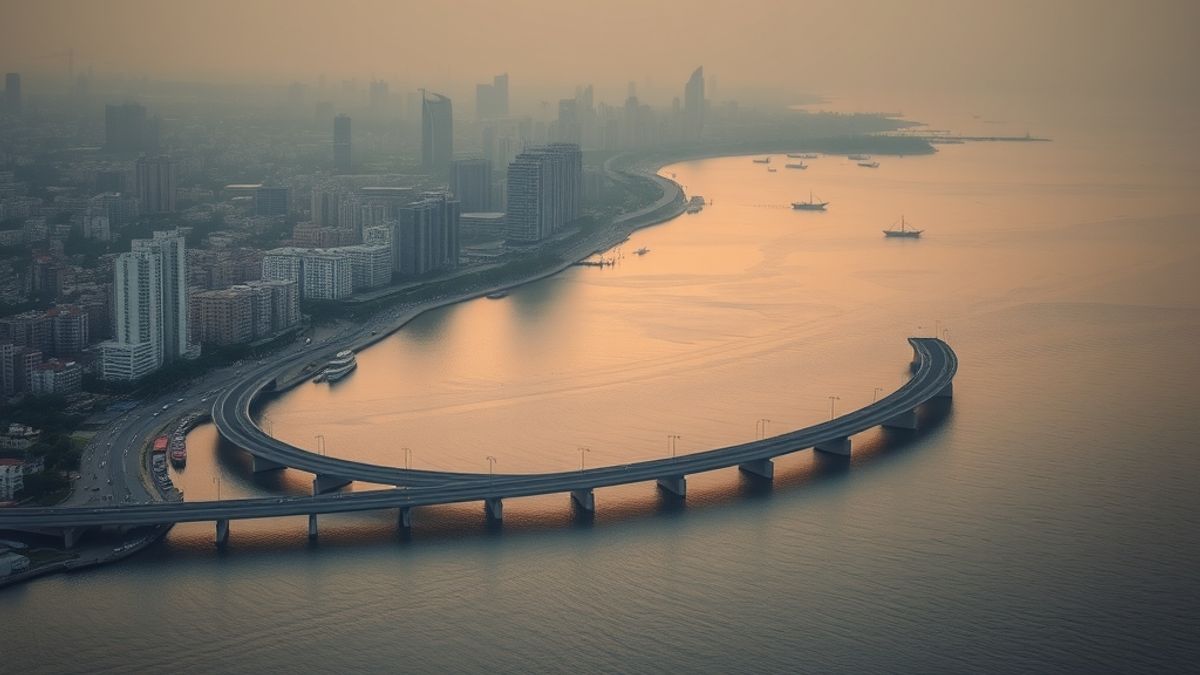
A former Canadian warship, HMCS Annapolis, was deliberately sunk off the coast of British Columbia in 2015 to create an artificial reef. This project has yielded remarkable results, with over 170 marine species colonizing the sunken ship in just five years.
The HMCS Annapolis, a retired warship, was carefully prepared and sunk in a controlled environment to minimize any potential harm to the surrounding ecosystem. The goal of this project was to create a thriving artificial reef that would provide a habitat for various marine organisms.
Over time, the sunken ship has become a vibrant ecosystem, supporting a wide range of marine life. The artificial reef has attracted a diverse array of species, including fish, invertebrates, and microorganisms. This project demonstrates the ecological value of prepared underwater structures and highlights the potential for artificial reefs to support biodiversity.
The creation of artificial reefs like the HMCS Annapolis can have numerous benefits for the environment. These structures can provide habitat for endangered species, support commercial fisheries, and even help to mitigate the effects of climate change. By creating artificial reefs, we can help to promote biodiversity and support the health of our oceans.
The success of the HMCS Annapolis project has significant implications for the future of artificial reef creation. It shows that with careful planning and execution, these structures can become thriving ecosystems that support a wide range of marine life. As the world's oceans continue to face numerous threats, projects like this one can help to promote sustainability and conservation.
The HMCS Annapolis artificial reef is a testament to the power of human ingenuity and the importance of preserving our oceans. By creating artificial reefs, we can help to support biodiversity, promote sustainability, and ensure the long-term health of our planet's ecosystems.
In conclusion, the sinking of the HMCS Annapolis has resulted in the creation of a thriving artificial reef, supporting over 170 marine species. This project highlights the potential for artificial reefs to support biodiversity and promote sustainability, and serves as a model for future conservation efforts.
The success of this project has far-reaching implications for the environment and our understanding of the importance of preserving our oceans. As we continue to face the challenges of climate change and biodiversity loss, projects like the HMCS Annapolis artificial reef can help to inspire new solutions and promote a more sustainable future.
The creation of artificial reefs like the HMCS Annapolis is a significant step towards promoting ocean conservation and sustainability. By supporting biodiversity and providing habitat for endangered species, these structures can help to ensure the long-term health of our planet's ecosystems.
Frequently asked questions
What is the purpose of creating an artificial reef?
The purpose of creating an artificial reef is to provide a habitat for various marine organisms and support biodiversity.
How many marine species have colonized the HMCS Annapolis?
Over 170 marine species have colonized the sunken ship in just five years.