US Carries Out 10th Night of Strikes Against Iran
US strikes Iran, targets US allies, oil prices rise
'%3E%3Crect%20width%3D'96'%20height%3D'96'%20fill%3D'%234A235A'%2F%3E%3Ccircle%20cx%3D'30'%20cy%3D'24'%20r%3D'44'%20fill%3D'%23fff'%20opacity%3D'.12'%2F%3E%3Ccircle%20cx%3D'60'%20cy%3D'74'%20r%3D'40'%20fill%3D'%23000'%20opacity%3D'.10'%2F%3E%3C%2Fg%3E%3Cg%20fill%3D'none'%20stroke%3D'%23fff'%20stroke-width%3D'3'%3E%3Ccircle%20cx%3D'48'%20cy%3D'48'%20r%3D'16'%2F%3E%3Cellipse%20cx%3D'48'%20cy%3D'48'%20rx%3D'6.5'%20ry%3D'16'%2F%3E%3Cline%20x1%3D'32'%20y1%3D'42'%20x2%3D'64'%20y2%3D'42'%2F%3E%3Cline%20x1%3D'32'%20y1%3D'54'%20x2%3D'64'%20y2%3D'54'%2F%3E%3C%2Fg%3E%3C%2Fsvg%3E)
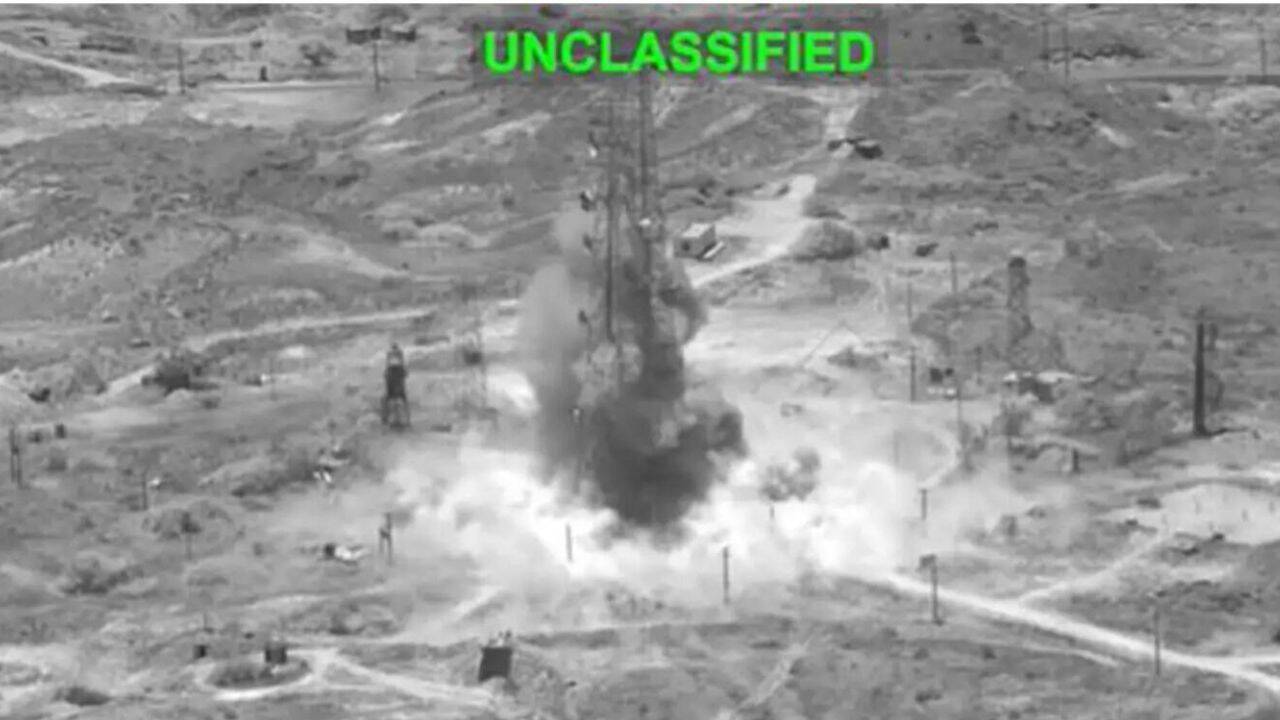
The United States has conducted its tenth consecutive night of strikes against Iran, aiming to reopen the Strait of Hormuz after recent attacks. The operations are part of a broader effort to restore stability in the region and ensure the safe passage of oil tankers.
In response to the US strikes, Iran has targeted US allies in the region, including Kuwait, Jordan, and Bahrain, with missile barrages. The attacks have raised concerns about the escalating conflict and its potential impact on global energy supplies.
Diplomatic efforts to resolve the crisis are ongoing, despite the collapse of an interim ceasefire agreement. The US and its allies are working to find a peaceful solution to the conflict, while also taking steps to protect their interests in the region.
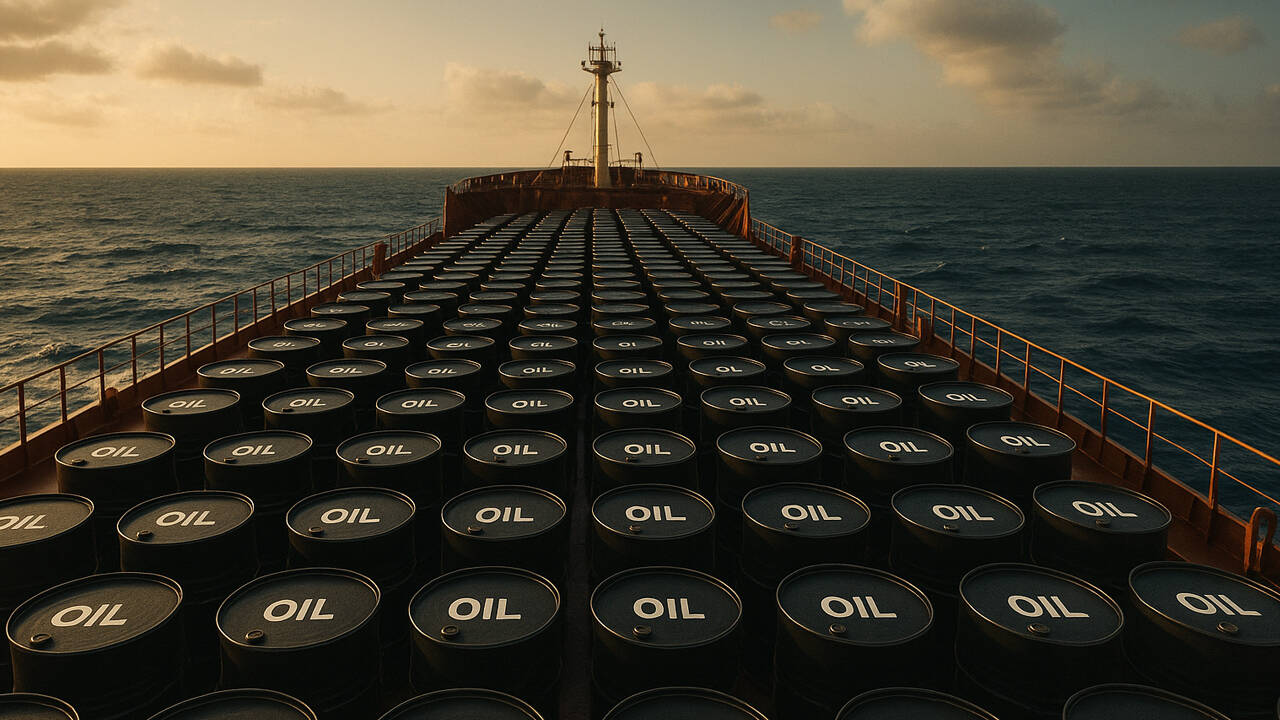
The conflict has already had a significant impact on global energy markets, with oil prices climbing in recent days. The Strait of Hormuz is a critical waterway for oil exports, and any disruption to shipping in the region can have far-reaching consequences for the global economy.
The US strikes against Iran are a significant escalation of the conflict, and it remains to be seen how Iran will respond. The international community is watching the situation closely, with many calling for a peaceful resolution to the crisis.
The US has made it clear that it will take all necessary steps to protect its interests in the region, including the use of military force. The situation remains volatile, and it is unclear what the future holds for the region.
In a statement, former US President Donald Trump warned that Iran would 'pay many times over' for its actions. The statement reflects the strong stance taken by the US against Iran's aggressive behavior in the region.
As the situation continues to unfold, the international community remains on high alert. The conflict has the potential to have far-reaching consequences for global energy supplies and the regional security landscape.
The US and its allies are working to find a way to de-escalate the situation and restore stability to the region. However, the path forward remains uncertain, and it is unclear what the future holds for the region.
The global community is calling for a peaceful resolution to the crisis, and diplomatic efforts are ongoing to find a solution. The situation remains volatile, and it is essential to find a way to de-escalate the conflict before it's too late.
In conclusion, the US strikes against Iran mark a significant escalation of the conflict, and the situation remains uncertain. The international community is watching the situation closely, and it is essential to find a peaceful resolution to the crisis to avoid further instability in the region.
Frequently asked questions
What is the current situation between the US and Iran?
The US has conducted its tenth consecutive night of strikes against Iran, aiming to reopen the Strait of Hormuz after recent attacks.
How has the conflict affected global energy supplies?
The conflict has raised concerns about global energy supplies, with oil prices climbing in recent days due to the disruption of shipping in the Strait of Hormuz.