Govt Tables Anti-Paper Leak Bill In Lok Sabha
Centre introduces Bill with tougher penalties, Opposition to discuss.
'%3E%3Crect%20width%3D'96'%20height%3D'96'%20fill%3D'%231A5276'%2F%3E%3Ccircle%20cx%3D'30'%20cy%3D'24'%20r%3D'44'%20fill%3D'%23fff'%20opacity%3D'.12'%2F%3E%3Ccircle%20cx%3D'60'%20cy%3D'74'%20r%3D'40'%20fill%3D'%23000'%20opacity%3D'.10'%2F%3E%3C%2Fg%3E%3Cg%20fill%3D'%23fff'%3E%3Cpath%20d%3D'M31%2041%20L48%2031%20L65%2041%20Z'%2F%3E%3Crect%20x%3D'33'%20y%3D'43'%20width%3D'4'%20height%3D'17'%2F%3E%3Crect%20x%3D'41'%20y%3D'43'%20width%3D'4'%20height%3D'17'%2F%3E%3Crect%20x%3D'51'%20y%3D'43'%20width%3D'4'%20height%3D'17'%2F%3E%3Crect%20x%3D'59'%20y%3D'43'%20width%3D'4'%20height%3D'17'%2F%3E%3Crect%20x%3D'30'%20y%3D'62'%20width%3D'36'%20height%3D'4'%20rx%3D'1'%2F%3E%3C%2Fg%3E%3C%2Fsvg%3E)
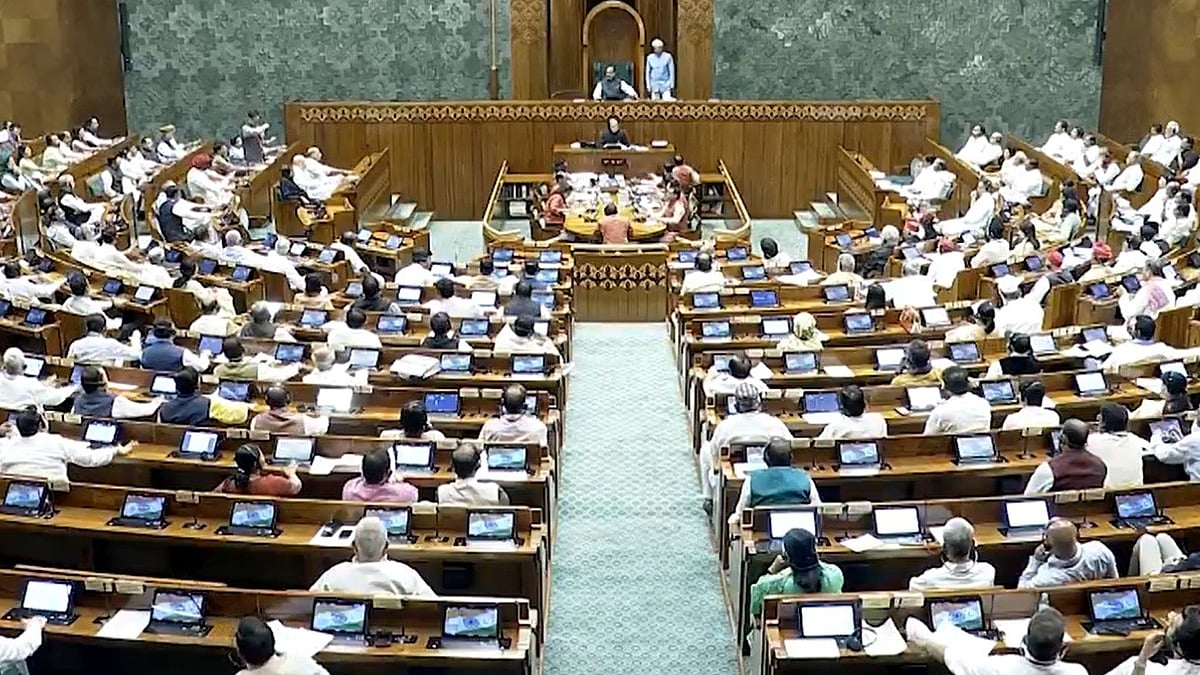
The Centre is set to introduce a Bill to amend the Public Examinations (Prevention of Unfair Means) Act, 2024, with tougher penalties for paper leak-related offences. Union Minister Dr Jitendra Singh will table the amendment during the Monsoon Session of Parliament.
The proposed changes seek to raise the maximum punishment under the existing provisions to 10 years' imprisonment and increase the maximum fine to Rs 10 crore. The minister is also expected to move a motion for the Bill to be taken up for consideration and passed by the House.
The first week of the Monsoon Session was largely washed out due to a political deadlock over the NEET paper leak controversy and the demand for the resignation of former Education Minister Dharmendra Pradhan. However, Prime Minister Narendra Modi announced the formation of a high-powered task force, headed by Infosys co-founder Nandan Nilekani, to recommend reforms aimed at making India's examination system more reliable, transparent and technology-driven.
Parliamentary Affairs Minister Kiren Rijiju stated that the introduction of the Bill is a significant step towards addressing the issue of paper leaks. He urged all parties to participate in the discussion, emphasizing that a strict law is being formed against exam paper leak.
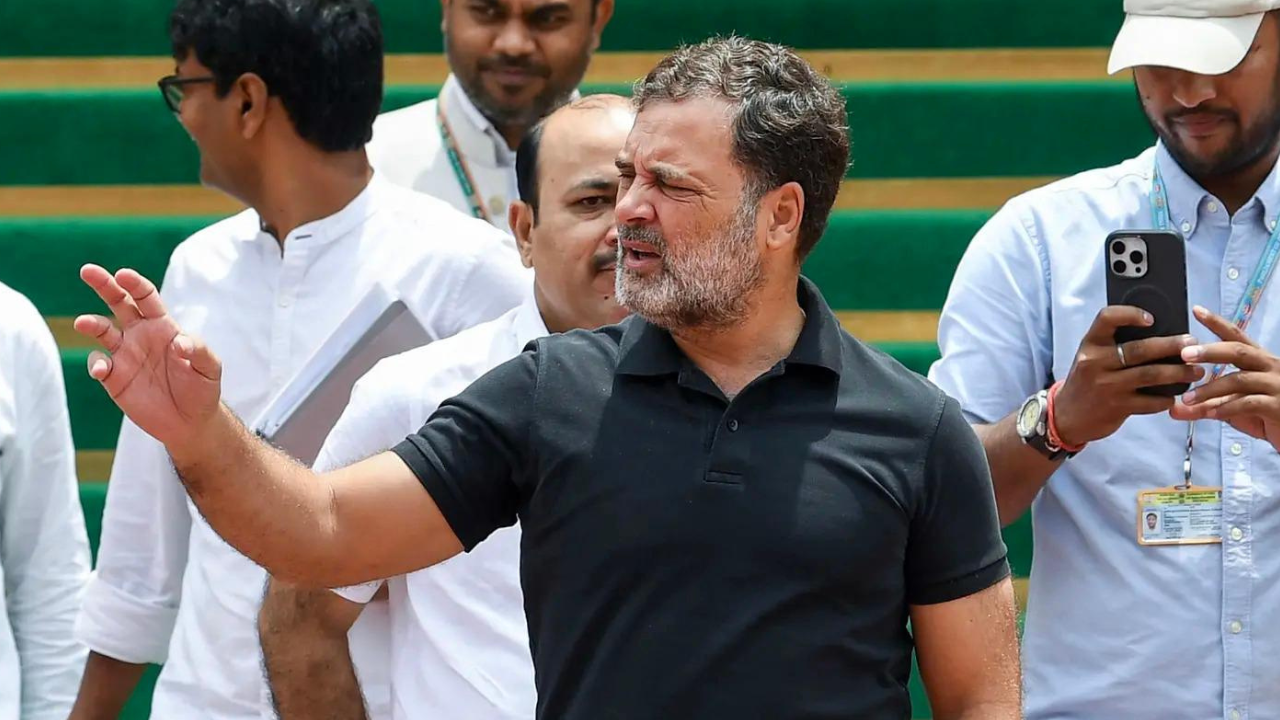
Young MPs, including BJP's Bansuri Swaraj and Tejasvi Surya, and Shiv Sena's Shrikant Shinde, are going to participate in the debate from the Treasury benches. The Opposition is expected to discuss the Bill, with Lok Sabha LoP Rahul Gandhi arriving for a meeting of Opposition leaders.
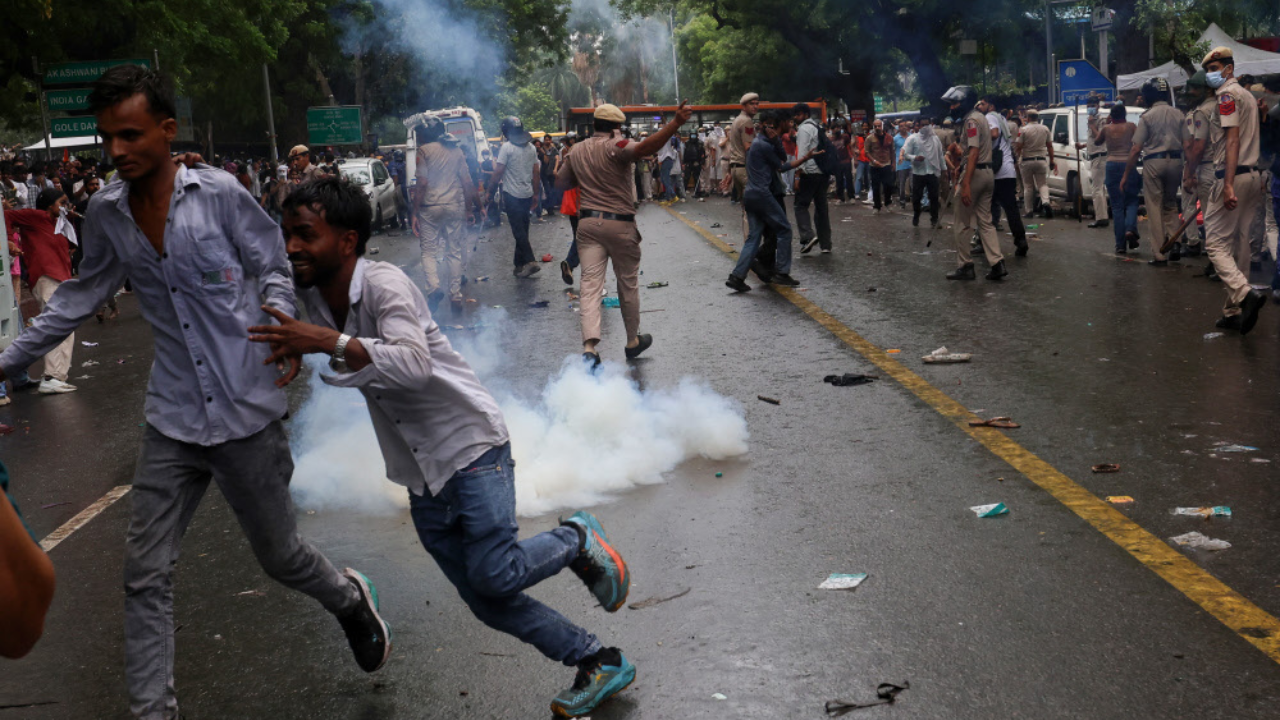
The introduction of the Bill is a response to the recent students' protest and the incidents of paper leaks in the country. The government aims to make the examination system more reliable and transparent.
The Monsoon Session of Parliament has been marked by disruptions and protests over various issues, including the NEET paper leak controversy. However, the introduction of the Anti-Paper Leak Bill is a significant development, and its passage is expected to have a major impact on the country's examination system.
The Bill's introduction is a testament to the government's commitment to addressing the issue of paper leaks and ensuring the integrity of the examination system. The discussion and debate on the Bill are expected to be intense, with all parties participating in the process.
In conclusion, the introduction of the Anti-Paper Leak Bill is a significant step towards reforming the examination system in India. The government's efforts to make the system more reliable, transparent, and technology-driven are expected to have a major impact on the country's education sector.
The Bill's passage is expected to send a strong message against paper leaks and ensure that those responsible for such incidents are held accountable. The government's commitment to addressing the issue is a positive development, and the country can expect significant reforms in the education sector in the coming days.
The introduction of the Bill is also expected to have a major impact on the students and the education system as a whole. The government's efforts to make the system more reliable and transparent are expected to boost the confidence of students and parents, and ensure that the examination system is fair and unbiased.
Overall, the introduction of the Anti-Paper Leak Bill is a significant development, and its passage is expected to have a major impact on the country's education sector. The government's commitment to addressing the issue of paper leaks is a positive development, and the country can expect significant reforms in the education sector in the coming days.
Frequently asked questions
What is the Anti-Paper Leak Bill about?
The Bill seeks to amend the Public Examinations (Prevention of Unfair Means) Act, 2024, with tougher penalties for paper leak-related offences.
What are the proposed penalties under the Bill?
The proposed changes seek to raise the maximum punishment under the existing provisions to 10 years' imprisonment and increase the maximum fine to Rs 10 crore.