Mumbai Engineer Gets Pension Despite Forged ST Certificate
SC rules in favour, engineer to receive pension. Forged certificate not a barrier.
'%3E%3Crect%20width%3D'96'%20height%3D'96'%20fill%3D'%23B3261E'%2F%3E%3Ccircle%20cx%3D'30'%20cy%3D'24'%20r%3D'44'%20fill%3D'%23fff'%20opacity%3D'.12'%2F%3E%3Ccircle%20cx%3D'60'%20cy%3D'74'%20r%3D'40'%20fill%3D'%23000'%20opacity%3D'.10'%2F%3E%3C%2Fg%3E%3Cg%20fill%3D'%23fff'%3E%3Crect%20x%3D'29'%20y%3D'49'%20width%3D'8'%20height%3D'19'%20rx%3D'1'%2F%3E%3Crect%20x%3D'39'%20y%3D'40'%20width%3D'9'%20height%3D'28'%20rx%3D'1'%2F%3E%3Crect%20x%3D'50'%20y%3D'45'%20width%3D'8'%20height%3D'23'%20rx%3D'1'%2F%3E%3Crect%20x%3D'60'%20y%3D'53'%20width%3D'7'%20height%3D'15'%20rx%3D'1'%2F%3E%3Crect%20x%3D'41'%20y%3D'34'%20width%3D'5'%20height%3D'6'%2F%3E%3C%2Fg%3E%3C%2Fsvg%3E)
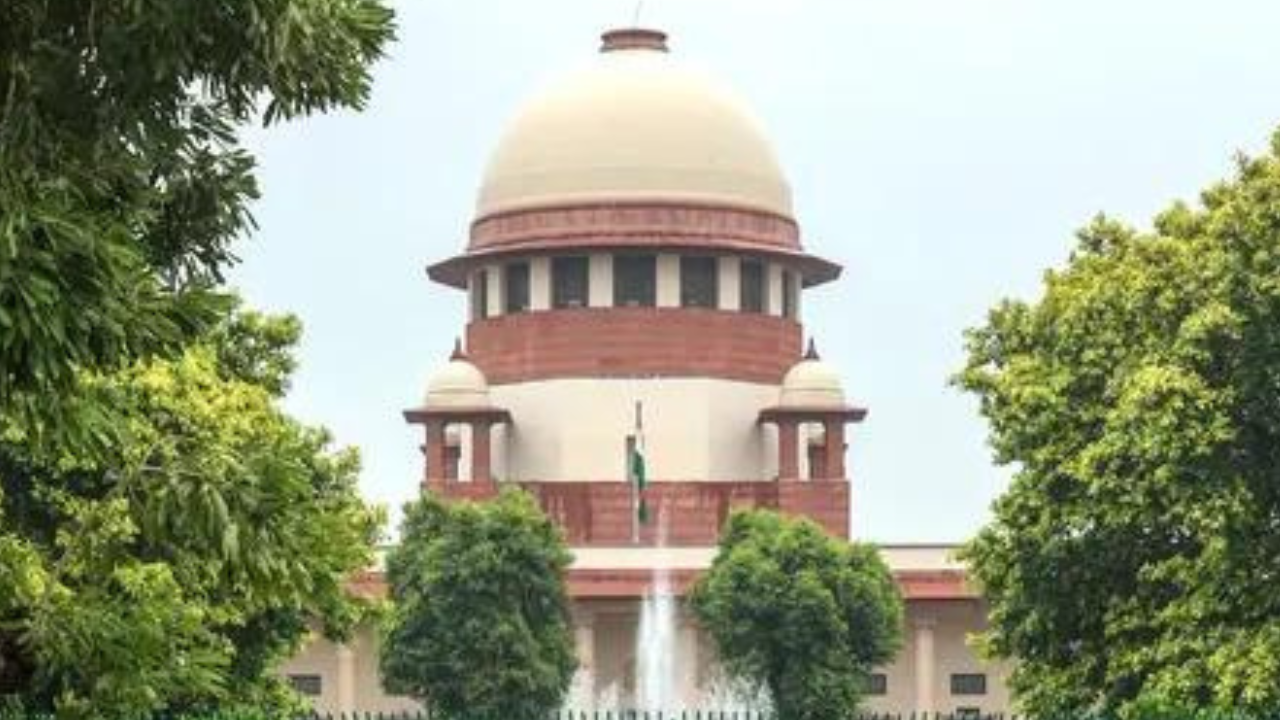
The Supreme Court has made a significant ruling in a case involving a Mumbai engineer who had forged a Scheduled Tribe (ST) certificate to secure a government job. Despite the forgery, the court has awarded the engineer their pension, sparking debate about the implications of such a decision.
The engineer, who had worked for the government for several years, had submitted a fake ST certificate to avail of the benefits reserved for Scheduled Tribe candidates. However, when the forgery was discovered, the engineer's job was not terminated, and they were allowed to continue working.
The Supreme Court's decision is based on the principle that the engineer had already completed their service and was eligible for pension. The court ruled that the forgery of the ST certificate did not disqualify the engineer from receiving their pension, as they had already rendered their service to the government.
This case has raised questions about the consequences of forging documents to secure government jobs. While the Supreme Court's decision may be seen as a victory for the engineer, it also highlights the need for stricter verification processes to prevent such forgeries in the future.
The Mumbai engineer's case is not an isolated incident, as there have been several instances of people forging documents to avail of benefits meant for marginalized communities. The Supreme Court's ruling may have implications for such cases, and it remains to be seen how it will impact the government's policies on verification and punishment for document forgery.
The engineer's pension amount has not been disclosed, but it is expected to be a significant amount considering their years of service. The government has not commented on the Supreme Court's decision, but it is likely to review its policies on document verification and pension eligibility in light of this ruling.
The Supreme Court's decision has sparked a debate about the balance between punishing those who forge documents and ensuring that eligible candidates receive their due benefits. While the engineer's forgery was a serious offense, the court's ruling highlights the importance of considering the individual's service and eligibility for pension.
In conclusion, the Supreme Court's decision to award pension to the Mumbai engineer who forged an ST certificate has significant implications for the government's policies on document verification and pension eligibility. The ruling highlights the need for stricter verification processes and raises questions about the consequences of forging documents to secure government jobs.
The case also underscores the importance of considering the individual's service and eligibility for pension, even in cases where document forgery has occurred. As the government reviews its policies in light of this ruling, it must balance the need to punish those who forge documents with the need to ensure that eligible candidates receive their due benefits.
The Mumbai engineer's case is a complex one, and the Supreme Court's decision has added a new layer of complexity to the debate on document forgery and pension eligibility. As the government and the courts continue to grapple with this issue, it is essential to consider the implications of such decisions on the broader society and the marginalized communities that these policies are meant to benefit.
In the context of Mumbai, this case highlights the need for stricter verification processes in government jobs and the importance of considering the individual's service and eligibility for pension. The Supreme Court's decision may have implications for the city's government policies and may lead to a review of the current verification processes in place.
The case also raises questions about the role of the government in preventing document forgery and ensuring that eligible candidates receive their due benefits. As the government reviews its policies, it must consider the impact of such decisions on the marginalized communities and the broader society.
In the end, the Supreme Court's decision to award pension to the Mumbai engineer who forged an ST certificate is a significant one, with implications for the government's policies on document verification and pension eligibility. The ruling highlights the need for stricter verification processes and raises questions about the consequences of forging documents to secure government jobs.
Frequently asked questions
What was the Supreme Court's decision in the Mumbai engineer's case?
The Supreme Court awarded pension to the Mumbai engineer despite their forgery of an ST certificate.
Why did the Supreme Court rule in favour of the engineer?
The court ruled that the engineer's forgery did not disqualify them from receiving their pension, as they had already rendered their service to the government.