Uber Cuts 3,300 Jobs Globally
Uber lays off 10% of workforce, CEO cites restructuring and robotaxi push.
'%3E%3Crect%20width%3D'96'%20height%3D'96'%20fill%3D'%23B3261E'%2F%3E%3Ccircle%20cx%3D'30'%20cy%3D'24'%20r%3D'44'%20fill%3D'%23fff'%20opacity%3D'.12'%2F%3E%3Ccircle%20cx%3D'60'%20cy%3D'74'%20r%3D'40'%20fill%3D'%23000'%20opacity%3D'.10'%2F%3E%3C%2Fg%3E%3Cg%20fill%3D'%23fff'%3E%3Crect%20x%3D'29'%20y%3D'49'%20width%3D'8'%20height%3D'19'%20rx%3D'1'%2F%3E%3Crect%20x%3D'39'%20y%3D'40'%20width%3D'9'%20height%3D'28'%20rx%3D'1'%2F%3E%3Crect%20x%3D'50'%20y%3D'45'%20width%3D'8'%20height%3D'23'%20rx%3D'1'%2F%3E%3Crect%20x%3D'60'%20y%3D'53'%20width%3D'7'%20height%3D'15'%20rx%3D'1'%2F%3E%3Crect%20x%3D'41'%20y%3D'34'%20width%3D'5'%20height%3D'6'%2F%3E%3C%2Fg%3E%3C%2Fsvg%3E)
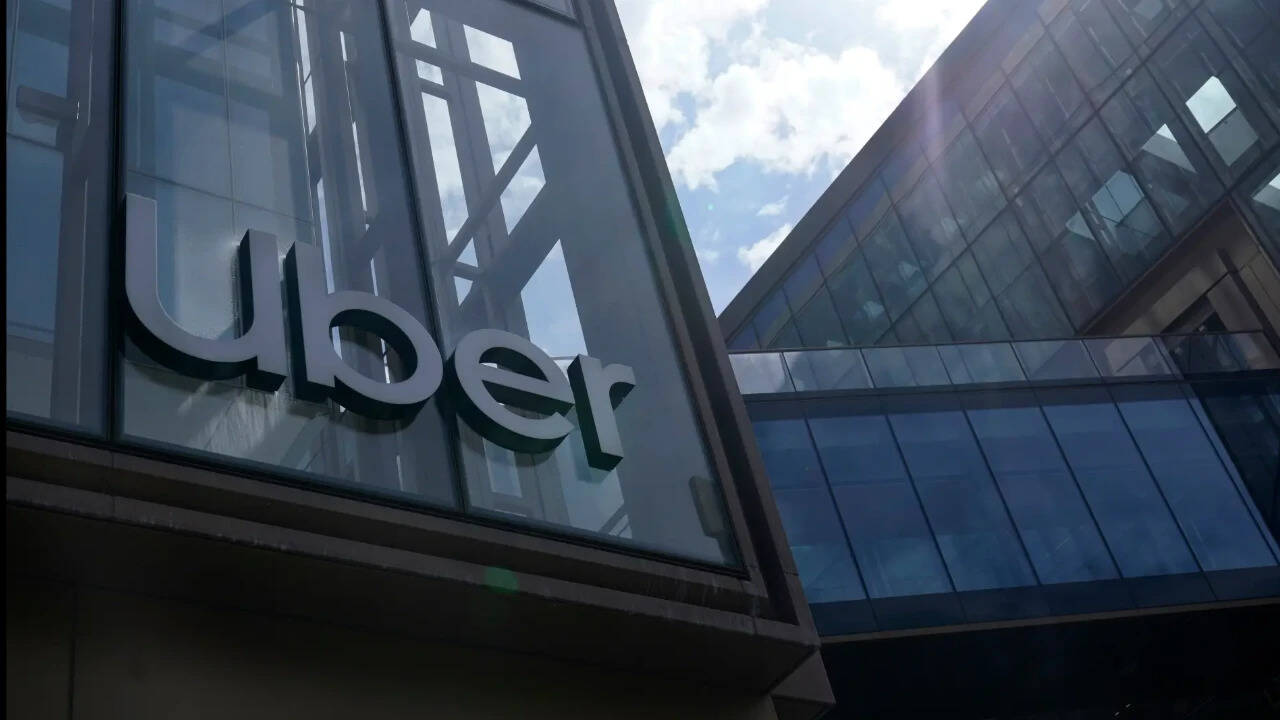
Uber has announced a major restructuring effort, resulting in the loss of approximately 3,300 jobs worldwide. This move represents the company's largest workforce reduction since 2020, affecting roughly 10 percent of its global employees.
The decision, as explained by CEO Dara Khosrowshahi, aims to streamline the organization by eliminating management layers and merging delivery and engineering teams. This restructuring is also intended to free up capital for Uber's ambitious robotaxi initiative.
As part of the layoffs, the number of managers within the company will decrease by 20 percent. Additionally, the proportion of fully remote roles will be significantly reduced, dropping to about 1 percent of the total workforce. Following this reduction, Uber's headcount will return to levels last seen in 2021.
Khosrowshahi emphasized that the layoffs are part of a broader effort to reorganize and refocus the company, rather than a direct response to any single factor such as the rise of artificial intelligence. The CEO's statement suggests a strategic move to position Uber for future growth and innovation, particularly in the area of autonomous vehicles.
The impact of these layoffs on Uber's operations and services remains to be seen. However, the company's commitment to its robotaxi push indicates a significant investment in emerging technologies. This move could potentially pave the way for new services and features, enhancing the user experience and setting Uber apart in the competitive ride-hailing market.
In the context of the global tech industry, Uber's decision reflects a trend of restructuring and consolidation. Many companies are reevaluating their workforce and operations in response to changing market conditions and technological advancements. Uber's move to reduce its workforce and focus on key initiatives may be seen as a proactive step to ensure the company's long-term viability and success.
The reduction in fully remote roles also signals a shift towards a more traditional office-based work environment for many Uber employees. This change may have implications for the company culture and productivity, as well as for the employees who will be required to adapt to new work arrangements.
As Uber navigates this period of change, the company will likely face challenges in maintaining morale and retaining key talent. However, the CEO's emphasis on the importance of this restructuring for Uber's future growth suggests a commitment to emerging stronger and more focused.
In conclusion, Uber's decision to cut 3,300 jobs marks a significant turning point for the company. As it moves forward with its restructuring efforts and invests in innovative technologies, Uber is poised to evolve and adapt to the changing landscape of the tech industry.
The implications of this move for Mumbai, as a major hub for tech and innovation, are also worth considering. As companies like Uber continue to evolve and grow, the city's startup ecosystem and job market may be affected. However, the focus on emerging technologies like autonomous vehicles also presents opportunities for growth and development in the region.
Ultimately, the success of Uber's restructuring efforts will depend on the company's ability to execute its strategy and adapt to the changing needs of its users. As the tech industry continues to evolve, companies like Uber must be willing to innovate and take calculated risks to remain competitive.
In terms of significance for Mumbai and India, Uber's move reflects a broader trend of tech companies reevaluating their operations and investing in emerging technologies. This shift could have implications for the local job market and startup ecosystem, as well as for the development of innovative technologies in the region.
Frequently asked questions
How many jobs is Uber cutting?
Uber is cutting approximately 3,300 jobs, roughly 10 percent of its global workforce.
Why is Uber cutting jobs?
The company is restructuring to remove management layers, merge teams, and free up capital for its robotaxi initiative.