India to Introduce Rs 10, Rs 20 Polymer Notes
India to trial polymer notes, improving longevity and durability.
'%3E%3Crect%20width%3D'96'%20height%3D'96'%20fill%3D'%230B6E4F'%2F%3E%3Ccircle%20cx%3D'30'%20cy%3D'24'%20r%3D'44'%20fill%3D'%23fff'%20opacity%3D'.12'%2F%3E%3Ccircle%20cx%3D'60'%20cy%3D'74'%20r%3D'40'%20fill%3D'%23000'%20opacity%3D'.10'%2F%3E%3C%2Fg%3E%3Cg%20fill%3D'none'%20stroke%3D'%23fff'%20stroke-width%3D'3.2'%20stroke-linecap%3D'round'%20stroke-linejoin%3D'round'%3E%3Cpolyline%20points%3D'31%2C59%2041%2C49%2049%2C54%2063%2C37'%2F%3E%3Cpolyline%20points%3D'55%2C37%2063%2C37%2063%2C45'%2F%3E%3C%2Fg%3E%3C%2Fsvg%3E)
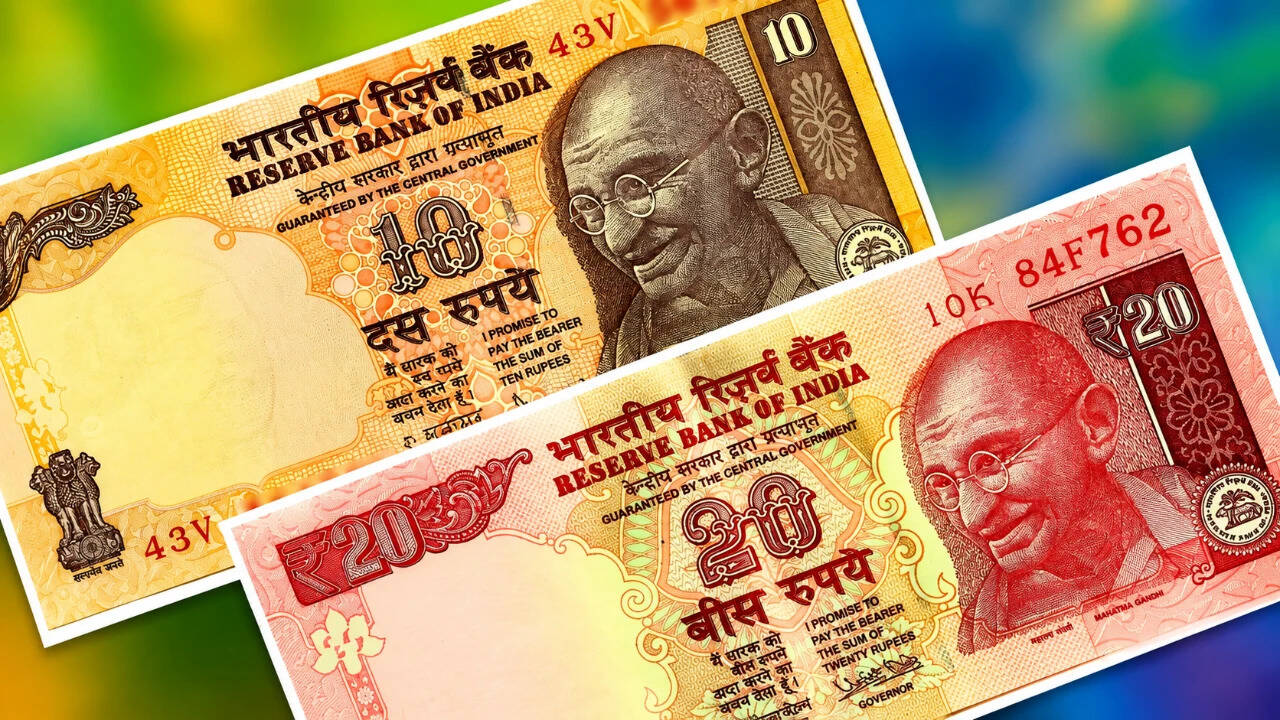
The Reserve Bank of India is set to introduce polymer banknotes for the first time in the country. The initial trial will include one billion pieces each of Rs 10 and Rs 20 denominations. These polymer notes will be used alongside the current paper currency, with the aim of increasing the lifespan of lower denomination notes.
The decision to introduce polymer notes is a significant step towards reducing the costs associated with printing and replacing paper currency. Polymer notes are known for their durability and longevity, making them a cost-effective option in the long run.
The introduction of polymer notes is also expected to reduce the environmental impact of paper currency. Paper notes have a shorter lifespan and need to be replaced frequently, which can result in a significant amount of waste. Polymer notes, on the other hand, can withstand more wear and tear, reducing the need for frequent replacements.
The Reserve Bank of India has been exploring the idea of introducing polymer notes for some time now. The bank has been conducting research and trials to test the feasibility of polymer notes in the Indian economy.
The introduction of polymer notes is not expected to have any significant impact on the overall economy. However, it is expected to have a positive impact on the environment and the banking system. The reduced need for frequent replacements will result in cost savings for the bank, which can be passed on to the customers.
In addition to the introduction of polymer notes, the parliament has also been discussing other important topics such as inflation and taxation strategies. These discussions are aimed at finding ways to stabilize the economy and promote growth.
The introduction of polymer notes is a significant development in the Indian banking system. It is expected to have a positive impact on the environment and the economy, and it will be interesting to see how the trials progress.
The use of polymer notes is not new, and several countries have already adopted this technology. The introduction of polymer notes in India is a step towards modernizing the banking system and reducing costs.
In the coming months, the Reserve Bank of India will be closely monitoring the progress of the trials and assessing the feasibility of introducing polymer notes on a larger scale. If the trials are successful, it is likely that polymer notes will become a common sight in the Indian economy.
The introduction of polymer notes is a significant development, and it will be interesting to see how it plays out in the coming months. With the aim of reducing costs and promoting sustainability, the introduction of polymer notes is a step in the right direction.
The Indian economy is constantly evolving, and the introduction of polymer notes is just one of the many developments that are taking place. As the economy continues to grow and modernize, it is likely that we will see more innovations and advancements in the banking system.
In conclusion, the introduction of polymer notes is a significant step towards modernizing the Indian banking system. With the aim of reducing costs and promoting sustainability, the introduction of polymer notes is a positive development that is expected to have a positive impact on the economy and the environment.
Frequently asked questions
What are the benefits of polymer notes?
Polymer notes are more durable and long-lasting than paper currency, reducing the need for frequent replacements and the environmental impact of paper waste.
Will polymer notes replace paper currency?
No, polymer notes will coexist with paper currency, with the goal of improving the longevity of lower denomination notes.