India Eases Rupee Trade Rules for Exporters
India relaxes rules for rupee trade, benefits exporters. New rules apply to exports to countries except Nepal and Bhutan.
'%3E%3Crect%20width%3D'96'%20height%3D'96'%20fill%3D'%230B6E4F'%2F%3E%3Ccircle%20cx%3D'30'%20cy%3D'24'%20r%3D'44'%20fill%3D'%23fff'%20opacity%3D'.12'%2F%3E%3Ccircle%20cx%3D'60'%20cy%3D'74'%20r%3D'40'%20fill%3D'%23000'%20opacity%3D'.10'%2F%3E%3C%2Fg%3E%3Cg%20fill%3D'none'%20stroke%3D'%23fff'%20stroke-width%3D'3.2'%20stroke-linecap%3D'round'%20stroke-linejoin%3D'round'%3E%3Cpolyline%20points%3D'31%2C59%2041%2C49%2049%2C54%2063%2C37'%2F%3E%3Cpolyline%20points%3D'55%2C37%2063%2C37%2063%2C45'%2F%3E%3C%2Fg%3E%3C%2Fsvg%3E)
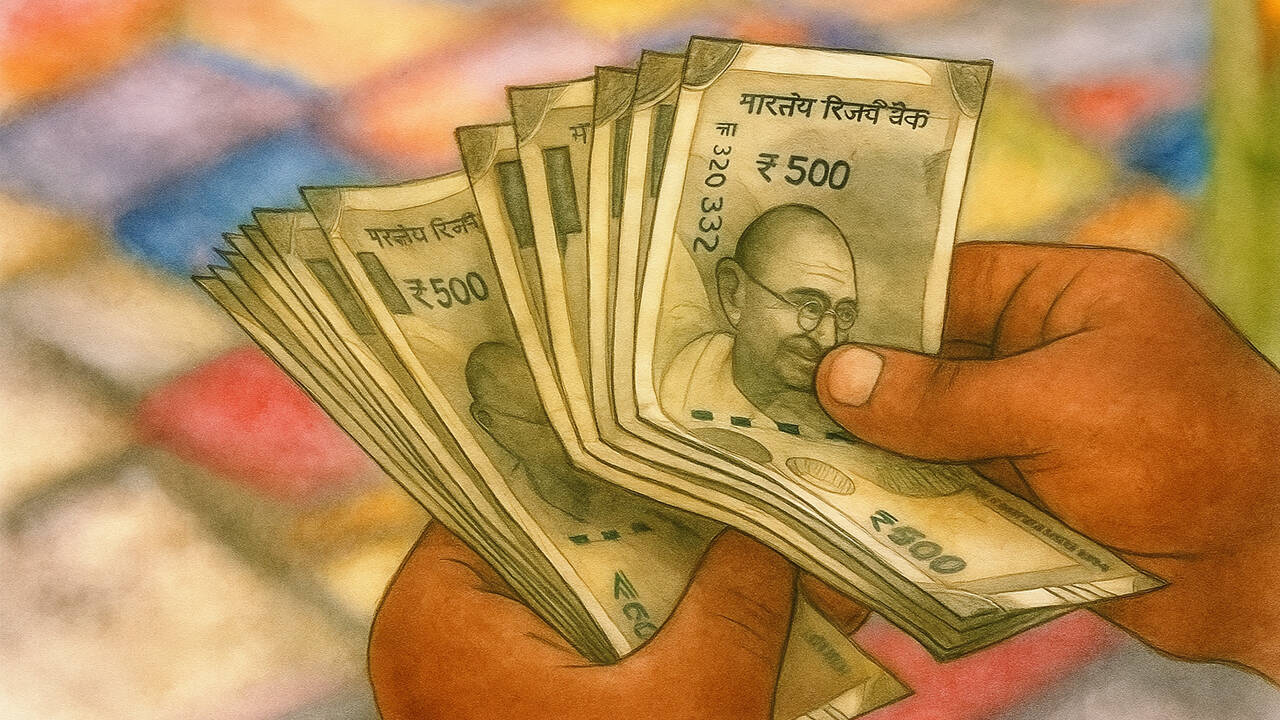
India has eased its rupee trade rules, providing an alternative for exporters. According to the Global Trade Research Initiative (GTRI), eligible rupee payments for exports to countries other than Nepal and Bhutan will now qualify for Foreign Trade Policy (FTP) benefits.
This change is significant as it allows exporters to count these payments towards meeting their export obligations. The relaxation of rules is expected to boost exports and increase the use of the rupee in international trade.
The GTRI, an economic think tank, has welcomed the move, stating that it will provide exporters with more flexibility and options. The change is also seen as a step towards promoting the use of the rupee in international trade, reducing dependence on foreign currencies.
The new rules will apply to exports to all countries except Nepal and Bhutan, which have special arrangements with India. The move is expected to benefit exporters across various sectors, including textiles, pharmaceuticals, and engineering goods.
The Indian government has been actively promoting the use of the rupee in international trade, and this move is seen as a part of that effort. The government aims to increase the use of the rupee in trade with other countries, reducing the dependence on foreign currencies like the US dollar.
The easing of rupee trade rules is also expected to help India's export sector, which has been facing challenges due to the COVID-19 pandemic and global economic uncertainty. The move is seen as a positive step towards promoting exports and increasing India's trade competitiveness.
In the context of India's trade policy, the relaxation of rupee trade rules is a significant development. India has been actively engaged in promoting its trade interests and increasing its exports. The move is expected to contribute to the country's efforts to increase its trade competitiveness and promote economic growth.
The impact of the new rules will be closely watched by exporters, policymakers, and economists. The move is expected to have a positive impact on India's export sector and promote the use of the rupee in international trade.
In conclusion, the easing of rupee trade rules is a significant development for India's export sector. The move is expected to provide exporters with more flexibility and options, promoting the use of the rupee in international trade and increasing India's trade competitiveness.
Frequently asked questions
What are the new rupee trade rules for exporters in India?
The new rules allow eligible rupee payments for exports to countries other than Nepal and Bhutan to qualify for FTP benefits and count towards meeting export obligations.
Which countries are exempt from the new rupee trade rules?
Nepal and Bhutan are exempt from the new rules, as they have special arrangements with India.