Scotland Removes Trees from Ancient Peatland
Scotland restores peatlands, removes trees to boost wildlife and carbon storage. Conservation effort focuses on Flow Country, a World Heritage Site.
'%3E%3Crect%20width%3D'96'%20height%3D'96'%20fill%3D'%23B3261E'%2F%3E%3Ccircle%20cx%3D'30'%20cy%3D'24'%20r%3D'44'%20fill%3D'%23fff'%20opacity%3D'.12'%2F%3E%3Ccircle%20cx%3D'60'%20cy%3D'74'%20r%3D'40'%20fill%3D'%23000'%20opacity%3D'.10'%2F%3E%3C%2Fg%3E%3Cg%20fill%3D'%23fff'%3E%3Crect%20x%3D'29'%20y%3D'49'%20width%3D'8'%20height%3D'19'%20rx%3D'1'%2F%3E%3Crect%20x%3D'39'%20y%3D'40'%20width%3D'9'%20height%3D'28'%20rx%3D'1'%2F%3E%3Crect%20x%3D'50'%20y%3D'45'%20width%3D'8'%20height%3D'23'%20rx%3D'1'%2F%3E%3Crect%20x%3D'60'%20y%3D'53'%20width%3D'7'%20height%3D'15'%20rx%3D'1'%2F%3E%3Crect%20x%3D'41'%20y%3D'34'%20width%3D'5'%20height%3D'6'%2F%3E%3C%2Fg%3E%3C%2Fsvg%3E)
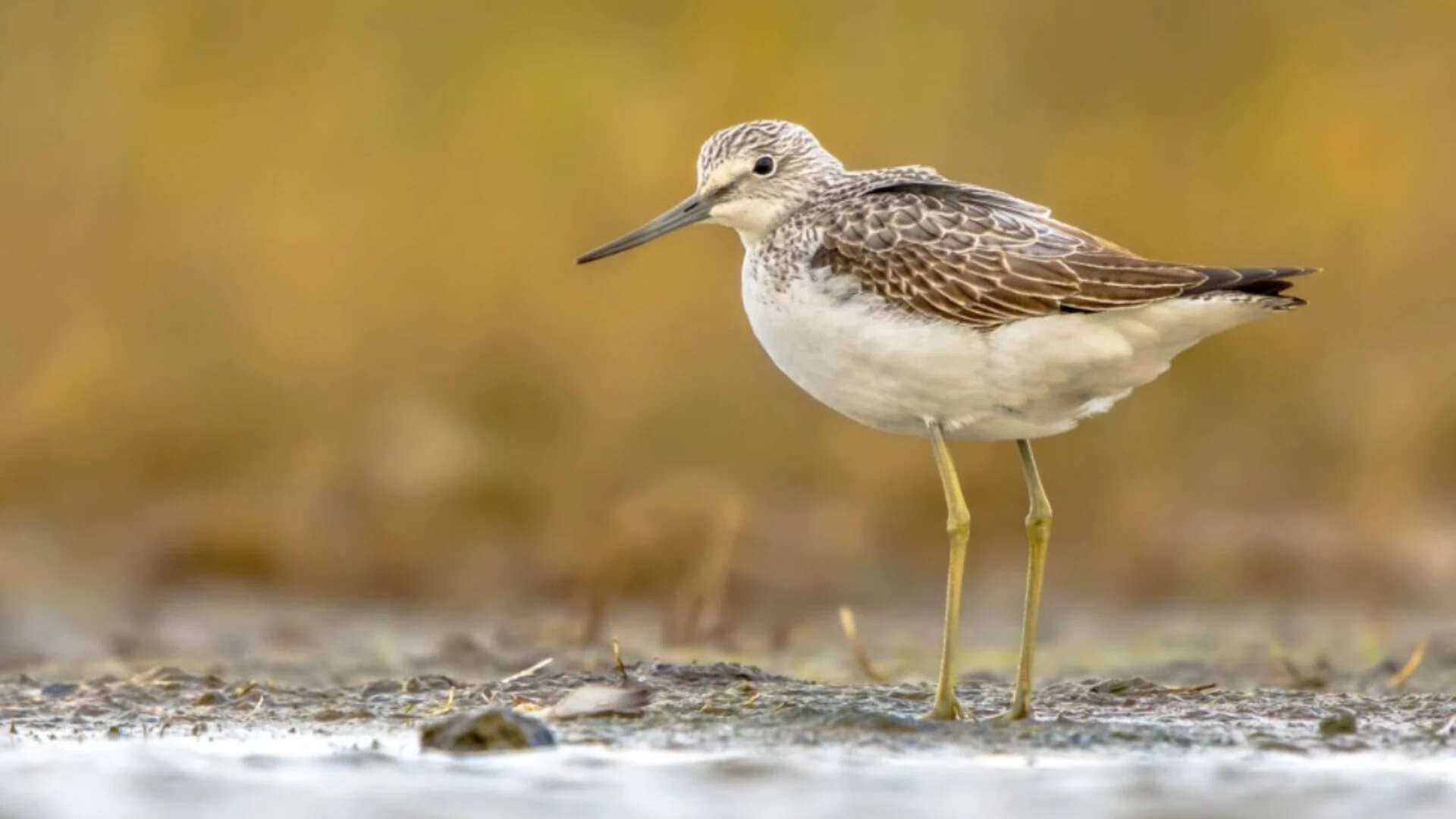
Scotland's ancient peatlands are undergoing a major restoration project to reverse the damage caused by tree planting. The initiative, led by conservationists, aims to remove commercial trees from the area and promote the growth of natural vegetation, which will help to preserve the peatlands' unique ecosystem and maintain their carbon storage capabilities.
The project is primarily focused on the Flow Country, a vast and ecologically significant wetland area in northern Scotland. The Flow Country has been recognized as a World Heritage Site due to its global importance as a habitat for numerous plant and animal species. The removal of trees from the peatlands is expected to enhance the biodiversity of the area, allowing native species to thrive and improving the overall health of the ecosystem.
The decision to remove trees from the peatlands may seem counterintuitive, given the importance of trees in combating climate change. However, the trees planted in the peatlands were primarily commercial species, such as conifers, which are not well-suited to the unique conditions of the area. These trees have been found to dry out the peat, reducing its ability to store carbon and altering the local hydrology.
The restoration project is a significant undertaking, requiring the removal of thousands of trees from the peatlands. The work is being carried out by conservationists, who are using specialized equipment to carefully extract the trees and minimize damage to the surrounding ecosystem. The project is expected to take several years to complete, but the long-term benefits to the environment are expected to be substantial.
The Flow Country is one of the most important areas of peatland in the world, covering over 400,000 hectares in northern Scotland. The peatlands are home to a wide range of plant and animal species, many of which are found nowhere else in the world. The area is also of great cultural significance, with many archaeological sites and historical landmarks scattered throughout the landscape.
The restoration of the peatlands is not only important for the local ecosystem, but also for the global environment. Peatlands like those found in the Flow Country are significant carbon sinks, storing vast amounts of carbon dioxide that would otherwise contribute to climate change. By preserving and restoring these areas, conservationists can help to mitigate the effects of climate change and promote a healthier environment.
The project to remove trees from the ancient peatlands of Scotland is a notable example of the efforts being made to protect and preserve the world's most important ecosystems. As the world continues to grapple with the challenges of climate change, initiatives like this one will play an increasingly important role in promoting environmental sustainability and preserving the natural beauty of our planet.
In conclusion, the restoration of Scotland's ancient peatlands is a significant step forward in the effort to protect the environment and promote biodiversity. The removal of commercial trees from the area will help to preserve the unique ecosystem of the peatlands, maintain their carbon storage capabilities, and promote the growth of native species. As the project continues to progress, it is likely to have a lasting impact on the environment and serve as a model for similar conservation efforts around the world.
Frequently asked questions
Why is Scotland removing trees from its peatlands?
Scotland is removing trees from its peatlands to restore the natural ecosystem and promote biodiversity. The trees, which were primarily commercial species, were found to be drying out the peat and reducing its ability to store carbon.
What is the significance of the Flow Country?
The Flow Country is a World Heritage Site and one of the most important areas of peatland in the world, covering over 400,000 hectares in northern Scotland. It is home to a wide range of plant and animal species and is of great cultural significance.