Scientists Infect 6,000 Elms to Revive Iconic Trees
Scientists attempt to revive iconic elm trees by infecting 6,000 young elms. The bold bid aims to bring back the trees.
'%3E%3Crect%20width%3D'96'%20height%3D'96'%20fill%3D'%23B3261E'%2F%3E%3Ccircle%20cx%3D'30'%20cy%3D'24'%20r%3D'44'%20fill%3D'%23fff'%20opacity%3D'.12'%2F%3E%3Ccircle%20cx%3D'60'%20cy%3D'74'%20r%3D'40'%20fill%3D'%23000'%20opacity%3D'.10'%2F%3E%3C%2Fg%3E%3Cg%20fill%3D'%23fff'%3E%3Crect%20x%3D'29'%20y%3D'49'%20width%3D'8'%20height%3D'19'%20rx%3D'1'%2F%3E%3Crect%20x%3D'39'%20y%3D'40'%20width%3D'9'%20height%3D'28'%20rx%3D'1'%2F%3E%3Crect%20x%3D'50'%20y%3D'45'%20width%3D'8'%20height%3D'23'%20rx%3D'1'%2F%3E%3Crect%20x%3D'60'%20y%3D'53'%20width%3D'7'%20height%3D'15'%20rx%3D'1'%2F%3E%3Crect%20x%3D'41'%20y%3D'34'%20width%3D'5'%20height%3D'6'%2F%3E%3C%2Fg%3E%3C%2Fsvg%3E)
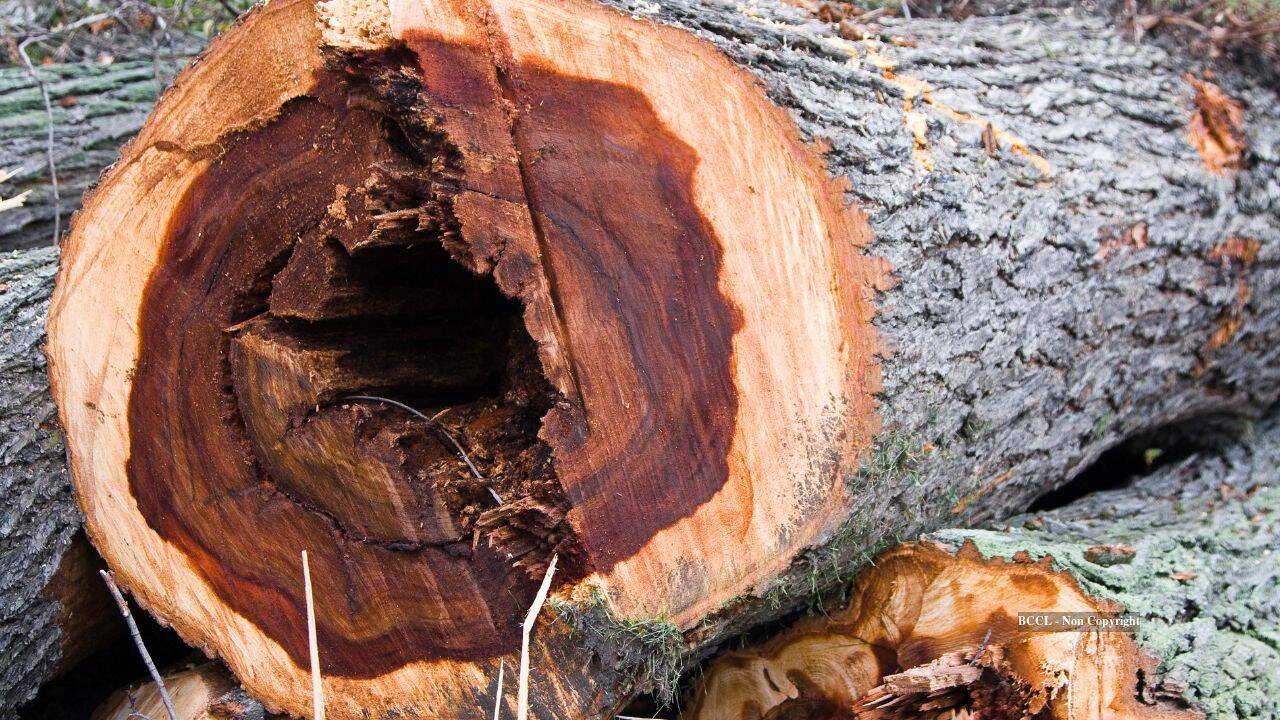
Scientists have embarked on an ambitious project to revive the iconic elm trees by infecting 6,000 young elms. The effort is part of a larger initiative to restore the elm population, which has been severely depleted due to disease.
The project involves intentionally infecting the young elms with a fungus that is expected to trigger an immune response, helping the trees develop resistance to the disease. This approach is based on the principle that exposure to a controlled amount of the fungus can stimulate the trees' natural defense mechanisms.
Researchers believe that this method could be a crucial step in reviving the elm population, which has been ravaged by Dutch elm disease. The disease, caused by a fungus spread by beetles, has killed millions of elm trees worldwide, leaving few mature trees remaining.
Elm trees were once a common sight in many parts of the world, including India, and were highly valued for their beauty and ecological importance. However, the devastating impact of Dutch elm disease has led to a significant decline in their numbers.
The scientists involved in the project are closely monitoring the infected trees, observing their response to the fungus and tracking any changes in their health. The team is hopeful that this innovative approach will yield positive results and pave the way for the restoration of elm trees to their former glory.
The project's success could have significant implications for the environment and ecosystems, as elm trees play a vital role in maintaining biodiversity and supporting various species of plants and animals. The revival of the elm population could also have a positive impact on the aesthetic appeal of landscapes, as the trees are known for their striking beauty.
As the project progresses, researchers will continue to monitor the trees' progress, refining their approach as needed. The ultimate goal is to develop a robust and resilient elm population that can thrive in the face of disease and other challenges.
The initiative is a testament to the dedication and creativity of scientists working to preserve and restore the natural world. By pushing the boundaries of conventional approaches, researchers are exploring new ways to address the complex challenges facing the environment and ecosystems.
In the context of India, where elm trees were once a common sight, this project could have significant implications for the country's ecological landscape. The restoration of elm trees could contribute to the preservation of biodiversity and the maintenance of healthy ecosystems, ultimately benefiting both the environment and human communities.
The project's outcome will be closely watched, as it has the potential to inspire similar initiatives aimed at reviving other endangered tree species. As the world grapples with the challenges of environmental degradation and climate change, innovative approaches like this one could play a vital role in preserving the natural world for future generations.
In conclusion, the bold bid to revive iconic elm trees by infecting 6,000 young elms is a groundbreaking initiative that could have far-reaching implications for the environment and ecosystems. The project's success could pave the way for the restoration of other endangered tree species, ultimately contributing to the preservation of biodiversity and the health of ecosystems.
Frequently asked questions
What is the purpose of infecting 6,000 young elms?
The purpose is to trigger an immune response and help the trees develop resistance to Dutch elm disease.
Why are elm trees important?
Elm trees play a vital role in maintaining biodiversity and supporting various species of plants and animals.