RBI to Introduce 2 Billion Plastic Notes in 2024
India's first plastic notes arrive next year. RBI to print 2 billion notes.
'%3E%3Crect%20width%3D'96'%20height%3D'96'%20fill%3D'%230B6E4F'%2F%3E%3Ccircle%20cx%3D'30'%20cy%3D'24'%20r%3D'44'%20fill%3D'%23fff'%20opacity%3D'.12'%2F%3E%3Ccircle%20cx%3D'60'%20cy%3D'74'%20r%3D'40'%20fill%3D'%23000'%20opacity%3D'.10'%2F%3E%3C%2Fg%3E%3Cg%20fill%3D'none'%20stroke%3D'%23fff'%20stroke-width%3D'3.2'%20stroke-linecap%3D'round'%20stroke-linejoin%3D'round'%3E%3Cpolyline%20points%3D'31%2C59%2041%2C49%2049%2C54%2063%2C37'%2F%3E%3Cpolyline%20points%3D'55%2C37%2063%2C37%2063%2C45'%2F%3E%3C%2Fg%3E%3C%2Fsvg%3E)
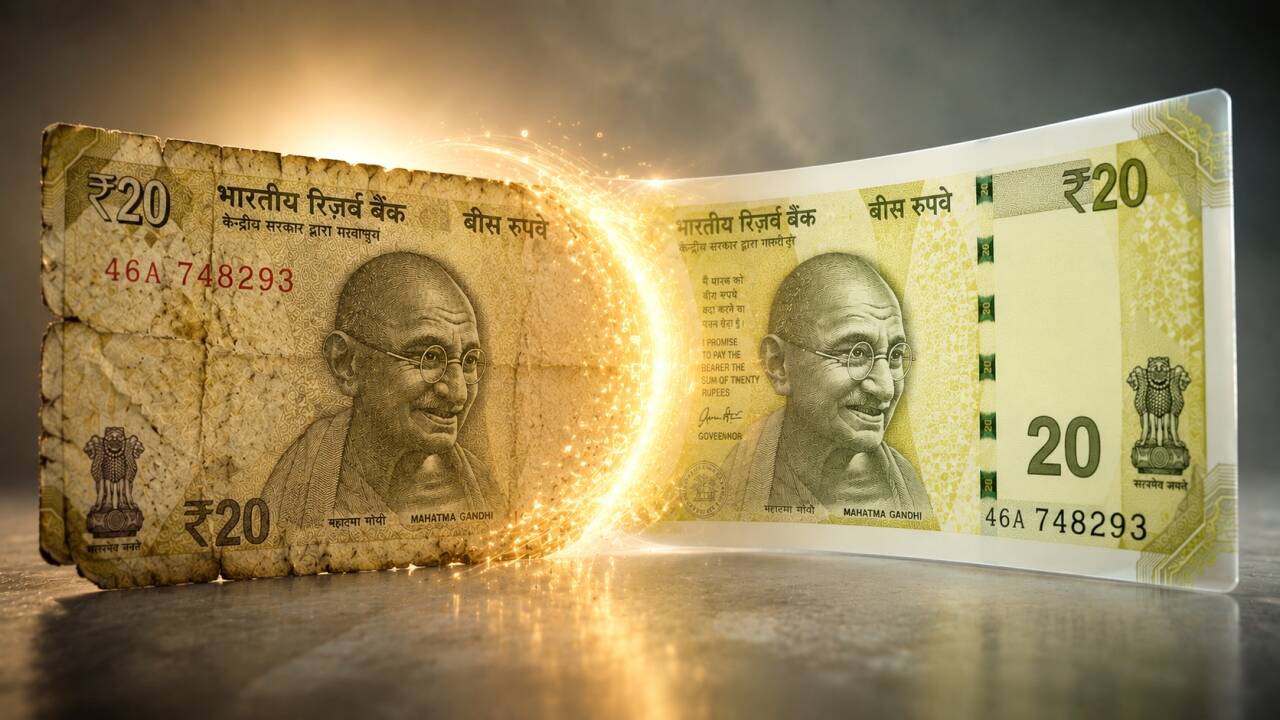
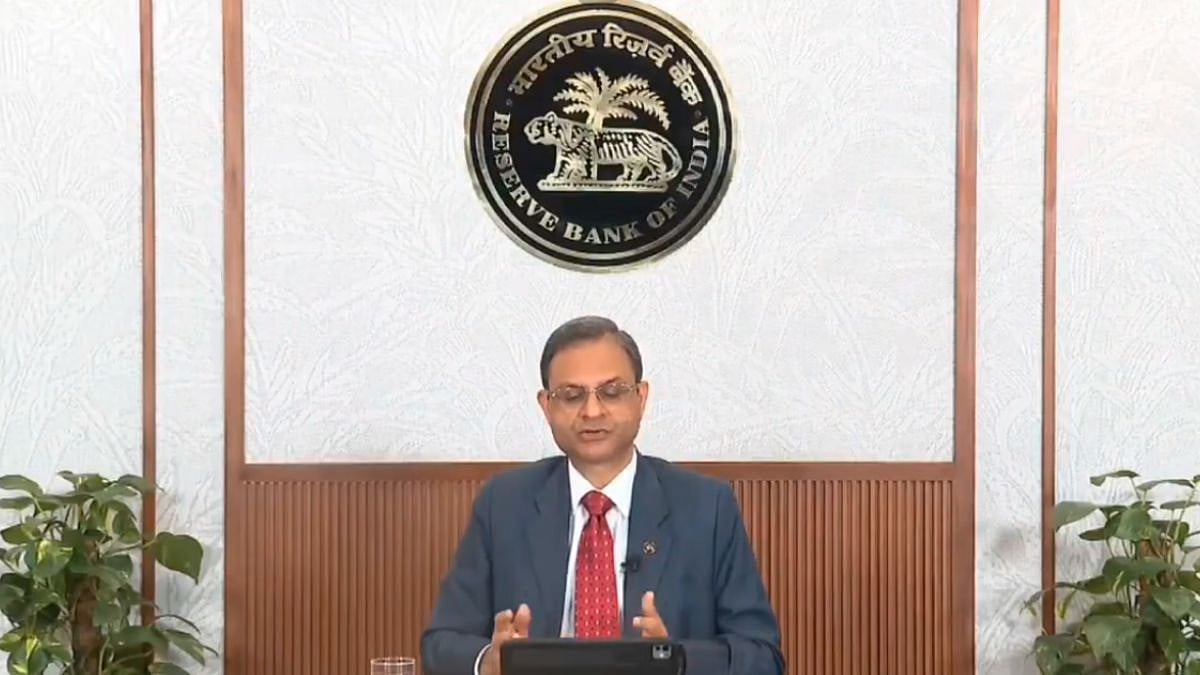
The Reserve Bank of India has been authorized to print up to 2 billion polymer notes, with 1 billion each in the Rs 10 and Rs 20 denominations, for field trials. This move marks a significant step towards introducing plastic currency in India. According to the RBI governor, the field trials are expected to take place next year.
The decision to introduce plastic notes is aimed at increasing the durability and longevity of currency notes. Polymer notes are known to be more resistant to wear and tear, and can withstand harsh environmental conditions. The RBI has not proposed to replace paper currency entirely, and the introduction of plastic notes will be done on a trial basis.
The use of plastic notes is not a new concept, and several countries have already adopted this technology. The introduction of plastic notes in India is expected to reduce the cost of printing and maintaining currency notes. The RBI will closely monitor the field trials to assess the performance of the plastic notes and gather feedback from the public.
The field trials will be conducted in various locations across the country, and the RBI will work closely with banks and other stakeholders to ensure a smooth transition. The introduction of plastic notes is expected to have a positive impact on the environment, as it will reduce the need for frequent printing and disposal of paper currency.
The RBI governor has shared the timeline for the introduction of plastic notes, and it is expected that the field trials will begin next year. The governor has also stated that there is no proposal to replace paper currency entirely, and the introduction of plastic notes will be done on a trial basis.
The introduction of plastic notes in India is a significant development, and it will be interesting to see how the public responds to this new technology. The RBI will closely monitor the field trials and gather feedback from the public to assess the performance of the plastic notes.
In terms of the impact on the economy, the introduction of plastic notes is expected to have a positive effect. The reduced cost of printing and maintaining currency notes will help to reduce the burden on the economy. Additionally, the increased durability of plastic notes will reduce the need for frequent replacement, which will also have a positive impact on the environment.
The RBI's decision to introduce plastic notes is a step towards adopting new technologies and reducing the environmental impact of currency production. The field trials will provide valuable insights into the performance of plastic notes, and will help the RBI to make informed decisions about the future of currency production in India.
The introduction of plastic notes in India is a significant development, and it will be interesting to see how this new technology is received by the public. The RBI will continue to monitor the situation and make adjustments as necessary to ensure a smooth transition to plastic notes.
In conclusion, the introduction of plastic notes in India is a significant step towards adopting new technologies and reducing the environmental impact of currency production. The field trials will provide valuable insights into the performance of plastic notes, and will help the RBI to make informed decisions about the future of currency production in India.
Frequently asked questions
When will India introduce plastic notes?
India will introduce plastic notes next year, with field trials expected to start in 2024.
Will plastic notes replace paper currency entirely?
No, there is no proposal to replace paper currency entirely, and the introduction of plastic notes will be done on a trial basis.