Texas Ranch Restored to Wildlife Habitat
Two friends restore overgrazed Texas ranch, wildlife returns. Native prairie and wetland created.
'%3E%3Crect%20width%3D'96'%20height%3D'96'%20fill%3D'%23B3261E'%2F%3E%3Ccircle%20cx%3D'30'%20cy%3D'24'%20r%3D'44'%20fill%3D'%23fff'%20opacity%3D'.12'%2F%3E%3Ccircle%20cx%3D'60'%20cy%3D'74'%20r%3D'40'%20fill%3D'%23000'%20opacity%3D'.10'%2F%3E%3C%2Fg%3E%3Cg%20fill%3D'%23fff'%3E%3Crect%20x%3D'29'%20y%3D'49'%20width%3D'8'%20height%3D'19'%20rx%3D'1'%2F%3E%3Crect%20x%3D'39'%20y%3D'40'%20width%3D'9'%20height%3D'28'%20rx%3D'1'%2F%3E%3Crect%20x%3D'50'%20y%3D'45'%20width%3D'8'%20height%3D'23'%20rx%3D'1'%2F%3E%3Crect%20x%3D'60'%20y%3D'53'%20width%3D'7'%20height%3D'15'%20rx%3D'1'%2F%3E%3Crect%20x%3D'41'%20y%3D'34'%20width%3D'5'%20height%3D'6'%2F%3E%3C%2Fg%3E%3C%2Fsvg%3E)
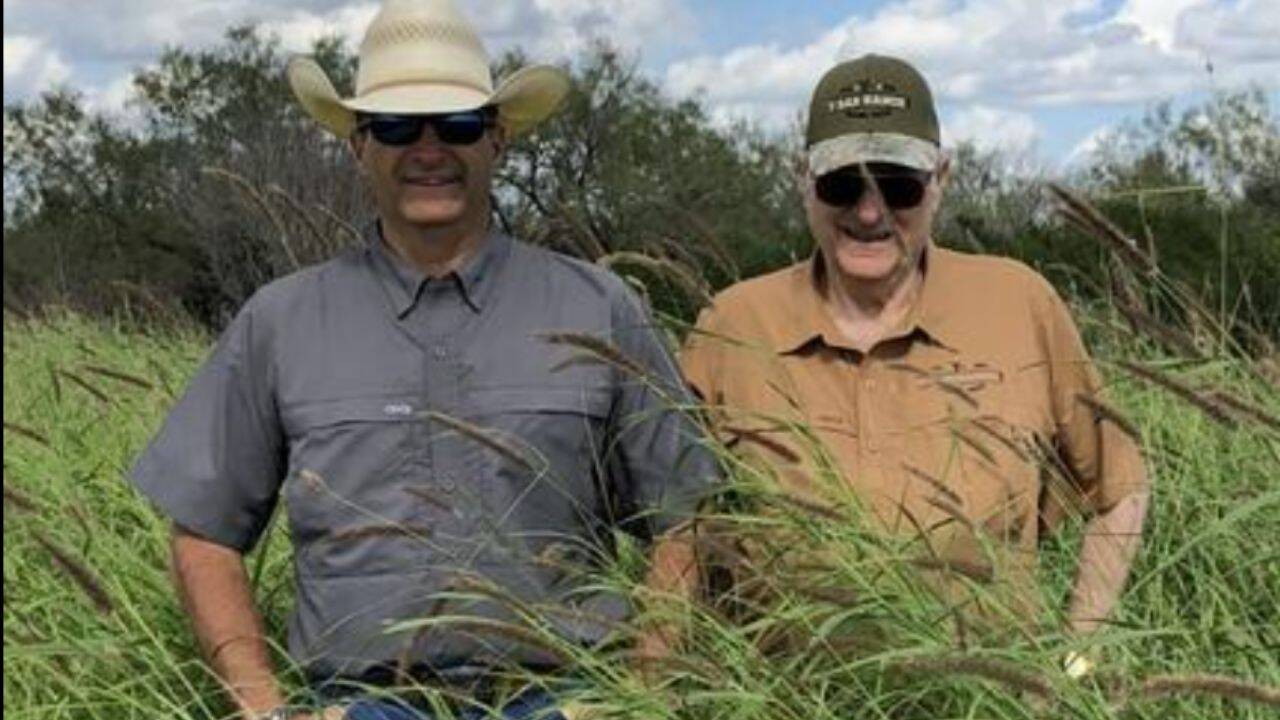
Jim Willis and John Webb purchased a 225-acre overgrazed ranch in Texas in 2000. At the time, the land could barely support cattle due to its poor condition. However, the two friends had a vision to restore the property to its former glory.
They began by introducing native prairie plants, which would eventually provide a habitat for various wildlife species. Additionally, they planted 3,000 sand plum trees, which would serve as a food source and shelter for the animals. A five-acre wetland was also created, providing a water source for the wildlife.
The friends also changed the grazing practices on the ranch, allowing the land to recover from years of overgrazing. This transformation had a significant impact on the local ecosystem, as the property began to attract a variety of wildlife species. Bobwhite quail, grassland birds, deer, ducks, and other animals started to inhabit the area.
The restoration of the ranch also had a positive impact on the surrounding community. Nearby landowners were inspired by the project and decided to join a larger habitat corridor project. This initiative aimed to create a network of connected habitats, allowing wildlife to migrate and thrive in the area.
The success of the project can be attributed to the dedication and hard work of Jim Willis and John Webb. Their efforts demonstrate the importance of conservation and the potential for restoring degraded landscapes. The transformation of the Texas ranch serves as a model for other landowners and conservationists, showcasing the benefits of sustainable land management practices.
The restoration of the ranch has also highlighted the importance of collaboration and community involvement in conservation efforts. By working together, landowners and conservationists can achieve greater results and create a positive impact on the environment.
In conclusion, the restoration of the Texas ranch is a testament to the power of conservation and sustainable land management. The project has not only transformed the property into a thriving wildlife habitat but has also inspired others to join the effort, creating a larger impact on the environment.
The story of Jim Willis and John Webb's restoration project serves as a reminder of the importance of preserving and protecting our natural resources. It demonstrates that with dedication and hard work, it is possible to restore degraded landscapes and create a positive impact on the environment.
The project's success has also shown that conservation efforts can have a positive impact on local communities, inspiring others to take action and work towards a common goal. As the world continues to face environmental challenges, the story of the Texas ranch restoration serves as a model for sustainable land management and conservation practices.
The transformation of the ranch has also highlighted the importance of preserving biodiversity and creating habitats for wildlife. The project has shown that by working together, it is possible to create a positive impact on the environment and preserve the natural beauty of our planet.
In the end, the restoration of the Texas ranch is a story of hope and inspiration, demonstrating that it is possible to make a positive impact on the environment through conservation and sustainable land management practices.
Frequently asked questions
What was the condition of the Texas ranch when it was purchased in 2000?
The ranch was overgrazed and could barely support cattle.
What types of wildlife have returned to the restored ranch?
Bobwhite quail, grassland birds, deer, ducks, and other wildlife have returned to the restored habitat.