India Urges US To Drop Proposed Tariffs
Indian industry opposes US tariffs, citing lack of evidence. Bilateral trade ties at risk.

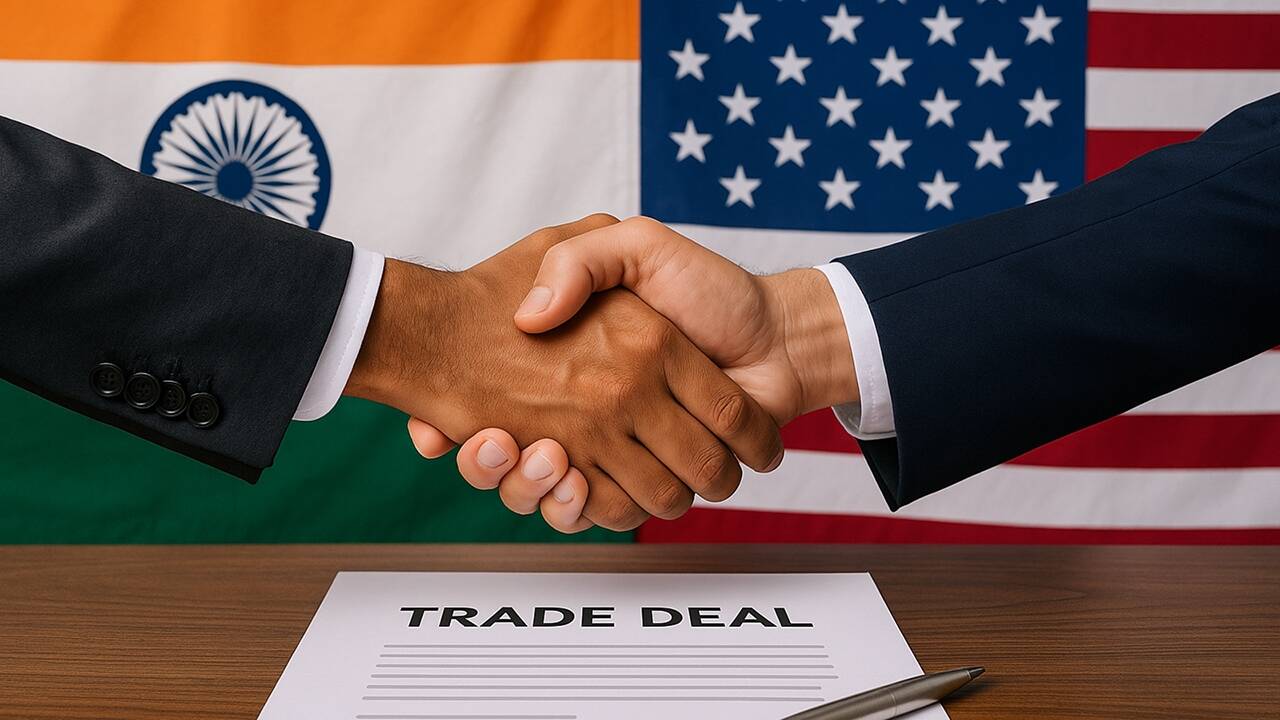
Indian industry leaders have urged the United States Trade Representative (USTR) to reconsider proposed tariffs on Indian goods, citing a lack of evidence linking Indian manufacturing to forced labour practices. The Confederation of Indian Industry (CII) and the Federation of Indian Chambers of Commerce and Industry (Ficci) made separate submissions to the USTR during a public hearing from July 7 to July 9.
The CII argued that there is no credible evidence suggesting Indian production is linked to forced labour inputs, and that imposing additional duties would be unjustified without clear proof of violations. Ficci also requested the US authorities to reconsider the proposed tariff measures, highlighting India's existing legal framework and industry compliance systems.
Both industry bodies warned that imposing additional tariffs could undermine the resilience of India-US supply chains and increase costs for businesses and consumers. They suggested that concerns related to labour practices should be addressed through the India-US Trade Policy Forum, rather than through punitive trade measures.
The Section 301 investigation is part of Washington's broader efforts to examine alleged unfair trade practices and supply chain concerns. However, Indian industry representatives maintained that cooperation and dialogue would be more effective than imposing tariffs. They said India and the US share deep economic ties, with businesses in both countries benefiting from integrated supply chains across sectors.
The CII and Ficci argued that a broad-based tariff approach would fail to differentiate between supply chains that may require closer monitoring and those that already follow established compliance standards. They also raised concerns over the impact of additional duties on bilateral trade ties, warning that it could create uncertainty for exporters and weaken the growth of bilateral commerce.
India's existing legal framework includes laws and mechanisms to prevent labour exploitation, and industry compliance systems are in place to ensure that supply chains are free from forced labour practices. The industry bodies argued that the absence of a specific law or mechanism cannot automatically imply that goods exported from India are produced using forced labour.
The final decision on any tariff action will depend on the outcome of the USTR review process and further consultations with stakeholders. The Indian industry is hopeful that the US will reconsider its proposal and engage in dialogue to address concerns related to labour practices.
The India-US trade relationship is significant, with bilateral trade valued at over $100 billion. The imposition of tariffs could have a negative impact on this relationship, and Indian industry leaders are urging the US to consider the potential consequences of such a move.
In conclusion, the Indian industry's opposition to the proposed tariffs is based on a lack of evidence and a desire to maintain a strong and resilient trade relationship with the US. The industry bodies are hopeful that the US will reconsider its proposal and engage in dialogue to address concerns related to labour practices, rather than imposing punitive trade measures.
The outcome of the USTR review process will be closely watched by Indian industry leaders, who are eager to maintain a stable and predictable trade environment. The US decision will have significant implications for bilateral trade ties and the growth of commerce between the two countries.
The Indian government has also been engaging with the US authorities to address concerns related to labour practices and to highlight India's commitment to preventing labour exploitation. The government has emphasized the importance of cooperation and dialogue in addressing these concerns, rather than relying on punitive trade measures.
Overall, the proposed tariffs on Indian goods have sparked concerns among Indian industry leaders, who are urging the US to reconsider its proposal and engage in dialogue to address concerns related to labour practices. The outcome of the USTR review process will be critical in determining the future of bilateral trade ties between India and the US.
The US decision will also have implications for the global trade environment, as it will set a precedent for how trade disputes are resolved. The Indian industry is hopeful that the US will consider the potential consequences of imposing tariffs and will engage in dialogue to address concerns related to labour practices.
In the end, the Indian industry's opposition to the proposed tariffs is based on a desire to maintain a strong and resilient trade relationship with the US, and to ensure that trade disputes are resolved through cooperation and dialogue, rather than punitive trade measures.