LNG Tankers Resume Transit Through Strait Of Hormuz
LNG tankers restart movement, easing shipping concerns. Five ballast carriers enter Strait.

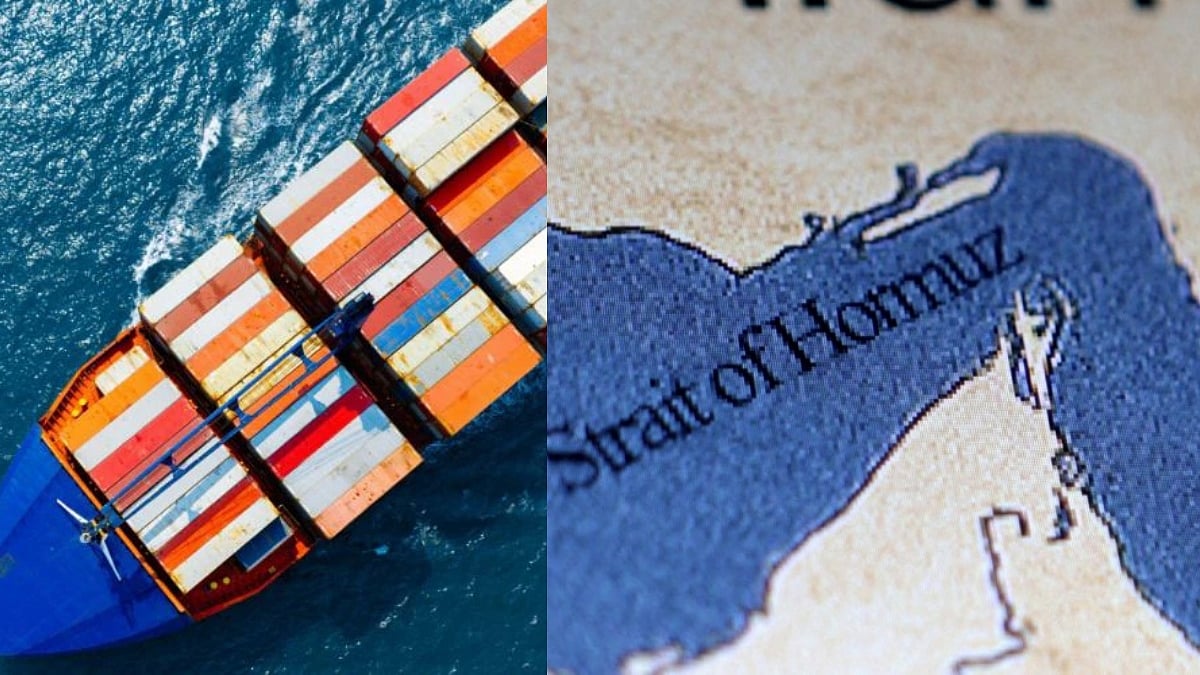
The Strait of Hormuz, a critical global energy route, has seen a cautious revival of commercial shipping activity in recent days. At least five ballast liquefied natural gas (LNG) tankers have resumed movement through the strategically significant waterway, according to ship-tracking data from Kpler and LSEG.
The vessels returning to the route include GasLog Shanghai, operated by Greek shipping company GasLog, and four carriers linked to QatarEnergy — Al Samriya, Al Dafna, Al Gattara, and Al Rayyan. GasLog Shanghai and Al Rayyan likely entered the Strait of Hormuz overnight after being detected outside the waterway on July 9.
The other three QatarEnergy-linked vessels had earlier been tracked near India’s western coast, with Al Samriya and Al Gattara last observed around June 18-19, while Al Dafna was last spotted on June 29. The gradual resumption of LNG traffic comes amid continued monitoring of security risks in the region.
The Strait of Hormuz is a crucial global energy route, handling a significant share of the world’s oil and gas shipments. Japan’s transport ministry reported that 22 Japan-linked vessels, including six very large crude carriers, crossed the Strait of Hormuz and exited the Gulf between July 7 and July 9.
Japan’s Transport Minister Yasushi Kaneko said only four Japan-linked vessels currently remain inside the Gulf. A transport ministry official declined to provide details about safety measures adopted for ships due to security concerns.
The Japan Shipowners’ Association noted that the number of Japan-affiliated vessels operating in the region has dropped sharply since the conflict began. The fleet has declined from 45 vessels carrying around 1,100 crew members to only four ships with approximately 100 crew members.
The Strait of Hormuz continues to remain under close watch by governments, energy companies, and shipping operators as tensions in the Middle East pose risks to global fuel supply chains. The return of LNG carriers suggests that shipping companies are gradually restoring operations while taking a cautious approach and closely assessing the evolving security environment.
The resumption of LNG tanker movement through the Strait of Hormuz is a significant development, indicating a gradual easing of shipping concerns in the region. As the global energy landscape continues to evolve, the Strait of Hormuz will remain a critical chokepoint, with its security and stability closely monitored by stakeholders around the world.
In the broader context, the Strait of Hormuz is a vital artery for global energy trade, with a significant portion of the world’s oil and gas shipments passing through it. The region’s security dynamics have a direct impact on global fuel prices and energy security, making it a critical area of focus for governments, energy companies, and shipping operators.
The cautious revival of commercial shipping activity in the Strait of Hormuz is a welcome development, but it is essential to continue monitoring the security situation in the region. As tensions in the Middle East persist, the stability of global fuel supply chains remains a concern, and the Strait of Hormuz will remain a critical factor in the global energy equation.
In conclusion, the resumption of LNG tanker movement through the Strait of Hormuz is a significant development, indicating a gradual easing of shipping concerns in the region. As the global energy landscape continues to evolve, the Strait of Hormuz will remain a critical chokepoint, with its security and stability closely monitored by stakeholders around the world.