Bone China Origins Revealed
Discover the surprising truth behind bone china's name. Is it really made from bones?
'%3E%3Crect%20width%3D'96'%20height%3D'96'%20fill%3D'%234A235A'%2F%3E%3Ccircle%20cx%3D'30'%20cy%3D'24'%20r%3D'44'%20fill%3D'%23fff'%20opacity%3D'.12'%2F%3E%3Ccircle%20cx%3D'60'%20cy%3D'74'%20r%3D'40'%20fill%3D'%23000'%20opacity%3D'.10'%2F%3E%3C%2Fg%3E%3Cg%20fill%3D'none'%20stroke%3D'%23fff'%20stroke-width%3D'3'%3E%3Ccircle%20cx%3D'48'%20cy%3D'48'%20r%3D'16'%2F%3E%3Cellipse%20cx%3D'48'%20cy%3D'48'%20rx%3D'6.5'%20ry%3D'16'%2F%3E%3Cline%20x1%3D'32'%20y1%3D'42'%20x2%3D'64'%20y2%3D'42'%2F%3E%3Cline%20x1%3D'32'%20y1%3D'54'%20x2%3D'64'%20y2%3D'54'%2F%3E%3C%2Fg%3E%3C%2Fsvg%3E)
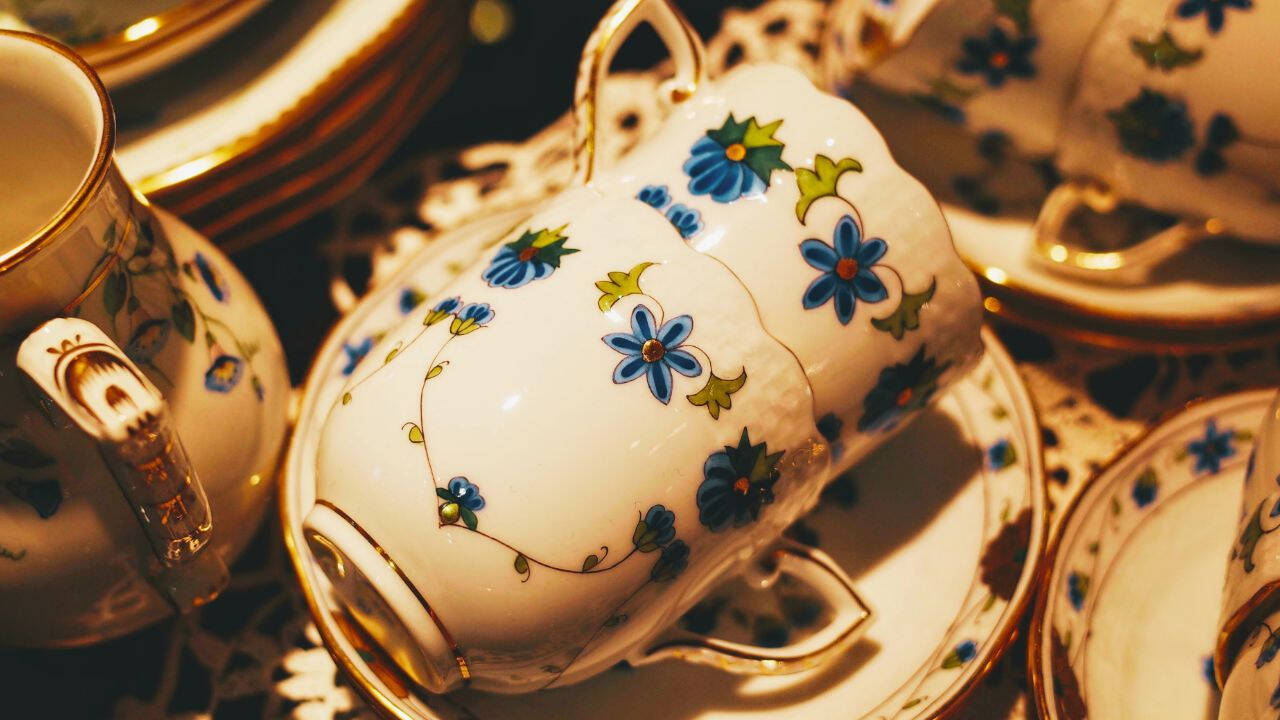
Bone china, a type of porcelain known for its strength and translucency, has long been a subject of curiosity. Many people wonder if it is indeed made from real bones. The answer to this question lies in the history of bone china's production.
Bone china was first developed in England in the 18th century. The name 'bone china' comes from the fact that it is made from a combination of bone ash, feldspathic rock, and kaolin. Bone ash, which is derived from animal bones, is a key component in the production of bone china.
The process of making bone china involves grinding the bone ash into a fine powder and mixing it with other materials. The mixture is then fired at high temperatures to create the distinctive translucent and strong ceramic material. Although bone china does contain bone ash, it does not contain any actual bones. The bone ash is completely dissolved and integrated into the final product.
The use of bone ash in bone china production gives it a unique set of properties. It increases the strength and durability of the ceramic, making it ideal for everyday use. Bone china is also known for its whiteness and translucency, which is due to the presence of bone ash.
In recent years, some manufacturers have started to produce bone china without using animal products. These alternatives use synthetic materials to replicate the properties of bone ash. However, traditional bone china is still widely produced and valued for its quality and craftsmanship.
The history of bone china is closely tied to the development of ceramics in Europe. The discovery of the right combination of materials and firing techniques led to the creation of this unique type of porcelain. Today, bone china is prized by collectors and used in households around the world.
Despite its name, bone china is not made from real bones. Instead, it is made from a combination of materials, including bone ash, which gives it its distinctive properties. The next time you use a piece of bone china, remember the surprising history and craftsmanship that goes into its production.
In conclusion, the origins of bone china are fascinating and complex. From its development in 18th-century England to its modern-day production, bone china has remained a popular and highly valued type of ceramic material. Its unique properties and rich history make it a testament to human ingenuity and craftsmanship.
The significance of bone china extends beyond its functional use as a household item. It represents a connection to the past and a appreciation for traditional craftsmanship. As we continue to develop new materials and technologies, it is essential to remember and appreciate the history and cultural significance of traditional crafts like bone china production.