Maharashtra Eyes Bike-Taxi Rules for Swiggy, Zomato, Amazon
Maharashtra considers new rules for food delivery apps. Will it impact services?
'%3E%3Crect%20width%3D'96'%20height%3D'96'%20fill%3D'%23B3261E'%2F%3E%3Ccircle%20cx%3D'30'%20cy%3D'24'%20r%3D'44'%20fill%3D'%23fff'%20opacity%3D'.12'%2F%3E%3Ccircle%20cx%3D'60'%20cy%3D'74'%20r%3D'40'%20fill%3D'%23000'%20opacity%3D'.10'%2F%3E%3C%2Fg%3E%3Cg%20fill%3D'%23fff'%3E%3Crect%20x%3D'29'%20y%3D'49'%20width%3D'8'%20height%3D'19'%20rx%3D'1'%2F%3E%3Crect%20x%3D'39'%20y%3D'40'%20width%3D'9'%20height%3D'28'%20rx%3D'1'%2F%3E%3Crect%20x%3D'50'%20y%3D'45'%20width%3D'8'%20height%3D'23'%20rx%3D'1'%2F%3E%3Crect%20x%3D'60'%20y%3D'53'%20width%3D'7'%20height%3D'15'%20rx%3D'1'%2F%3E%3Crect%20x%3D'41'%20y%3D'34'%20width%3D'5'%20height%3D'6'%2F%3E%3C%2Fg%3E%3C%2Fsvg%3E)
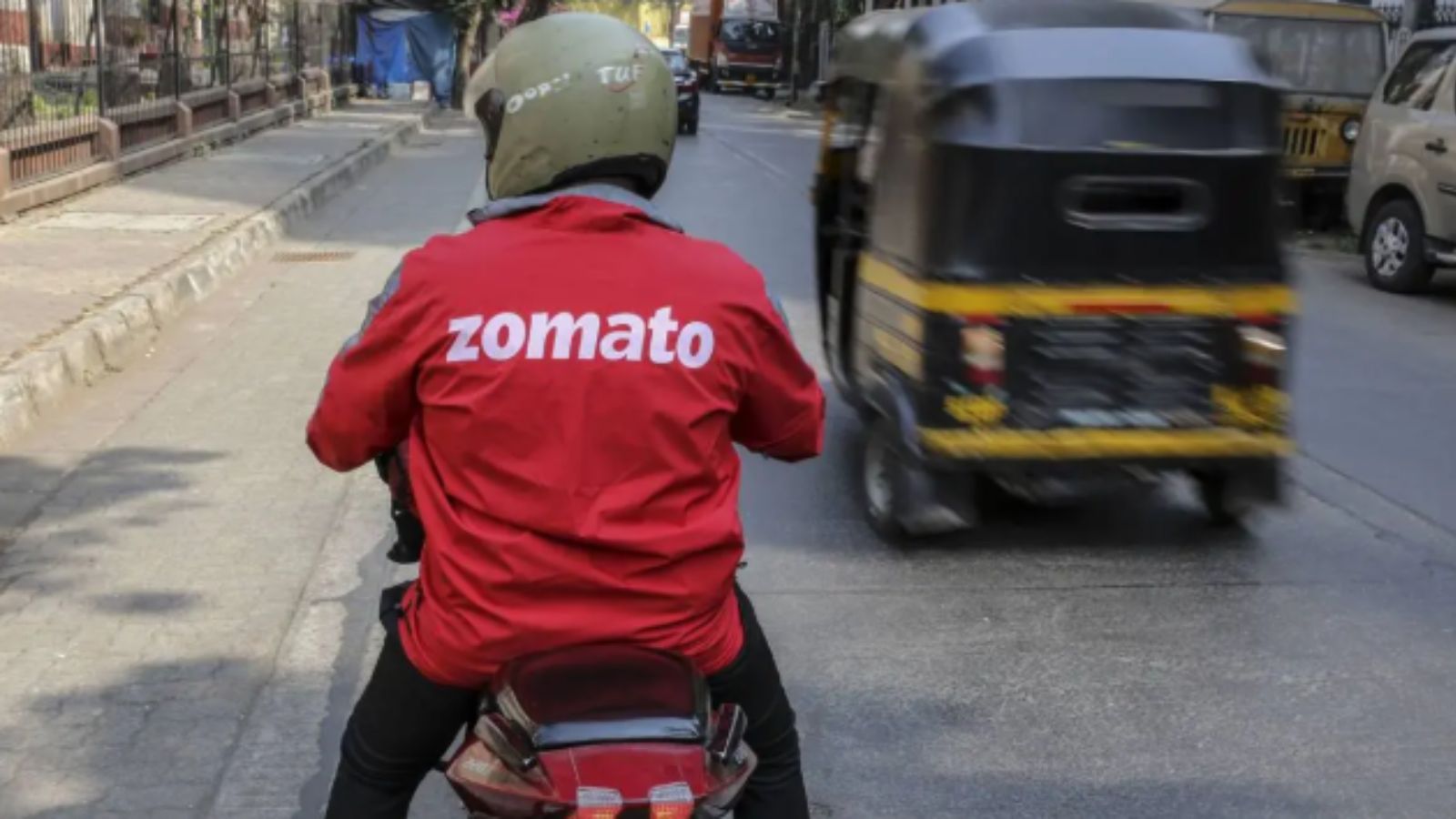
The Maharashtra government is considering bringing food delivery apps such as Swiggy, Zomato, and e-commerce giant Amazon under the bike-taxi rules. This move aims to regulate the growing number of two-wheelers used for delivery purposes in the state.
According to sources, the state government is exploring the possibility of implementing bike-taxi rules to ensure that these delivery services operate within a legal framework. The rules would require these companies to obtain permits and follow specific guidelines, such as wearing uniforms and displaying identification.
The decision to bring these companies under bike-taxi rules is likely to have significant implications for the food delivery and e-commerce industries. It could lead to increased costs for companies, which might be passed on to consumers. On the other hand, it could also improve the working conditions and benefits for delivery personnel.
The bike-taxi rules in Maharashtra are designed to regulate the use of two-wheelers for commercial purposes. The rules require bike-taxi operators to obtain permits, follow traffic rules, and ensure that their vehicles meet certain safety standards. If implemented, these rules would apply to food delivery apps and e-commerce companies that use two-wheelers for delivery purposes.
The Maharashtra government's move is part of a larger effort to regulate the gig economy and ensure that companies operating in this space follow certain guidelines. The government is also considering implementing rules to regulate the working conditions and benefits of gig workers.
The feasibility of bringing Swiggy, Zomato, and Amazon under bike-taxi rules is a topic of debate. While some experts argue that it is legally feasible, others claim that it could be challenged in court. The companies might argue that they are not traditional bike-taxi operators and therefore should not be subject to the same rules.
In recent years, the food delivery and e-commerce industries have grown significantly in Maharashtra, with thousands of two-wheelers being used for delivery purposes. The state government's move to regulate these services is likely to have a major impact on the industry and could set a precedent for other states to follow.
The Maharashtra government's decision to consider bike-taxi rules for food delivery apps and e-commerce companies is a significant development. It highlights the need for regulation in the gig economy and the importance of ensuring that companies operating in this space follow certain guidelines.
In conclusion, the Maharashtra government's move to bring Swiggy, Zomato, and Amazon under bike-taxi rules is a complex issue with significant implications for the food delivery and e-commerce industries. While it is legally feasible, it could be challenged in court, and the companies might argue that they are not traditional bike-taxi operators. The state government's decision is likely to have a major impact on the industry and could set a precedent for other states to follow.
The regulation of the gig economy is a pressing issue, and the Maharashtra government's move is a step in the right direction. It is essential to ensure that companies operating in this space follow certain guidelines and provide fair working conditions and benefits to their employees. The outcome of this decision will be closely watched, and it could have significant implications for the future of the food delivery and e-commerce industries in India.
As the Maharashtra government continues to explore the possibility of implementing bike-taxi rules for food delivery apps and e-commerce companies, it is crucial to consider the potential impact on the industry and the economy. The decision could lead to increased costs for companies, which might be passed on to consumers, or it could improve the working conditions and benefits for delivery personnel. Either way, it is a significant development that highlights the need for regulation in the gig economy.
The Maharashtra government's move is part of a larger effort to regulate the gig economy and ensure that companies operating in this space follow certain guidelines. The government is also considering implementing rules to regulate the working conditions and benefits of gig workers. This is a positive step towards ensuring that the gig economy is fair and equitable for all stakeholders involved.
In the end, the Maharashtra government's decision to consider bike-taxi rules for food delivery apps and e-commerce companies is a significant development that highlights the need for regulation in the gig economy. It is essential to ensure that companies operating in this space follow certain guidelines and provide fair working conditions and benefits to their employees. The outcome of this decision will be closely watched, and it could have significant implications for the future of the food delivery and e-commerce industries in India.
The future of the food delivery and e-commerce industries in India will depend on the outcome of this decision. If the Maharashtra government is successful in implementing bike-taxi rules for food delivery apps and e-commerce companies, it could set a precedent for other states to follow. This could lead to a more regulated gig economy, where companies are required to follow certain guidelines and provide fair working conditions and benefits to their employees.
The Maharashtra government's move is a significant step towards regulating the gig economy. It highlights the need for regulation in this space and the importance of ensuring that companies operating in this space follow certain guidelines. The outcome of this decision will be closely watched, and it could have significant implications for the future of the food delivery and e-commerce industries in India.
In conclusion, the Maharashtra government's decision to consider bike-taxi rules for food delivery apps and e-commerce companies is a complex issue with significant implications for the food delivery and e-commerce industries. While it is legally feasible, it could be challenged in court, and the companies might argue that they are not traditional bike-taxi operators. The state government's decision is likely to have a major impact on the industry and could set a precedent for other states to follow.
What it means for Mumbai and India is that the regulation of the gig economy is a pressing issue that requires attention. The Maharashtra government's move is a step in the right direction, and it highlights the need for regulation in this space. The outcome of this decision will be closely watched, and it could have significant implications for the future of the food delivery and e-commerce industries in India.
Frequently asked questions
What is the Maharashtra government proposing for food delivery apps?
The Maharashtra government is considering bringing food delivery apps such as Swiggy, Zomato, and Amazon under the bike-taxi rules.
Why is the Maharashtra government proposing this regulation?
The regulation aims to improve the working conditions and benefits for delivery personnel and to ensure that companies operating in this space follow certain guidelines.