Nashik Reservoirs Fill Up After Heavy Rain
Heavy rainfall boosts water storage, floodwaters recede. Relief from water cuts likely.

Nashik district has witnessed a significant rise in reservoir levels due to three consecutive days of heavy rainfall, bringing much-needed relief from the threat of water cuts. The Gangapur Dam catchment area received around 100 mm of rainfall, resulting in the dam being 68% full.
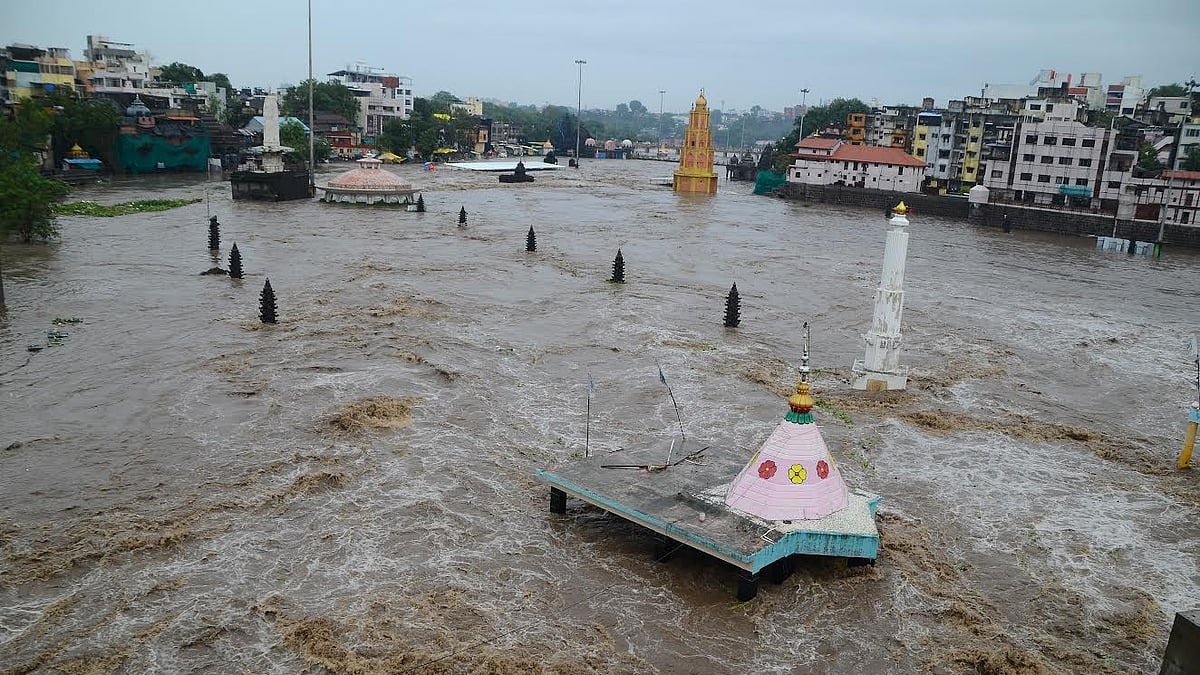
The heavy rainfall caused the Godavari River to flood, despite no water being released from the Gangapur Dam. However, as the rainfall eased on Wednesday afternoon, the floodwaters began to recede. The India Meteorological Department's forecast had predicted torrential rain, which lashed Nashik city and surrounding areas, causing flooding in the Godavari and other rivers.
Low-lying areas such as Panchavati, Satpur, New Nashik, Old Nashik, and Nashik Road experienced severe waterlogging, disrupting normal life. The flooding also caused losses to small riverside businesses. The Nashik Municipal Corporation reported waterlogging at 211 locations and 24 incidents of fallen trees across the city.
Residents of several areas, including Pakhal Road, Wadala Gaon, Pathardi Phata, Satpur, and Panchavati, faced severe hardship as rainwater entered their homes. The administration faced criticism for its response to the situation.
The heavy rainfall has highlighted the need for improved infrastructure in the city. Member of Parliament Rajabhau Waje has urged the Nashik Municipal Corporation to expedite improvements in roads, drainage, sewerage, drinking water supply, healthcare, and sanitation. Waje stressed that both the city and suburban areas require urgent infrastructure upgrades.
The upcoming Simhastha Kumbh Mela has also brought attention to the need for improved infrastructure in the city. Several infrastructure projects are currently underway, but the construction has caused traffic congestion and disruption to normal life.
The rise in reservoir levels is expected to provide relief from the threat of water cuts in the district. The Gangapur Dam is a major source of drinking water for Nashik city, and the increased water storage will help meet the city's water needs.
The situation in Nashik highlights the importance of adequate infrastructure and planning to mitigate the effects of heavy rainfall and flooding. The city's administration must take steps to address the issues faced by residents and ensure that essential civic amenities are provided without delay.
In conclusion, the heavy rainfall in Nashik has brought both relief and challenges to the district. While the rise in reservoir levels is a positive development, the flooding and waterlogging have caused disruption to normal life. The administration must take steps to address the issues faced by residents and ensure that the city is better equipped to handle heavy rainfall and flooding in the future.
The incident also underscores the need for urgent attention to civic infrastructure in Nashik, particularly with the Simhastha Kumbh Mela approaching. It is crucial for the authorities to prioritize the needs of the residents and take proactive measures to prevent such situations in the future.
As the city moves forward, it is essential to focus on sustainable development and infrastructure planning to minimize the impact of heavy rainfall and flooding. This will require a collaborative effort from the administration, residents, and other stakeholders to ensure that Nashik is better equipped to handle such situations in the future.
The significance of this event extends beyond Nashik, as it highlights the importance of infrastructure planning and disaster management in urban areas. As India's cities continue to grow and develop, it is crucial to prioritize the needs of residents and take proactive measures to prevent and mitigate the effects of natural disasters.
In the context of Maharashtra's water management, the rise in reservoir levels in Nashik is a welcome development. The state has been facing water scarcity issues in recent years, and the increased water storage will help meet the needs of the district. However, it is essential to ensure that the water is managed efficiently and effectively to maximize its benefits.
Overall, the heavy rainfall in Nashik has brought attention to the need for improved infrastructure and planning in the city. While the rise in reservoir levels is a positive development, the flooding and waterlogging have caused disruption to normal life. It is crucial for the authorities to prioritize the needs of the residents and take proactive measures to prevent such situations in the future.