NEET Aspirant Dies After Consuming Poison in Satara
18-year-old Samiksha Pawar died after consuming poison, second NEET tragedy in Maharashtra
'%3E%3Crect%20width%3D'96'%20height%3D'96'%20fill%3D'%23B3261E'%2F%3E%3Ccircle%20cx%3D'30'%20cy%3D'24'%20r%3D'44'%20fill%3D'%23fff'%20opacity%3D'.12'%2F%3E%3Ccircle%20cx%3D'60'%20cy%3D'74'%20r%3D'40'%20fill%3D'%23000'%20opacity%3D'.10'%2F%3E%3C%2Fg%3E%3Cg%20fill%3D'%23fff'%3E%3Crect%20x%3D'29'%20y%3D'49'%20width%3D'8'%20height%3D'19'%20rx%3D'1'%2F%3E%3Crect%20x%3D'39'%20y%3D'40'%20width%3D'9'%20height%3D'28'%20rx%3D'1'%2F%3E%3Crect%20x%3D'50'%20y%3D'45'%20width%3D'8'%20height%3D'23'%20rx%3D'1'%2F%3E%3Crect%20x%3D'60'%20y%3D'53'%20width%3D'7'%20height%3D'15'%20rx%3D'1'%2F%3E%3Crect%20x%3D'41'%20y%3D'34'%20width%3D'5'%20height%3D'6'%2F%3E%3C%2Fg%3E%3C%2Fsvg%3E)
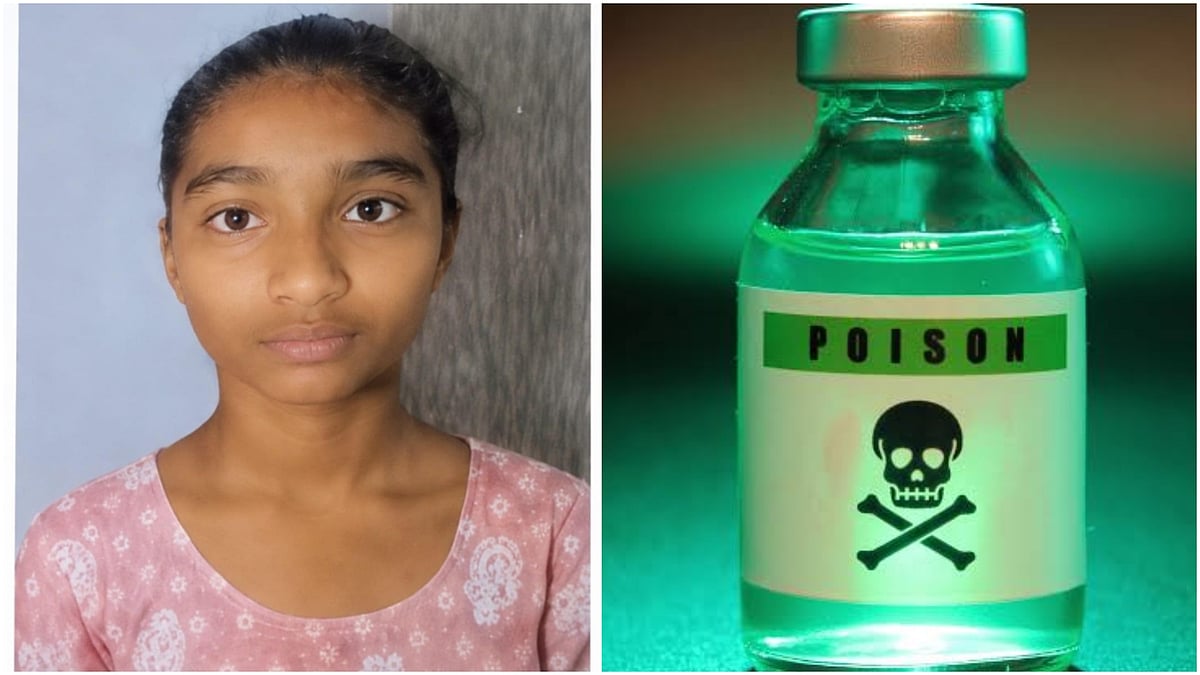
An 18-year-old NEET aspirant, Samiksha Deepak Pawar, from Karad taluka in Satara district died after allegedly consuming poison while battling depression following her examination result. The incident occurred on July 27 at Krishna Hospital in Karad, where she was undergoing treatment.
According to police, Samiksha had appeared for the NEET examination last year and was reportedly under severe emotional stress and depression after failing to clear the exam. On July 23, she allegedly consumed poisonous rat-killing tablets at her home but did not inform her family about the incident immediately.
Two days later, after the poison began affecting her health and she developed severe abdominal pain, Samiksha disclosed the incident to her family. She was rushed to Krishna Hospital on Sunday, July 26, but despite medical treatment, she passed away the following day.
Police have launched an investigation into the case, with further inquiries being carried out by Police Constable Sunil Panhale of the Karad City Police Station. The tragedy comes close on the heels of another similar incident in Maharashtra, where 19-year-old NEET aspirant Ankita Suresh Sangale allegedly died by suicide after failing to secure the qualifying cutoff in the NEET-UG examination.
The two incidents, reported within days of each other, have once again highlighted the immense academic pressure and emotional burden faced by students preparing for highly competitive entrance examinations. Mental health experts have repeatedly stressed the need for stronger counselling support, timely intervention, and open conversations around academic setbacks to help prevent such tragedies.
Samiksha's death is a stark reminder of the mounting mental health challenges faced by students in India. The pressure to perform well in competitive examinations can be overwhelming, and it is essential for parents, educators, and policymakers to recognize the signs of distress and provide adequate support to students.
In recent years, there have been several instances of students taking their own lives due to academic pressure. These incidents have sparked a debate about the need for a more holistic approach to education, one that prioritizes the well-being and mental health of students over academic achievement.
The Maharashtra government has launched several initiatives to promote mental health awareness and provide support to students. However, more needs to be done to address the root causes of academic pressure and ensure that students receive the help they need to cope with stress and anxiety.
As the investigation into Samiksha's death continues, it is essential for the authorities to take a closer look at the factors that contributed to her tragic demise. The incident should serve as a wake-up call for all stakeholders involved in education to work together to create a more supportive and inclusive environment for students.
In conclusion, the death of Samiksha Pawar is a tragic reminder of the devastating consequences of academic pressure and the importance of prioritizing mental health support for students. It is crucial for parents, educators, and policymakers to work together to create a more holistic approach to education, one that values the well-being and mental health of students above academic achievement.
The incident has also raised questions about the need for more effective counselling services and support systems for students. Mental health experts have emphasized the importance of timely intervention and open conversations around academic setbacks to help prevent such tragedies.
As the state mourns the loss of another young life, it is essential to recognize the warning signs of distress and provide adequate support to students. The government, educators, and parents must work together to create a more supportive environment for students, one that prioritizes their well-being and mental health above academic achievement.
The death of Samiksha Pawar is a stark reminder of the need for a more comprehensive approach to addressing academic pressure and promoting mental health awareness. It is essential for all stakeholders involved in education to work together to create a more inclusive and supportive environment for students, one that values their well-being and mental health above academic achievement.
In the end, it is crucial to remember that the life of a student is precious, and it is our collective responsibility to ensure that they receive the support and care they need to thrive. The incident should serve as a catalyst for change, prompting educators, policymakers, and parents to work together to create a more holistic approach to education, one that prioritizes the well-being and mental health of students above academic achievement.
The tragedy has also highlighted the need for more effective communication between parents, educators, and students. It is essential for parents and educators to be aware of the warning signs of distress and to provide adequate support to students who are struggling with academic pressure.
As the investigation into Samiksha's death continues, it is essential for the authorities to take a closer look at the factors that contributed to her tragic demise. The incident should serve as a wake-up call for all stakeholders involved in education to work together to create a more supportive and inclusive environment for students.
In conclusion, the death of Samiksha Pawar is a tragic reminder of the devastating consequences of academic pressure and the importance of prioritizing mental health support for students. It is crucial for parents, educators, and policymakers to work together to create a more holistic approach to education, one that values the well-being and mental health of students above academic achievement.
What it means for Maharashtra is that there is a need for a more comprehensive approach to addressing academic pressure and promoting mental health awareness. The state government must work with educators, parents, and mental health experts to create a more supportive environment for students, one that prioritizes their well-being and mental health above academic achievement.
The incident has also raised questions about the effectiveness of the current education system in addressing the needs of students. It is essential for policymakers to re-examine the education system and make necessary changes to ensure that it is more inclusive and supportive of students.
In the end, it is crucial to remember that the life of a student is precious, and it is our collective responsibility to ensure that they receive the support and care they need to thrive. The incident should serve as a catalyst for change, prompting educators, policymakers, and parents to work together to create a more holistic approach to education, one that prioritizes the well-being and mental health of students above academic achievement.
Frequently asked questions
What happened to the 18-year-old NEET aspirant in Satara?
The 18-year-old NEET aspirant, Samiksha Deepak Pawar, died after consuming poison due to academic pressure and depression.
What is being done to address the issue of academic pressure and mental health challenges in Maharashtra?
The Maharashtra government has launched initiatives to promote mental health awareness and provide support to students, but more needs to be done to address the root causes of academic pressure and ensure that students receive the help they need to cope with stress and anxiety.