Mumbai Fishers Demand Diesel Price Reform
Mumbai fishers seek fuel subsidy, meet Union Minister Piyush Goyal. Soaring diesel prices threaten livelihoods.

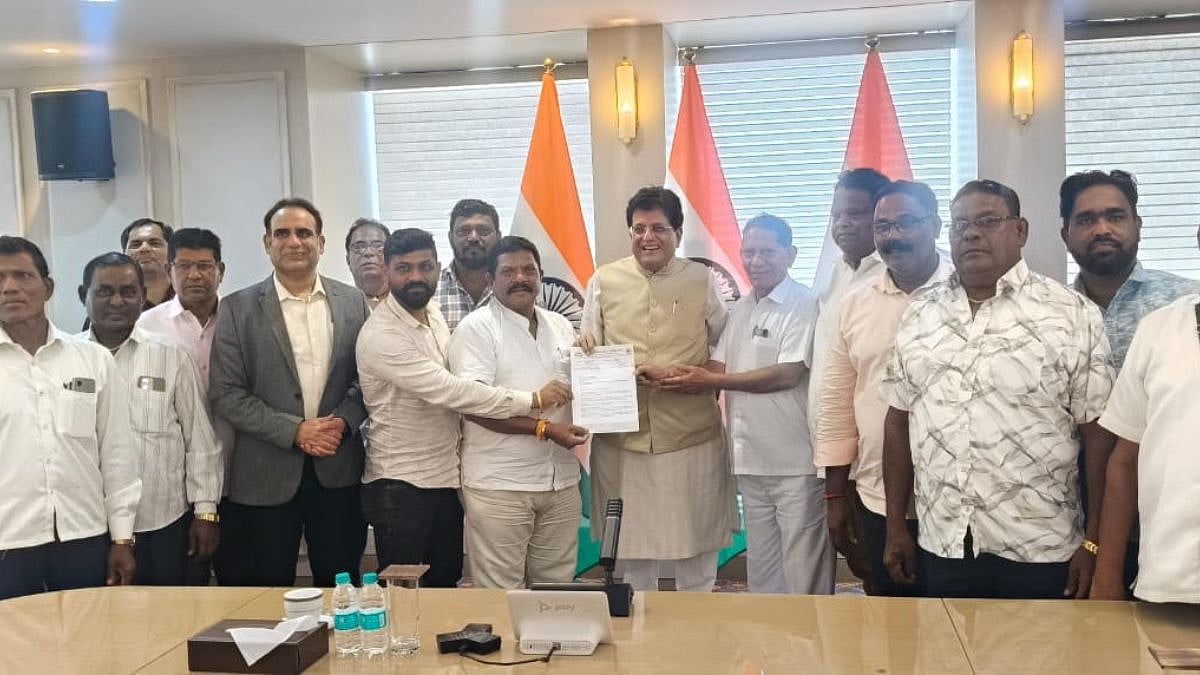
Mumbai's traditional fishing communities have renewed their demand for rationalisation of diesel prices and a permanent fuel subsidy scheme. On Wednesday, a delegation of the National Fishworkers Forum (NFF) and the Maharashtra Machhimar Kruti Samiti (MMKS) met Union Commerce and Industry Minister Piyush Goyal in New Delhi to urge the Centre to address the issue.
The delegation, led by NFF Chairperson Ramkrishna Tandel and MMKS President Leo Colaco, argued that the current diesel prices are threatening the livelihoods of thousands of small-scale fishers across the country. Fishing cooperative societies were placed under the bulk diesel category in March 2026, resulting in diesel prices rising to around Rs 155 per litre, compared with the retail pump price of Rs 90.07 per litre.
This sharp increase has significantly raised operating costs for traditional fishers, many of whom depend on diesel-powered boats for their daily livelihood. The organisations said that similar fuel price issues had emerged in 2012 and 2022, highlighting the need for a long-term policy instead of temporary interventions.
The fishworkers' organisations urged the Centre to formulate a Fisher Welfare Scheme that would ensure subsidised supply of diesel, kerosene and other petroleum products to traditional fishers. MMKS General Secretary Kiran Koli said the demand was not limited to reducing current fuel prices but also aimed at creating a permanent mechanism to protect fishers from future price fluctuations.
According to the organisations, Union Minister Piyush Goyal has acknowledged their concerns and assured them that he would discuss the matter with the Union Ministers handling fisheries and petroleum and work towards resolving the issue through the Fisheries Ministry. Goyal also informed the delegation that his office would remain in touch with representatives of the fishworkers and arrange a meeting with the Union Fisheries Minister.
The fishing community has maintained that affordable fuel is critical for the survival of traditional fishing operations, particularly at a time when operational expenses have increased while earnings remain uncertain. The delegation had earlier raised the issue with Union Petroleum and Natural Gas Minister Hardeep Singh Puri in March this year and submitted representations to Union Fisheries Minister Rajiv Ranjan Singh.
The demand for a permanent fuel subsidy scheme is not new, but the current situation has made it more urgent. The fishing community is hoping that the Centre will take concrete steps to address their concerns and ensure the long-term sustainability of traditional fishing operations.
The issue of diesel prices is not limited to the fishing community, but it has a significant impact on their livelihoods. The Centre's response to the delegation's demands will be crucial in determining the future of traditional fishing operations in the country.
In the context of Mumbai, the demand for a fuel subsidy scheme is particularly relevant. The city's fishing community has been facing numerous challenges, including rising operational costs, declining fish stocks, and increasing competition from large-scale fishing operations. A permanent fuel subsidy scheme could help alleviate some of these pressures and ensure the survival of traditional fishing operations in the city.
The outcome of the meeting between the fishworkers' delegation and Union Minister Piyush Goyal is being closely watched by the fishing community. While the minister's assurances are a positive step, the community is waiting to see concrete actions from the Centre to address their concerns. The demand for a permanent fuel subsidy scheme is likely to continue until the Centre takes decisive steps to address the issue.
In conclusion, the demand for a permanent fuel subsidy scheme by Mumbai's traditional fishing communities is a critical issue that requires urgent attention from the Centre. The community's livelihoods are at stake, and the Centre's response will determine the future of traditional fishing operations in the country. The issue highlights the need for a long-term policy to address the challenges faced by the fishing community and ensure the sustainability of traditional fishing operations.