Bhiwandi Sees 3,292 Dog-Bite Cases in 4 Months
32 people treated for dog bites, civic body's animal control programme under scrutiny
'%3E%3Crect%20width%3D'96'%20height%3D'96'%20fill%3D'%23B3261E'%2F%3E%3Ccircle%20cx%3D'30'%20cy%3D'24'%20r%3D'44'%20fill%3D'%23fff'%20opacity%3D'.12'%2F%3E%3Ccircle%20cx%3D'60'%20cy%3D'74'%20r%3D'40'%20fill%3D'%23000'%20opacity%3D'.10'%2F%3E%3C%2Fg%3E%3Cg%20fill%3D'%23fff'%3E%3Crect%20x%3D'29'%20y%3D'49'%20width%3D'8'%20height%3D'19'%20rx%3D'1'%2F%3E%3Crect%20x%3D'39'%20y%3D'40'%20width%3D'9'%20height%3D'28'%20rx%3D'1'%2F%3E%3Crect%20x%3D'50'%20y%3D'45'%20width%3D'8'%20height%3D'23'%20rx%3D'1'%2F%3E%3Crect%20x%3D'60'%20y%3D'53'%20width%3D'7'%20height%3D'15'%20rx%3D'1'%2F%3E%3Crect%20x%3D'41'%20y%3D'34'%20width%3D'5'%20height%3D'6'%2F%3E%3C%2Fg%3E%3C%2Fsvg%3E)
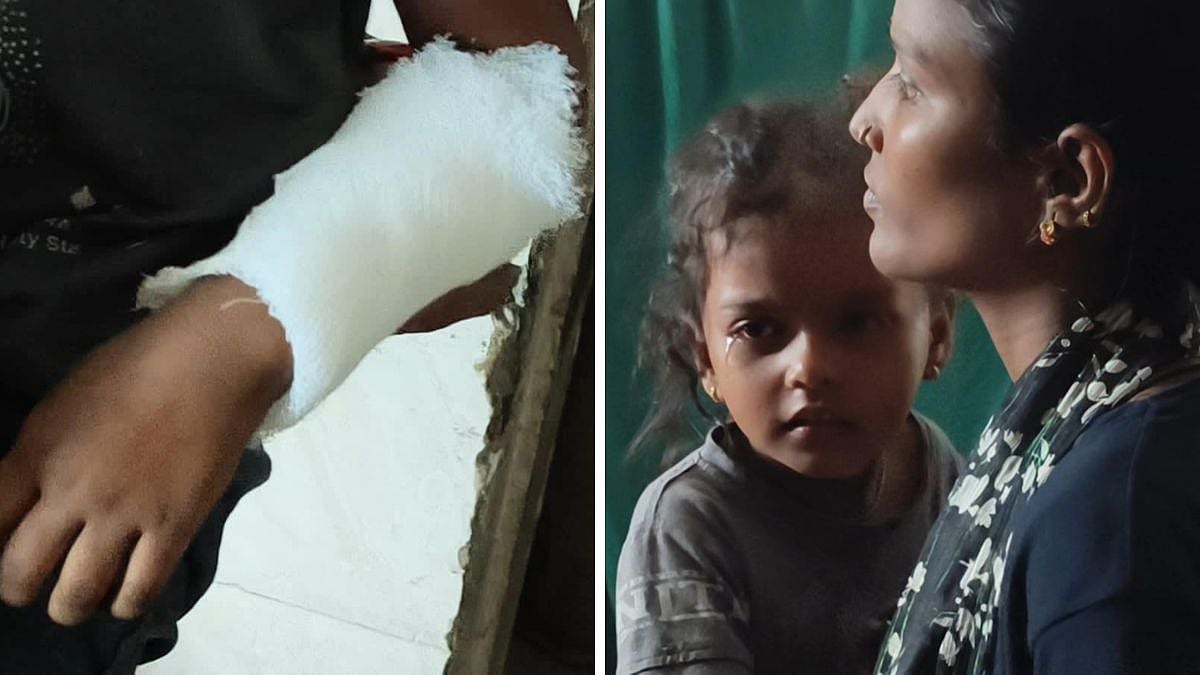
A sudden surge in dog-bite cases has been reported in Bhiwandi, with 32 people admitted to the IGM Sub-District Hospital on Sunday. The incident occurred in Kamatghar, where two children were among those injured and were admitted to the paediatric ward.
According to Dr Madhavi Pedhare of IGM Sub-District Hospital, the children had Category III dog bites and were admitted for treatment. While local reports claimed that a single animal had attacked 32 people, this could not be specifically confirmed.
The incident comes amid a steady number of dog-bite cases being reported across Bhiwandi. According to civic data, 3,292 dog-bite cases were recorded between April and July, with April reporting the highest number. The monthly figures were: April: 1,087, May: 907, June: 656, and July: 642.
The Bhiwandi-Nizampur Municipal Corporation (BNMC) has been working to control the stray dog population through its Animal Birth Control (ABC) programme. The programme was restarted on November 11, 2024, after the facility had remained shut for nearly 12 years. The sterilisation programme has been entrusted to Vets Society for Animal Welfare and Rural Development.
According to the civic administration, Bhiwandi has more than 24,000 stray dogs. Around 7,000-8,000 dogs have so far undergone sterilisation and vaccination, according to civic estimates. The corporation spends around Rs 1,440 on the sterilisation of each dog.
However, questions have been raised over the pace at which sterilisation is being carried out and whether the existing capacity is adequate to address the city's requirements. Animal lover Dipti Deshmukh has raised concerns over the arrangements at the sterilisation centre, alleging that dogs are sometimes released back onto the streets before their surgical wounds have completely healed.
Deshmukh claimed that this could expose the animals to infection and also alleged that some dogs had died after undergoing sterilisation. She further alleged that dogs were not always provided timely food and that adequate post-operative treatment and care were not being provided at the centre.
The BNMC Health Department Assistant Commissioner Faisal Tatli said the civic body does not have an independent facility for treating stray dogs. According to Tatli, dogs taken for sterilisation are kept under observation and, after the required procedure is completed, they are released back into the same location from where they were picked up.
The incident has brought renewed attention to the need for effective animal control measures in Bhiwandi. With thousands of dogs yet to be covered under the programme, the civic body needs to ensure that the sterilisation programme is carried out efficiently and effectively to prevent further dog-bite cases.
The high number of dog-bite cases in Bhiwandi is a cause for concern, and the civic body needs to take immediate action to address the issue. The safety of citizens, especially children, is of utmost importance, and the civic body must ensure that effective measures are in place to prevent such incidents in the future.
In conclusion, the surge in dog-bite cases in Bhiwandi is a serious issue that needs to be addressed immediately. The civic body must work towards increasing the pace of sterilisation and ensuring that adequate post-operative care is provided to the animals. Only then can the city hope to reduce the number of dog-bite cases and ensure the safety of its citizens.
Frequently asked questions
How many dog-bite cases were recorded in Bhiwandi between April and July?
3,292 dog-bite cases were recorded between April and July, with April reporting the highest number.
How many stray dogs are there in Bhiwandi?
According to the civic administration, Bhiwandi has more than 24,000 stray dogs.