US Resumes Military Operations Against Iran
US launches defensive strikes against Iran, citing attacks on vessels in Strait of Hormuz. Trump notifies Congress of renewed military action.
'%3E%3Crect%20width%3D'96'%20height%3D'96'%20fill%3D'%234A235A'%2F%3E%3Ccircle%20cx%3D'30'%20cy%3D'24'%20r%3D'44'%20fill%3D'%23fff'%20opacity%3D'.12'%2F%3E%3Ccircle%20cx%3D'60'%20cy%3D'74'%20r%3D'40'%20fill%3D'%23000'%20opacity%3D'.10'%2F%3E%3C%2Fg%3E%3Cg%20fill%3D'none'%20stroke%3D'%23fff'%20stroke-width%3D'3'%3E%3Ccircle%20cx%3D'48'%20cy%3D'48'%20r%3D'16'%2F%3E%3Cellipse%20cx%3D'48'%20cy%3D'48'%20rx%3D'6.5'%20ry%3D'16'%2F%3E%3Cline%20x1%3D'32'%20y1%3D'42'%20x2%3D'64'%20y2%3D'42'%2F%3E%3Cline%20x1%3D'32'%20y1%3D'54'%20x2%3D'64'%20y2%3D'54'%2F%3E%3C%2Fg%3E%3C%2Fsvg%3E)
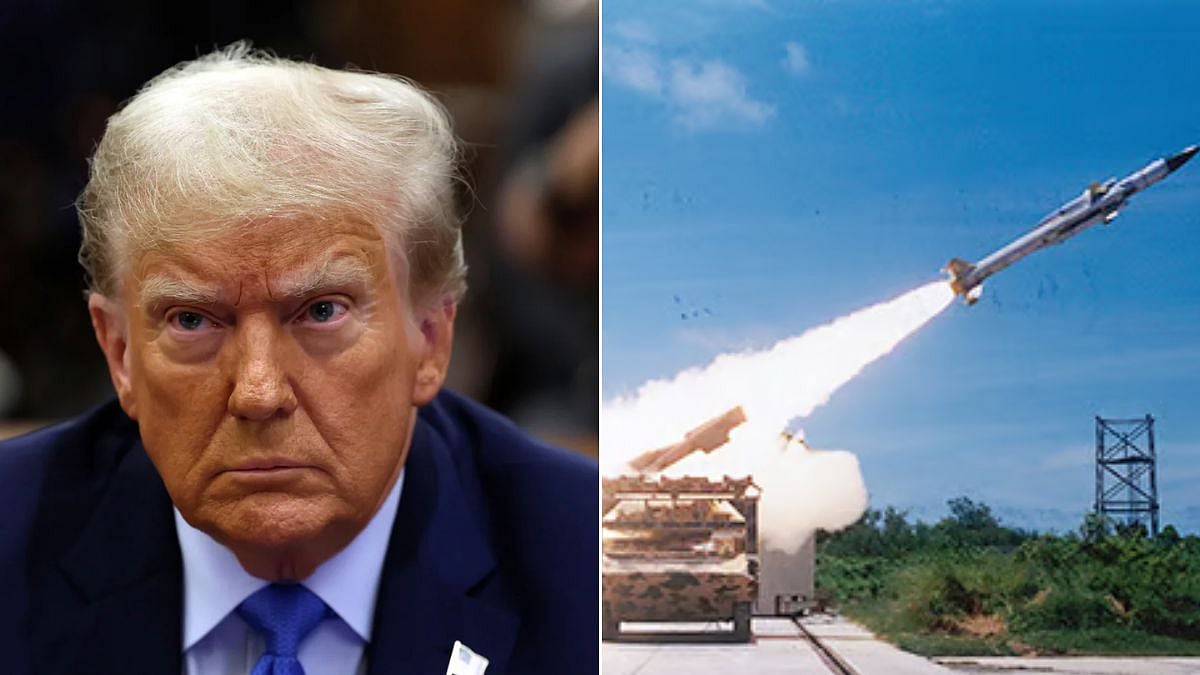
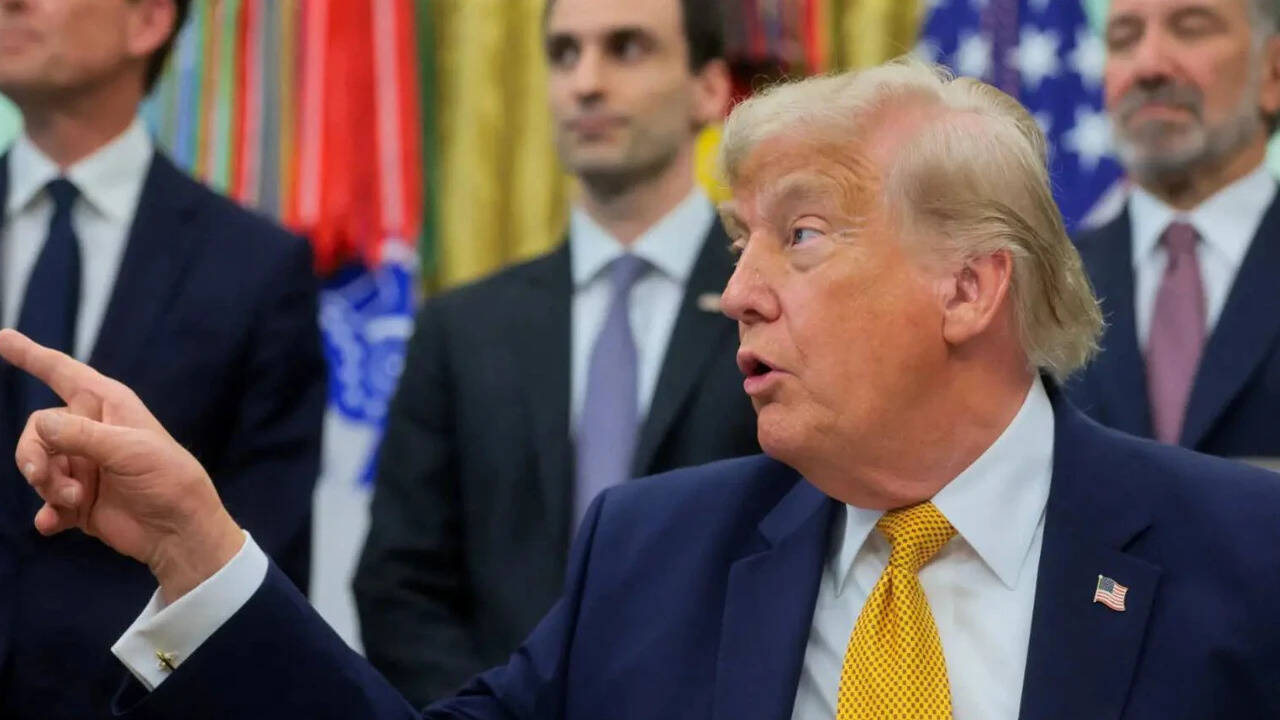
US President Donald Trump has formally notified Congress that American forces have resumed military operations against Iran. The renewed military action began on July 7 and was in response to Tehran's alleged attacks on commercial vessels in the Strait of Hormuz.
According to Trump, the attacks occurred despite a ceasefire and a diplomatic agreement signed last month. In a letter to congressional leaders, Trump stated that Iran had failed to honour its commitments under a Memorandum of Understanding (MOU) signed on June 17. The MOU required Iran to ensure the safe passage of commercial vessels through the Strait of Hormuz.
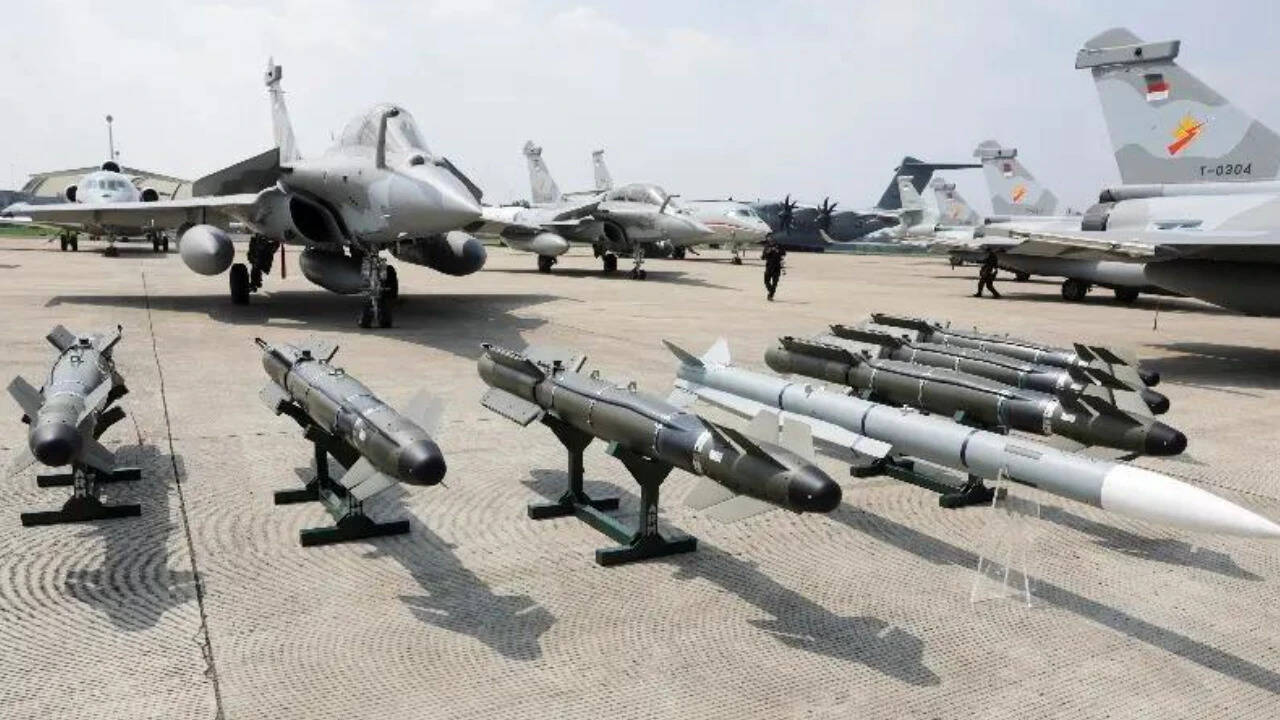
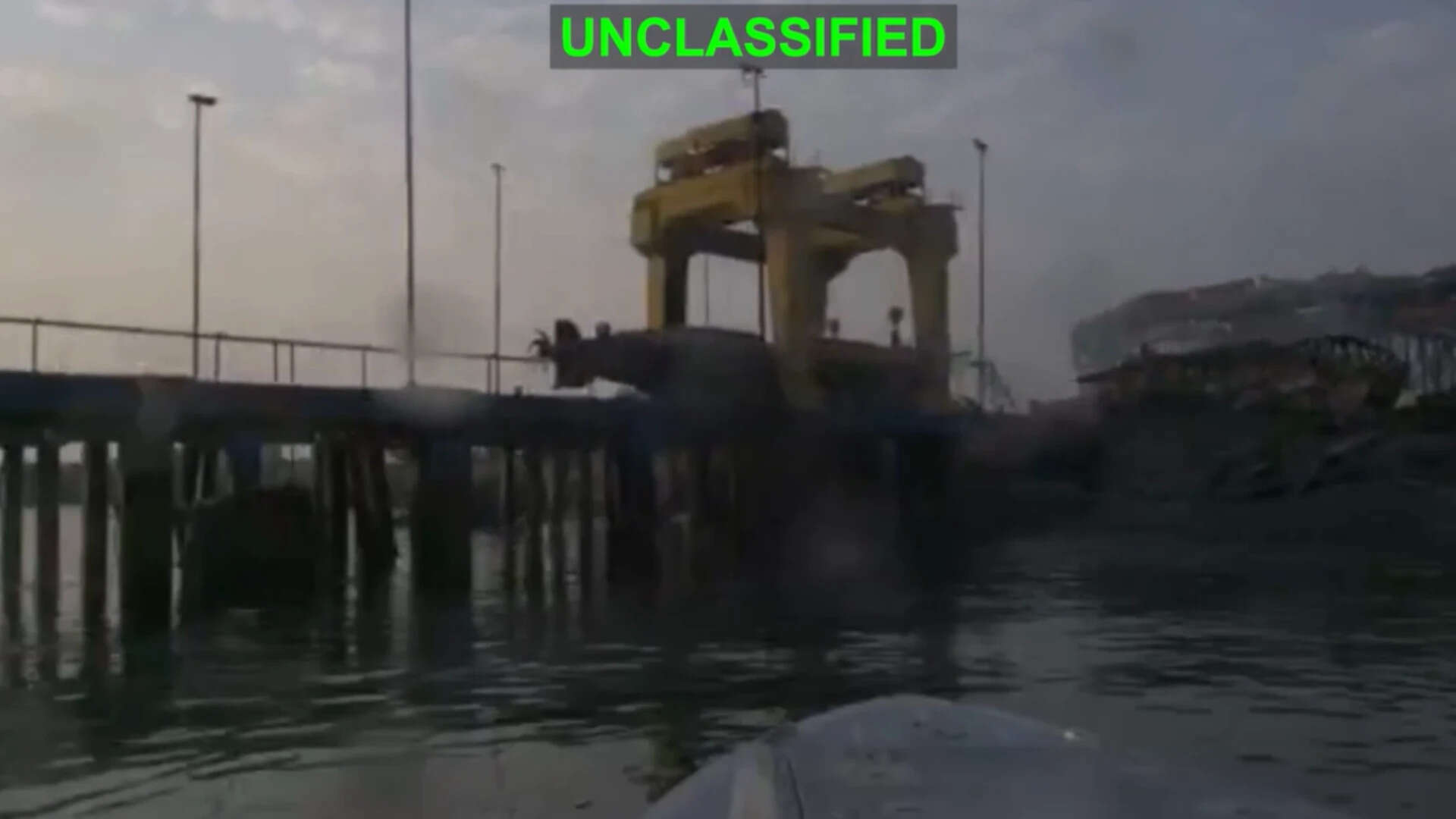
Trump claimed that Iran attacked several neutral-flagged commercial vessels transiting the Strait of Hormuz between July 6-7, 2026. In response, he directed US Armed Forces to launch defensive strikes against missile launch sites, air defences, and military maritime assets inside Iran. The President emphasized that US ground forces are not involved in these strikes and that the operations are designed to minimize civilian casualties.
The strikes are aimed at military capabilities threatening US forces, regional allies, and commercial shipping through the Strait of Hormuz. Trump indicated that military operations could continue, stating that US Armed Forces remain postured to take further action as necessary to address further threats and attacks.
The US President acted under his constitutional authority as Commander in Chief and submitted the notification to keep Congress informed in accordance with the War Powers Resolution. The White House notification comes as lawmakers continue to debate Congress' role in authorising military action against Iran.
The Strait of Hormuz is a critical waterway for international oil trade, and any disruption to shipping in the region could have significant economic implications. The US has been seeking to reassure its allies and partners in the region of its commitment to their security and stability.
The renewed military action against Iran is likely to escalate tensions between the two countries. The US has been imposing economic sanctions on Iran, which has responded with attacks on commercial vessels and oil tankers in the region.
The international community is watching the situation closely, with many countries calling for restraint and diplomacy to resolve the conflict. The US and Iran have been at odds for decades, and the current tensions are a reminder of the complex and challenging nature of their relationship.
The US President's decision to notify Congress of the renewed military action is a significant development, as it highlights the ongoing debate about the role of Congress in authorising military action. The War Powers Resolution requires the President to notify Congress within 48 hours of deploying troops into combat, and Trump's notification is seen as an effort to keep lawmakers informed and involved in the decision-making process.
In conclusion, the US has resumed military operations against Iran, citing attacks on commercial vessels in the Strait of Hormuz. The situation is complex and challenging, with significant implications for regional security and stability. The international community is watching the situation closely, and the US and Iran must work towards a diplomatic solution to resolve their differences and avoid further escalation.