SpiceJet Fined ₹1 Lakh For Deceptive Booking Tactics
SpiceJet fined for misleading digital practices, CCPA imposes penalty
'%3E%3Crect%20width%3D'96'%20height%3D'96'%20fill%3D'%23B3261E'%2F%3E%3Ccircle%20cx%3D'30'%20cy%3D'24'%20r%3D'44'%20fill%3D'%23fff'%20opacity%3D'.12'%2F%3E%3Ccircle%20cx%3D'60'%20cy%3D'74'%20r%3D'40'%20fill%3D'%23000'%20opacity%3D'.10'%2F%3E%3C%2Fg%3E%3Cg%20fill%3D'%23fff'%3E%3Crect%20x%3D'29'%20y%3D'49'%20width%3D'8'%20height%3D'19'%20rx%3D'1'%2F%3E%3Crect%20x%3D'39'%20y%3D'40'%20width%3D'9'%20height%3D'28'%20rx%3D'1'%2F%3E%3Crect%20x%3D'50'%20y%3D'45'%20width%3D'8'%20height%3D'23'%20rx%3D'1'%2F%3E%3Crect%20x%3D'60'%20y%3D'53'%20width%3D'7'%20height%3D'15'%20rx%3D'1'%2F%3E%3Crect%20x%3D'41'%20y%3D'34'%20width%3D'5'%20height%3D'6'%2F%3E%3C%2Fg%3E%3C%2Fsvg%3E)
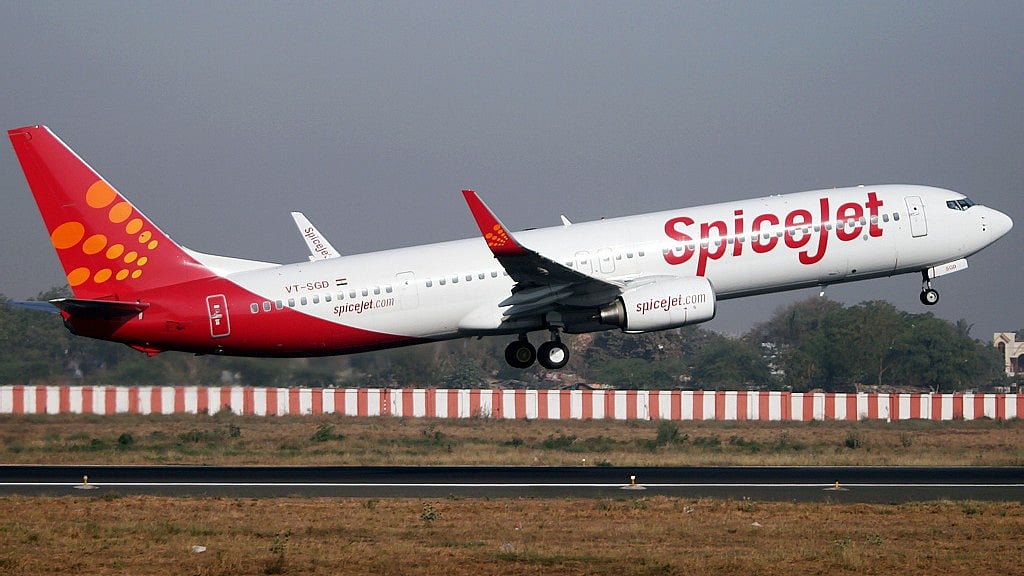
The Central Consumer Protection Authority (CCPA) has imposed a fine of ₹1 lakh on SpiceJet for using deceptive digital tactics on its online flight booking platform.
The CCPA found that SpiceJet used misleading user interface tactics, known as dark patterns, to influence consumer choices and manipulate consent during the ticket purchase process.
The investigation, led by CCPA chief commissioner Nidhi Khare and commissioner Anupam Mishra, revealed that SpiceJet used three distinct categories of prohibited digital design practices on its platform. These practices included forced action, interface interference, and deployment of a trick question, all intended to override explicit passenger choices.
One of the practices included automatically enrolling consumers into the airline's 'SpiceClub Loyalty Programme' via a pre-ticked checkbox, effectively forcing passengers into a membership system without actively choosing to join.
The CCPA also found that SpiceJet used confusing and negatively worded consent language regarding promotional opt-outs, which was intentionally structured to mislead consumers into granting corporate approvals under the guise of standard booking verification.
The CCPA initiated the case after evaluating the airline's digital infrastructure and issued its initial notice to SpiceJet on May 14, 2024. Despite the regulatory warning, the airline failed to immediately align with compliance standards.
When SpiceJet removed the initial pre-ticked loyalty option, it replaced it with another pre-ticked confirmation that automatically presumed passengers preferred to receive promotional messages via SMS, WhatsApp, and email.
The consumer watchdog held that obtaining consent via default settings directly violates Rule 4(9) of the Consumer Protection (E-Commerce) Rules, 2020, which mandates that consumer authorisation must only be secured through explicit, active, and affirmative action.
The CCPA's ruling is a significant step towards protecting consumers from deceptive digital practices in the aviation sector.
The fine imposed on SpiceJet serves as a warning to other airlines and companies to ensure that their digital platforms are transparent and fair to consumers.
This incident highlights the importance of consumer protection and the need for regulatory bodies to monitor and regulate digital practices to prevent unfair trade practices and protect consumer rights.
In the context of the Indian aviation sector, this ruling is a significant development, as it sets a precedent for other airlines to follow and ensures that consumers are protected from deceptive practices.
The CCPA's actions demonstrate its commitment to protecting consumers and promoting fair trade practices in the digital economy.
The implications of this ruling are far-reaching, and it is likely to have a significant impact on the way airlines and other companies design their digital platforms to ensure that they are fair, transparent, and compliant with regulatory requirements.
In conclusion, the fine imposed on SpiceJet by the CCPA is a significant step towards protecting consumers from deceptive digital practices, and it highlights the importance of regulatory bodies in monitoring and regulating digital practices to prevent unfair trade practices and protect consumer rights.