Pune Introduces Penalties For Contractors Over Poor Road Sweeping
Pune Municipal Corporation cracks down on poor road sweeping, introduces penalties for contractors and hires more workers.

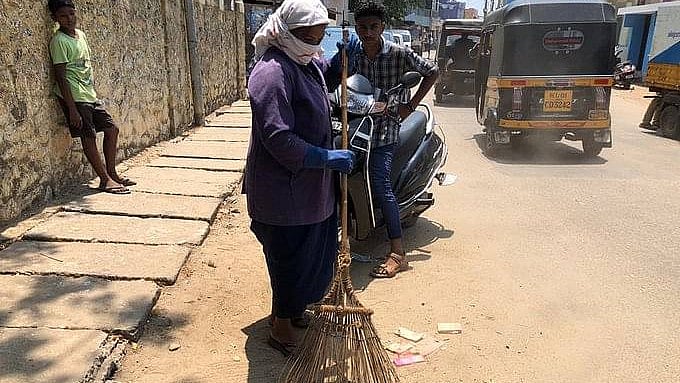
In a significant move to improve the city's sanitation, the Pune Municipal Corporation (PMC) has introduced a graded penalty system for contractors who fail to meet cleanliness standards. This decision comes after a rise in complaints from citizens over poor road sweeping and irregular sanitation services.
The PMC has approved the deployment of 4,709 additional contractual sanitation workers under a three-month pilot project to address the shortfall in the existing sanitation system. The city has 6,508 km of roads requiring regular sweeping, which has been divided into 9,298 sweeping beats.
Standing Committee Chairman Shrinath Bhimale announced the decision, stating that the move was prompted by a steady rise in complaints from citizens. The civic body has been receiving complaints through various channels, including written applications, emails, WhatsApp, helplines, and phone calls.
The rapid urban expansion, increasing population, and newly developed roads have left the existing sanitation system overstretched. To address this issue, the PMC has approved the recruitment of additional workers, nearly doubling the existing workforce of 4,814 sanitation workers engaged in road sweeping.
Under the new system, contractors will be required to resolve complaints within fixed timelines. General complaints must be addressed within 12 hours, urgent complaints within six hours, and emergency complaints within two hours. Contractors will also be required to appoint one supervisor for every 25 workers, one group leader for every eight supervisors, and one manager for each ward.
The PMC will pay contractors an additional ₹13.78 crore per month to cover the cost of the expanded workforce during the pilot phase. Although contractors will not be penalised during the first month of the pilot project, strict action will follow thereafter if sanitation standards are not maintained.
The introduction of a graded penalty system for contractors is a significant step towards ensuring accountability and improving the city's sanitation. Repeated violations will lead to the termination of contracts, making contractors directly responsible for maintaining cleanliness.
The PMC's decision to overhaul the city's road-sweeping system is a response to the growing concerns over poor sanitation in the city. The civic body's efforts to strengthen monitoring and introduce penalties for poor performance are expected to improve the city's cleanliness and provide better services to citizens.
The success of the pilot project will be crucial in determining the effectiveness of the new system. If successful, it could serve as a model for other cities to improve their sanitation services.
In conclusion, the PMC's decision to introduce penalties for contractors over poor road sweeping is a significant step towards improving the city's sanitation. The move is expected to bring about a significant improvement in the city's cleanliness and provide better services to citizens.