1953 CIA Coup Sparks US-Iran Tensions
A 1953 CIA-backed coup in Iran sparked decades of hostility. The event removed Prime Minister Mossadegh and led to economic pressure.

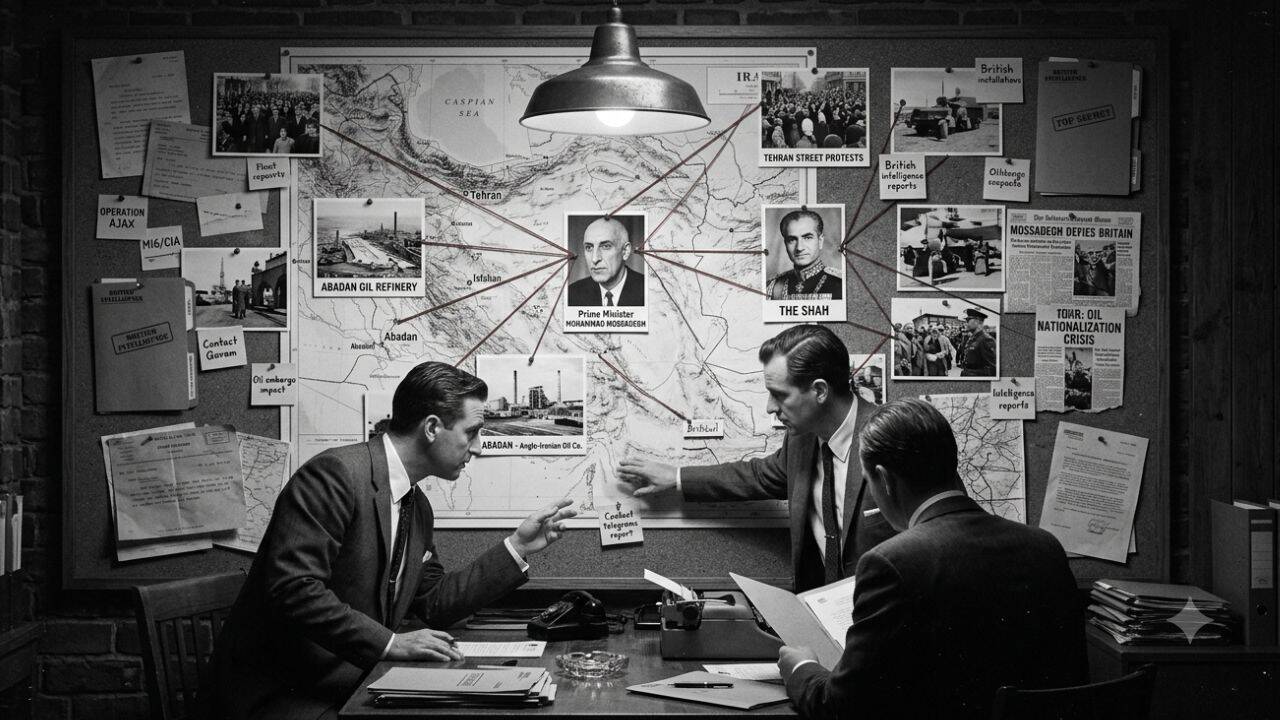
The roots of US-Iran tensions can be traced back to a 1953 CIA-backed coup that overthrew the democratically-elected government of Prime Minister Mohammad Mossadegh in Iran. This pivotal event occurred on August 19, 1953, and marked the beginning of a long and complex history of hostility between the two nations.
The crisis began when Britain, which had controlled Iran's oil industry since 1901, refused to renegotiate the terms of the concession with the Iranian government. This led to a major dispute between the two countries, with Iran eventually nationalizing its oil industry in 1951. The move was deeply unpopular with Britain and the US, which saw it as a threat to their economic and strategic interests in the region.
The CIA-backed coup that followed was designed to remove Mossadegh from power and restore the Shah, Mohammad Reza Pahlavi, to the throne. The Shah's rule, which was heavily supported by the US, was marked by growing opposition and anger among the Iranian people. Many Iranians felt that the Shah's government was corrupt and repressive, and that it was beholden to American interests.
The historical distrust and resentment that grew out of the 1953 coup ultimately fueled the 1979 Iranian Revolution, which saw the Shah overthrown and an Islamic republic established in his place. The subsequent US embassy hostage crisis, in which American diplomats were held captive for 444 days, marked a further low point in relations between the two countries.
Today, tensions between the US and Iran continue to simmer, with disputes over Iran's nuclear program and regional activities remaining major points of contention. The US has imposed strict sanctions on Iran, which have had a devastating impact on the country's economy. Meanwhile, Iran has continued to develop its nuclear capabilities, despite international pressure to abandon its program.
The legacy of the 1953 CIA-backed coup can still be felt in the modern-day tensions between the US and Iran. The event marked a turning point in the history of the region, and its impact continues to be felt today. As the US and Iran navigate their complex and often fraught relationship, it is clear that the wounds of the past will take a long time to heal.
In conclusion, the 1953 CIA-backed coup in Iran was a pivotal event that set the stage for decades of hostility between the US and Iran. The ongoing tensions between the two nations are a reminder that the consequences of historical events can be far-reaching and profound. As the international community continues to grapple with the challenges posed by Iran's nuclear program and regional activities, it is essential to understand the historical context that has shaped the US-Iran relationship.
The US-Iran relationship remains a critical issue in international relations, with significant implications for global security and stability. As the two nations continue to navigate their differences, it is clear that a deeper understanding of the historical context that has shaped their relationship is essential. By examining the events of 1953 and their ongoing impact, we can gain a better understanding of the complex and often fraught relationship between the US and Iran.
In the end, the story of the 1953 CIA-backed coup in Iran serves as a reminder of the enduring power of historical events to shape the present. As the US and Iran look to the future, it is clear that the legacy of the past will continue to play a major role in shaping their relationship.