Funding Cuts Affect 1 Million Women's Aid Access
UN Women reports 1 million women lost aid access due to funding cuts. Women's groups struggle to meet rising demand.

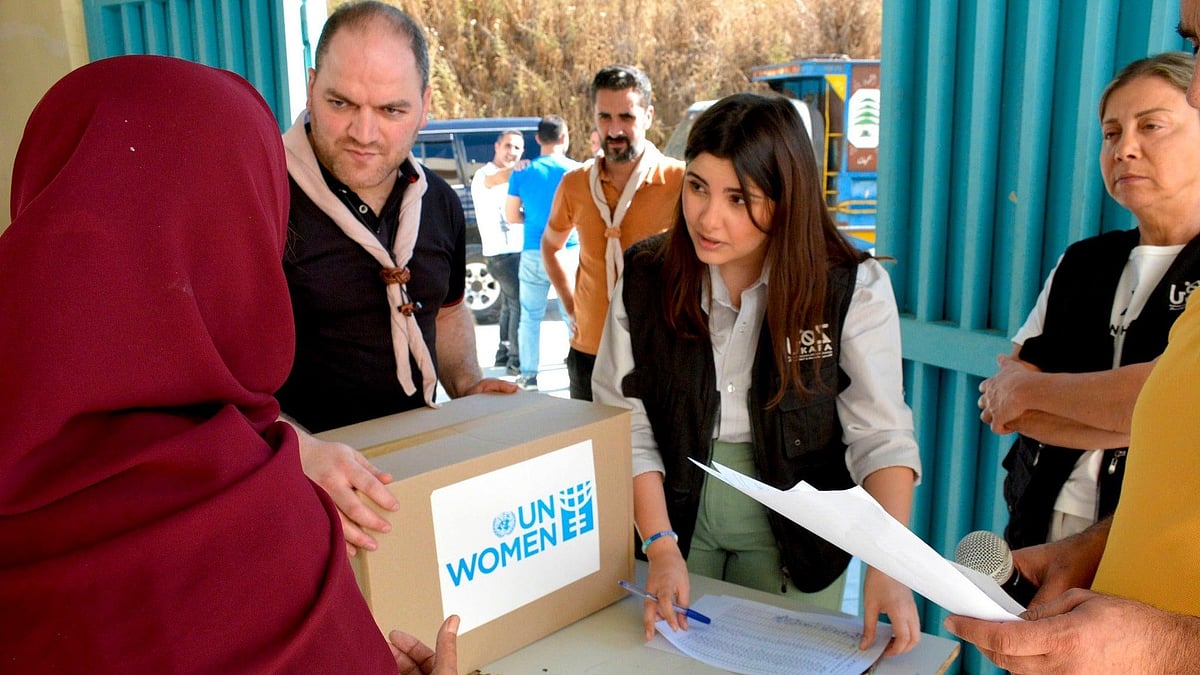
At least 1 million women have lost access to humanitarian assistance and critical support due to budget cuts over the past 18 months, according to UN Women. The agency reported that 84% of women's organisations surveyed saw increased needs since January 2025, when the US, the biggest UN donor, began reducing foreign aid.
Sofia Calltorp, UN Women's chief of humanitarian action, stated that every dollar withdrawn from women's organisations affects survivors of conflict-related sexual violence, displaced mothers, and girls forced out of school. Women's groups are struggling to meet the rising demand, with nearly 90% of surveyed groups unable to meet current needs.
UN Women has spoken to 855 women's organisations in 52 countries, which reported that funding cuts are dismantling their organisations. The agency believes that the 1 million women and girls affected are just the tip of the iceberg. Conflict-related sexual violence has also doubled, according to UN Women.
The Organisation for Economic Cooperation and Development reported that development assistance declined by nearly a quarter last year to USD 174 billion, the biggest annual contraction on record. Calltorp warned that without immediate action, organisations that support women and girls in crisis risk becoming casualties of war.
Many UN organisations have cut jobs and reduced aid programmes worldwide due to funding cuts by major donors like the US. The UN is considering merging UN Women with UNFPA as part of the UN80 reform process.
The funding cuts have severe consequences for women's organisations, which are struggling to provide essential services. The situation is dire, with one in five women's groups expecting to shut down temporarily or permanently within the next year.
The decline in development assistance has far-reaching implications for global humanitarian efforts. The reduction in aid programmes and services will exacerbate the existing challenges faced by women and girls in crisis situations.
The international community must take immediate action to address the funding crisis and ensure that women's organisations receive the necessary support to continue their critical work. The consequences of inaction will be devastating, with millions of women and girls affected by conflict, displacement, and poverty.
In conclusion, the funding cuts have severe consequences for women's access to humanitarian assistance and critical support. The international community must act swiftly to address the crisis and ensure that women's organisations receive the necessary funding to continue their essential work.