Fadnavis Pushes Mumbai Building Redevelopment
Maharashtra CM accelerates redevelopment, calls for policy changes. Mumbai buildings affected by airport zone restrictions to be redeveloped.

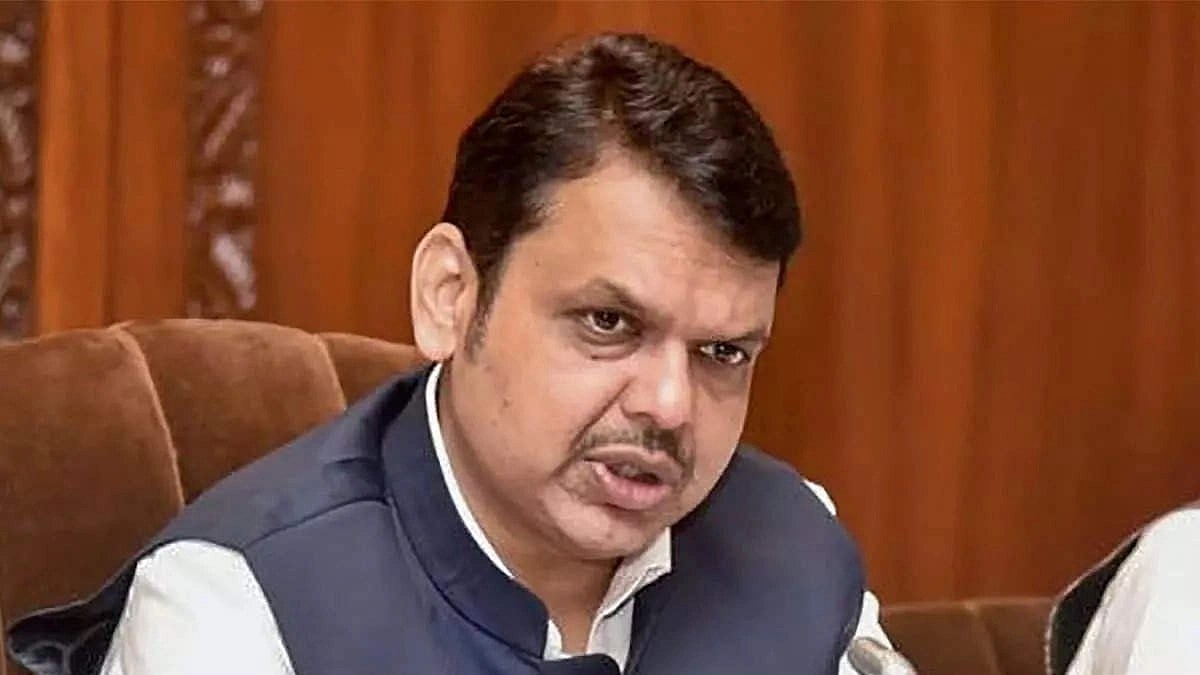
Maharashtra Chief Minister Devendra Fadnavis has directed authorities to speed up the redevelopment of buildings in Mumbai that are affected by restrictions in the Chhatrapati Shivaji Maharaj International Airport funnel zone and the Juhu Military Transmission Station.
The Chief Minister chaired a review meeting at Vidhan Bhavan, where he instructed the Brihanmumbai Municipal Corporation (BMC) to finalize a policy on the utilization of Floor Space Index (FSI) potential for redevelopment projects in the restricted funnel zone.
Fadnavis asked the BMC to examine whether additional FSI could be clubbed with adjoining or nearby developments, similar to the mechanism adopted in road widening projects. He also called for granting higher FSI based on road width to make redevelopment of affected properties financially viable.
The Chief Minister directed officials to undertake comprehensive mapping of all buildings impacted by funnel zone restrictions and speed up redevelopment proposals for structures affected by the Juhu Military Transmission Station restrictions.
He emphasized that the Urban Development Department should coordinate redevelopment across agencies, including the Slum Rehabilitation Authority (SRA), MHADA, and CIDCO, to ensure timely implementation.
The review meeting was attended by several senior officials, including Cultural Affairs Minister Ashish Shelar, Minister of State for Urban Development Madhuri Misal, and BMC Commissioner Ashwini Bhide.
The redevelopment of old buildings in Santacruz, Vile Parle, and Kurla, which fall within the airport funnel zone, is a priority for the state government.
The airport funnel zone restrictions have been a major hurdle for redevelopment projects in these areas, and the state government's push for policy changes is expected to make such projects commercially viable.
The Urban Development Department will play a key role in coordinating redevelopment across agencies, ensuring that the projects are implemented in a timely manner.
The redevelopment of buildings in Mumbai is a crucial aspect of the city's infrastructure development, and the state government's efforts to accelerate the process are expected to have a positive impact on the city's real estate market.
The Chief Minister's directive to grant higher FSI based on road width is also expected to make redevelopment projects more financially viable, which could lead to an increase in the number of redevelopment projects in the city.
Overall, the state government's push for redevelopment of buildings in Mumbai is a significant step towards improving the city's infrastructure and making it more livable for its residents.
The redevelopment of old buildings will not only improve the aesthetic appeal of the city but also provide better living conditions for its residents.
As the city continues to grow and develop, the need for redevelopment of old buildings will become increasingly important, and the state government's efforts to accelerate the process are a step in the right direction.
In the coming years, Mumbai is expected to see a significant increase in redevelopment projects, which will not only improve the city's infrastructure but also provide a boost to the real estate market.
The state government's push for redevelopment is also expected to have a positive impact on the city's economy, as it will create new job opportunities and stimulate economic growth.
In conclusion, the Maharashtra Chief Minister's directive to accelerate the redevelopment of buildings in Mumbai is a significant step towards improving the city's infrastructure and making it more livable for its residents.
The state government's efforts to make redevelopment projects commercially viable are expected to have a positive impact on the city's real estate market and economy, and the city is expected to see a significant increase in redevelopment projects in the coming years.
The redevelopment of old buildings in Mumbai is a crucial aspect of the city's infrastructure development, and the state government's push for policy changes is expected to make such projects more financially viable and attractive to developers.
As the city continues to grow and develop, the need for redevelopment of old buildings will become increasingly important, and the state government's efforts to accelerate the process are a step in the right direction.
The Chief Minister's directive is a significant step towards making Mumbai a more livable city, and the state government's efforts to improve the city's infrastructure are expected to have a positive impact on the city's residents and economy.
The redevelopment of buildings in Mumbai is a complex process that requires coordination across agencies, and the state government's efforts to streamline the process are expected to make it more efficient and effective.
In the coming years, Mumbai is expected to see a significant transformation, with old buildings being redeveloped into modern and sleek structures that will improve the aesthetic appeal of the city and provide better living conditions for its residents.
The state government's push for redevelopment is a significant step towards achieving this vision, and the city is expected to become a more livable and attractive place for its residents and visitors.
The Chief Minister's directive to accelerate the redevelopment of buildings in Mumbai is a significant step towards improving the city's infrastructure and making it more livable for its residents, and the state government's efforts to make redevelopment projects commercially viable are expected to have a positive impact on the city's real estate market and economy.