Uruguay Sees Return of Peccaries After 100 Years
Peccaries return to Uruguay, Conservation effort succeeds, Species reestablished
'%3E%3Crect%20width%3D'96'%20height%3D'96'%20fill%3D'%23B3261E'%2F%3E%3Ccircle%20cx%3D'30'%20cy%3D'24'%20r%3D'44'%20fill%3D'%23fff'%20opacity%3D'.12'%2F%3E%3Ccircle%20cx%3D'60'%20cy%3D'74'%20r%3D'40'%20fill%3D'%23000'%20opacity%3D'.10'%2F%3E%3C%2Fg%3E%3Cg%20fill%3D'%23fff'%3E%3Crect%20x%3D'29'%20y%3D'49'%20width%3D'8'%20height%3D'19'%20rx%3D'1'%2F%3E%3Crect%20x%3D'39'%20y%3D'40'%20width%3D'9'%20height%3D'28'%20rx%3D'1'%2F%3E%3Crect%20x%3D'50'%20y%3D'45'%20width%3D'8'%20height%3D'23'%20rx%3D'1'%2F%3E%3Crect%20x%3D'60'%20y%3D'53'%20width%3D'7'%20height%3D'15'%20rx%3D'1'%2F%3E%3Crect%20x%3D'41'%20y%3D'34'%20width%3D'5'%20height%3D'6'%2F%3E%3C%2Fg%3E%3C%2Fsvg%3E)
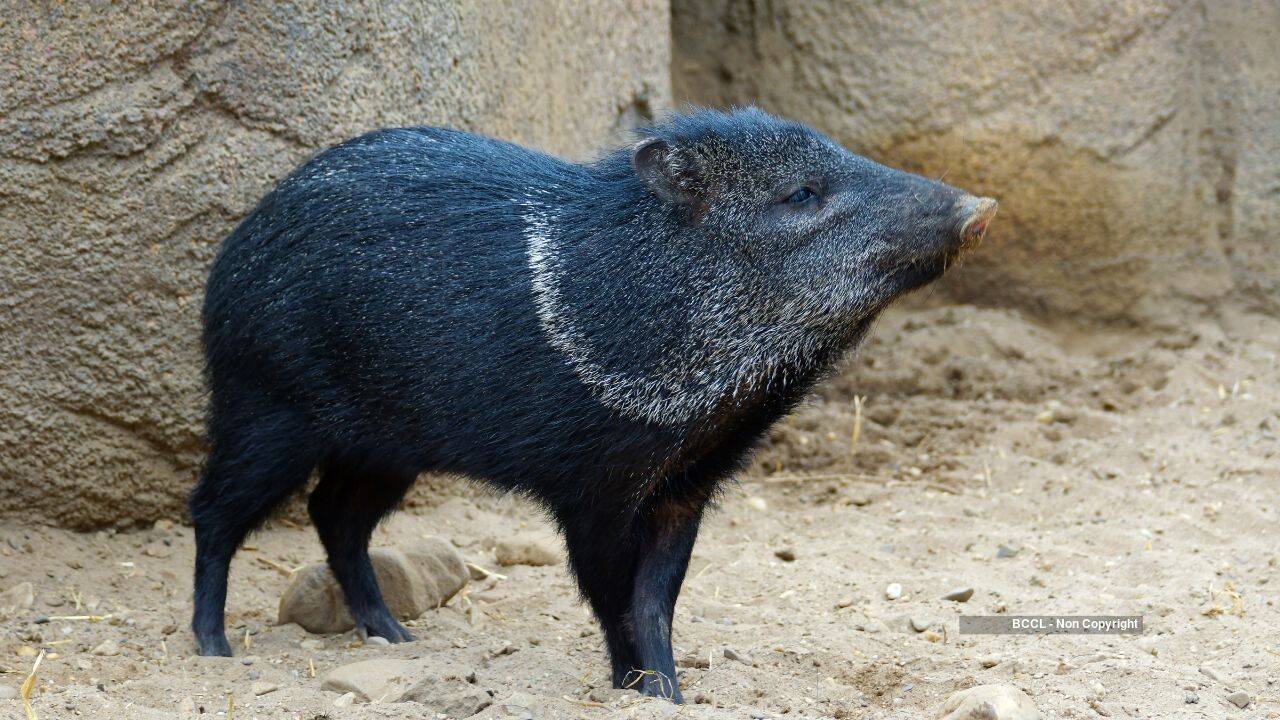
Collared peccaries have made a remarkable comeback in Uruguay, returning to the country after a century-long absence. The species had disappeared from the region in the late 1800s due to excessive hunting and habitat loss. However, a dedicated reintroduction program initiated around the year 2000 has finally borne fruit.
The conservation effort, which spanned 17 years, involved careful planning and execution to ensure the successful reestablishment of the species. The use of camera traps and the presence of young animals in the area confirm that the peccaries are indeed thriving and establishing themselves once again in their former habitat.
The reintroduction program aimed to restore the ecological balance and biodiversity in Uruguay. By bringing back the peccaries, conservationists hope to revitalize the ecosystem and promote a healthier environment. The return of the species is a significant milestone in the country's conservation efforts and underscores the importance of sustained and dedicated initiatives to protect and preserve wildlife.
The disappearance of peccaries from Uruguay had a profound impact on the local ecosystem. As a key species, they played a vital role in maintaining the balance of nature. Their absence was felt throughout the food chain, and their return is expected to have a positive ripple effect on the environment.
The success of the reintroduction program can be attributed to the collaborative efforts of conservationists, researchers, and local communities. The program involved extensive research, planning, and monitoring to ensure that the reintroduced species would thrive in their new environment.
The return of the peccaries to Uruguay serves as a testament to the power of conservation efforts. It highlights the importance of protecting and preserving wildlife and their habitats. The story of the peccaries' comeback is a inspiring example of what can be achieved through dedication, hard work, and a commitment to conservation.
The reintroduction of the peccaries is also expected to have economic benefits for the local community. Ecotourism is likely to increase, as visitors flock to catch a glimpse of the elusive species. This, in turn, will create new opportunities for employment and revenue generation.
In conclusion, the return of the peccaries to Uruguay is a significant conservation success story. It demonstrates the importance of sustained efforts to protect and preserve wildlife and their habitats. The story of the peccaries' comeback serves as a reminder of the power of conservation and the need to continue working towards protecting our planet's precious biodiversity.
The successful reintroduction of the peccaries in Uruguay has far-reaching implications for conservation efforts globally. It highlights the importance of collaborative efforts, careful planning, and dedication to achieving conservation goals. As the world continues to grapple with the challenges of biodiversity loss and ecosystem degradation, the story of the peccaries' return serves as a beacon of hope and inspiration for conservationists and researchers around the world.
The return of the peccaries to Uruguay is a milestone achievement in the country's conservation history. It marks a significant step forward in the efforts to restore ecological balance and promote biodiversity in the region. As the species continues to thrive, it is likely to have a positive impact on the local ecosystem and contribute to the overall health of the environment.
In the end, the story of the peccaries' comeback is a powerful reminder of the importance of conservation and the need to protect our planet's precious wildlife and their habitats. It serves as a testament to the power of human dedication and the impact that sustained conservation efforts can have on the environment.
Frequently asked questions
When did peccaries disappear from Uruguay?
Peccaries disappeared from Uruguay in the late 1800s due to hunting and habitat loss.
What was the goal of the reintroduction program?
The goal of the reintroduction program was to restore ecological functions and biodiversity in Uruguay.