California Nutria Rodents Reappear After Eradication
Nutria rodents thought to be eradicated in California have reappeared, DNA suggests human reintroduction.
'%3E%3Crect%20width%3D'96'%20height%3D'96'%20fill%3D'%23B3261E'%2F%3E%3Ccircle%20cx%3D'30'%20cy%3D'24'%20r%3D'44'%20fill%3D'%23fff'%20opacity%3D'.12'%2F%3E%3Ccircle%20cx%3D'60'%20cy%3D'74'%20r%3D'40'%20fill%3D'%23000'%20opacity%3D'.10'%2F%3E%3C%2Fg%3E%3Cg%20fill%3D'%23fff'%3E%3Crect%20x%3D'29'%20y%3D'49'%20width%3D'8'%20height%3D'19'%20rx%3D'1'%2F%3E%3Crect%20x%3D'39'%20y%3D'40'%20width%3D'9'%20height%3D'28'%20rx%3D'1'%2F%3E%3Crect%20x%3D'50'%20y%3D'45'%20width%3D'8'%20height%3D'23'%20rx%3D'1'%2F%3E%3Crect%20x%3D'60'%20y%3D'53'%20width%3D'7'%20height%3D'15'%20rx%3D'1'%2F%3E%3Crect%20x%3D'41'%20y%3D'34'%20width%3D'5'%20height%3D'6'%2F%3E%3C%2Fg%3E%3C%2Fsvg%3E)
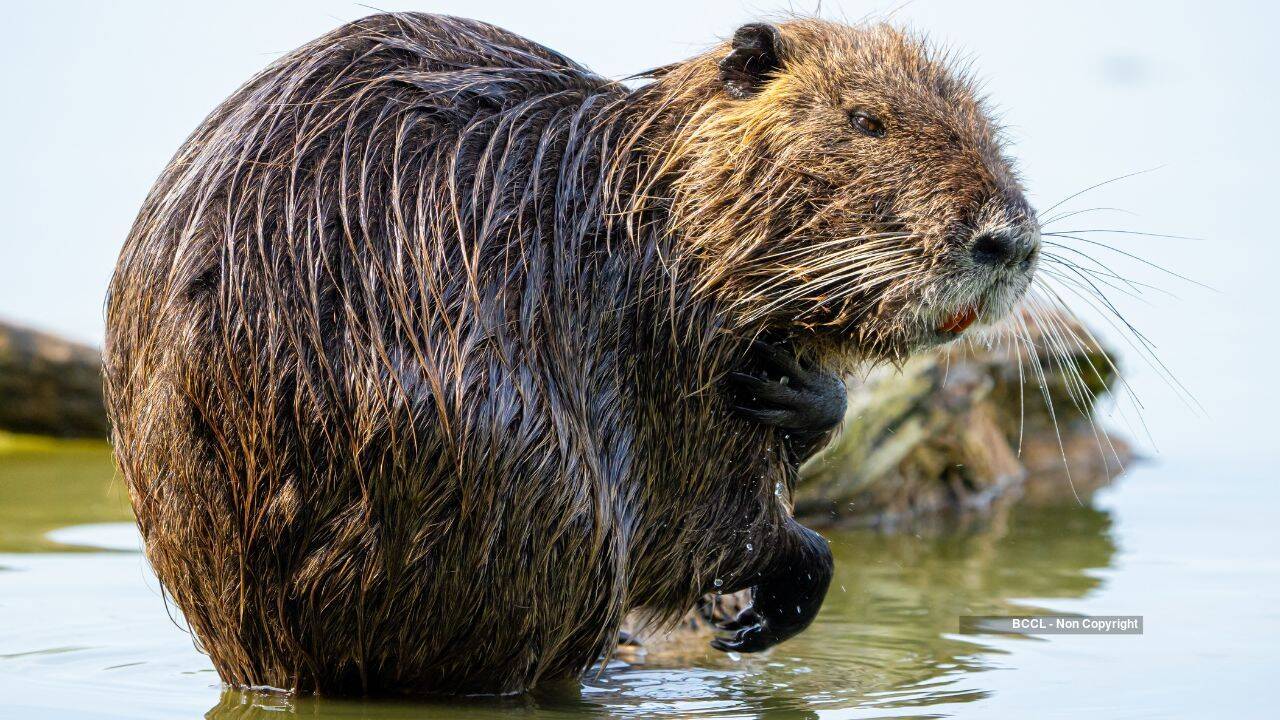
A species of large rodent, known as nutria, was believed to have been completely eradicated in California. However, they have recently reappeared in the Central Valley region. A new genetic study has revealed that these rodents were likely reintroduced by humans, rather than naturally repopulating the area.
The nutria, which can weigh up to 20 pounds, are known to cause significant ecological and agricultural harm. Their feeding and burrowing habits can damage wetlands and weaken vital flood control structures, leading to potentially disastrous consequences.
The initial eradication efforts were thought to have been successful, but the reappearance of the nutria has highlighted the need for ongoing prevention and removal efforts. The California authorities had believed that the species was no longer present in the state, but the new genetic study has shown that this is not the case.
The study's findings suggest that humans played a role in the reintroduction of the nutria, either intentionally or unintentionally. This could have been through the release of captive animals or the transportation of the rodents to the area.
The reappearance of the nutria has significant implications for the ecosystem and agriculture in the Central Valley region. The rodents' feeding habits can cause significant damage to crops, while their burrowing can weaken the foundations of flood control structures, putting local communities at risk.
The discovery of the nutria's reintroduction highlights the importance of prevention and removal efforts in controlling invasive species. It also underscores the need for continued monitoring and surveillance to ensure that such species do not become reestablished.
The California authorities are likely to take further action to address the reappearance of the nutria, including increased monitoring and removal efforts. The goal will be to prevent the species from becoming established once again and to mitigate the harm that they can cause.
In conclusion, the reappearance of the nutria in California is a significant concern, and the discovery that they were reintroduced by humans highlights the need for ongoing prevention and removal efforts. The authorities must take swift action to address this issue and prevent further harm to the ecosystem and agriculture in the region.
The impact of the nutria's reappearance is not limited to California, as it also serves as a reminder of the importance of controlling invasive species globally. The prevention of the introduction and spread of such species is crucial to maintaining healthy ecosystems and preventing significant economic and environmental harm.
Overall, the reappearance of the nutria in California is a wake-up call for the need for continued vigilance and action in controlling invasive species. It highlights the importance of prevention, monitoring, and removal efforts in protecting ecosystems and preventing harm to agriculture and local communities.
The situation also raises questions about the effectiveness of current eradication efforts and the need for more robust measures to prevent the reintroduction of invasive species. It is essential to learn from this experience and to develop more effective strategies for controlling invasive species in the future.
In the context of global efforts to control invasive species, the reappearance of the nutria in California serves as a reminder of the challenges that must be addressed. It highlights the need for international cooperation and the sharing of best practices in preventing the introduction and spread of invasive species.
The discovery of the nutria's reintroduction by humans also underscores the importance of public awareness and education in preventing the spread of invasive species. By informing the public about the risks associated with invasive species, authorities can enlist their help in preventing the introduction and spread of such species.
In summary, the reappearance of the nutria in California is a significant concern that highlights the need for ongoing prevention and removal efforts. The discovery that they were reintroduced by humans serves as a reminder of the importance of controlling invasive species and the need for continued vigilance and action in protecting ecosystems and preventing harm to agriculture and local communities.
The situation in California has significant implications for the management of invasive species globally. It highlights the need for robust measures to prevent the introduction and spread of such species and the importance of public awareness and education in preventing the spread of invasive species.
The authorities in California must take swift action to address the reappearance of the nutria and to prevent further harm to the ecosystem and agriculture in the region. This includes increased monitoring and removal efforts, as well as public awareness and education campaigns to prevent the spread of invasive species.
In conclusion, the reappearance of the nutria in California is a significant concern that highlights the need for ongoing prevention and removal efforts. The discovery that they were reintroduced by humans serves as a reminder of the importance of controlling invasive species and the need for continued vigilance and action in protecting ecosystems and preventing harm to agriculture and local communities.
Frequently asked questions
What is the impact of nutria on the ecosystem?
Nutria can cause significant ecological harm by damaging wetlands and weakening vital flood control structures.
How were the nutria reintroduced in California?
The nutria were likely reintroduced by humans, either intentionally or unintentionally, through the release of captive animals or transportation to the area.