Chicago River Reversal Still in Effect
Chicago's river flows backwards, a feat achieved in 1900.
'%3E%3Crect%20width%3D'96'%20height%3D'96'%20fill%3D'%23B3261E'%2F%3E%3Ccircle%20cx%3D'30'%20cy%3D'24'%20r%3D'44'%20fill%3D'%23fff'%20opacity%3D'.12'%2F%3E%3Ccircle%20cx%3D'60'%20cy%3D'74'%20r%3D'40'%20fill%3D'%23000'%20opacity%3D'.10'%2F%3E%3C%2Fg%3E%3Cg%20fill%3D'%23fff'%3E%3Crect%20x%3D'29'%20y%3D'49'%20width%3D'8'%20height%3D'19'%20rx%3D'1'%2F%3E%3Crect%20x%3D'39'%20y%3D'40'%20width%3D'9'%20height%3D'28'%20rx%3D'1'%2F%3E%3Crect%20x%3D'50'%20y%3D'45'%20width%3D'8'%20height%3D'23'%20rx%3D'1'%2F%3E%3Crect%20x%3D'60'%20y%3D'53'%20width%3D'7'%20height%3D'15'%20rx%3D'1'%2F%3E%3Crect%20x%3D'41'%20y%3D'34'%20width%3D'5'%20height%3D'6'%2F%3E%3C%2Fg%3E%3C%2Fsvg%3E)
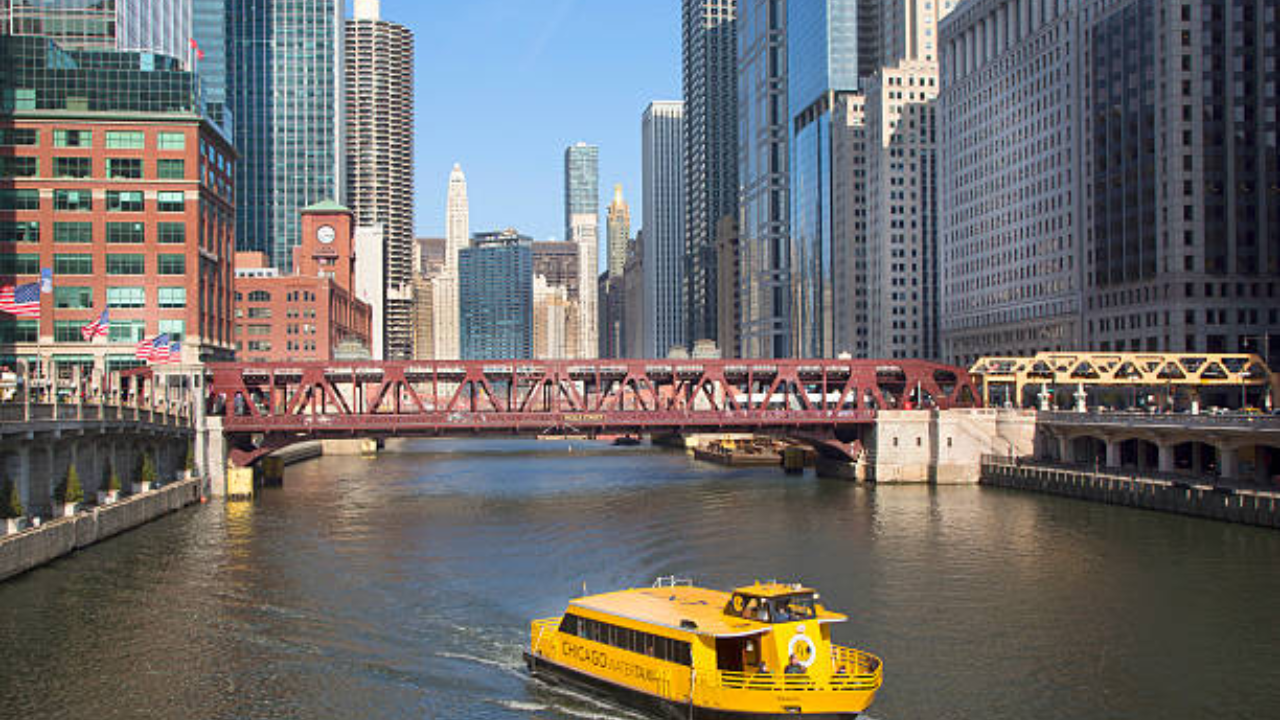
In 1900, the city of Chicago undertook a massive engineering project to reverse the flow of its river. The primary goal of this initiative was to combat outbreaks of disease linked to polluted drinking water. By diverting sewage from Lake Michigan, the city aimed to improve public health.
The project was successful in achieving its objective, and over the decades, it has contributed significantly to bolstering public health in the region. However, the reversal of the river's flow has also had some unintended consequences.
One of the major challenges faced by the city was legal opposition from neighboring states, including Missouri. Despite these challenges, the new river connection has been maintained, and it continues to flow backwards to this day.
The reversal of the river's flow has inadvertently introduced fresh ecological challenges that could disrupt local ecosystems. The introduction of new species and the alteration of the river's natural flow have raised concerns about the potential impact on the environment.
The Chicago River reversal is a testament to the city's innovative approach to solving complex problems. While it has had its challenges, the project has been successful in achieving its primary objective of improving public health.
The story of the Chicago River reversal serves as a reminder of the importance of considering the potential long-term consequences of large-scale engineering projects. As cities around the world continue to grow and develop, they must balance the need for innovation with the need to protect the environment.
In conclusion, the reversal of the Chicago River's flow has been a significant achievement, and it continues to have an impact on the city and its environment. While it has presented some challenges, it has also contributed to improved public health and has served as a model for innovative engineering projects.
The Chicago River reversal is an important part of the city's history, and it will likely continue to be a topic of interest and study for years to come.
As the city looks to the future, it must continue to balance the need for innovation with the need to protect the environment. The story of the Chicago River reversal serves as a reminder of the importance of considering the potential long-term consequences of large-scale engineering projects.
Frequently asked questions
Why did Chicago reverse its river?
To combat outbreaks of disease linked to polluted drinking water.
What has been the impact of the river reversal on the environment?
The reversal has introduced fresh ecological challenges that could disrupt local ecosystems.