Delhi Cabinet Approves Private Universities Bill 2026
Delhi Cabinet clears bill for private universities, proposes 25% seat quota for local students. Bill aims to expand access to quality higher education.
'%3E%3Crect%20width%3D'96'%20height%3D'96'%20fill%3D'%231A5276'%2F%3E%3Ccircle%20cx%3D'30'%20cy%3D'24'%20r%3D'44'%20fill%3D'%23fff'%20opacity%3D'.12'%2F%3E%3Ccircle%20cx%3D'60'%20cy%3D'74'%20r%3D'40'%20fill%3D'%23000'%20opacity%3D'.10'%2F%3E%3C%2Fg%3E%3Cg%20fill%3D'%23fff'%3E%3Cpath%20d%3D'M31%2041%20L48%2031%20L65%2041%20Z'%2F%3E%3Crect%20x%3D'33'%20y%3D'43'%20width%3D'4'%20height%3D'17'%2F%3E%3Crect%20x%3D'41'%20y%3D'43'%20width%3D'4'%20height%3D'17'%2F%3E%3Crect%20x%3D'51'%20y%3D'43'%20width%3D'4'%20height%3D'17'%2F%3E%3Crect%20x%3D'59'%20y%3D'43'%20width%3D'4'%20height%3D'17'%2F%3E%3Crect%20x%3D'30'%20y%3D'62'%20width%3D'36'%20height%3D'4'%20rx%3D'1'%2F%3E%3C%2Fg%3E%3C%2Fsvg%3E)
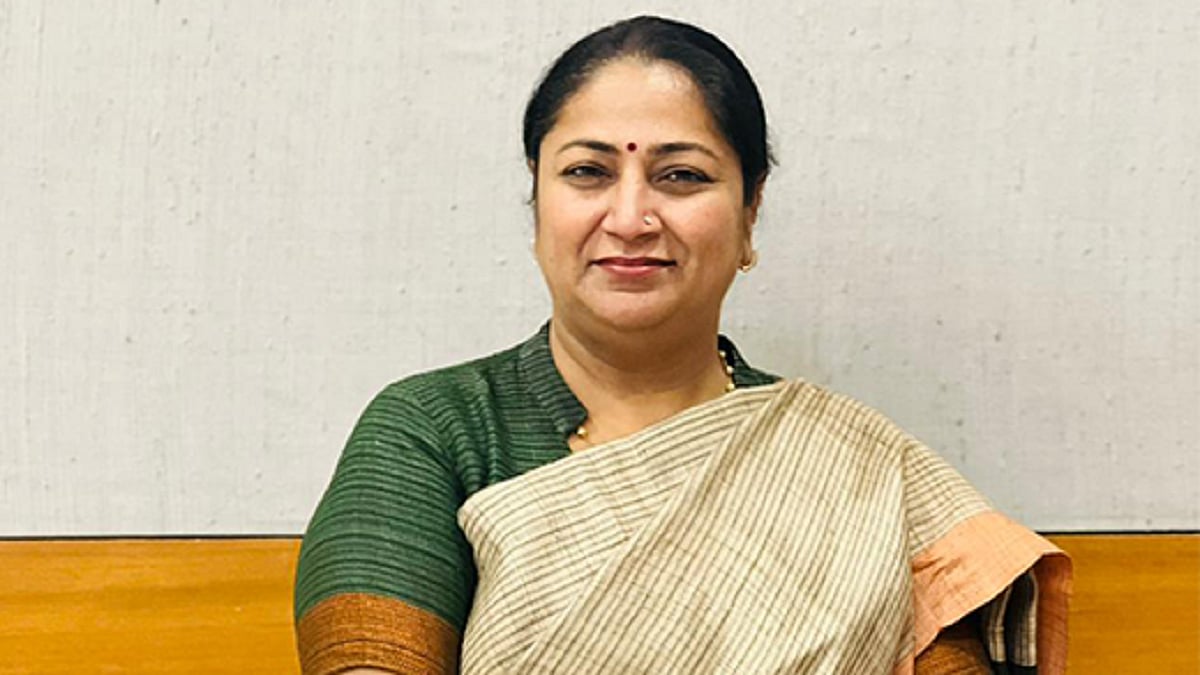
The Delhi Cabinet, led by Chief Minister Rekha Gupta, has approved the draft Delhi Private Universities Bill 2026. This bill paves the way for the establishment of private universities in the National Capital Territory (NCT) of Delhi.
The proposed law aims to create a transparent regulatory framework for private universities, expanding access to quality higher education, research, innovation, and industry-academia collaboration in Delhi.
A key provision of the draft bill is the proposal to reserve 25% of seats in every course for Delhi students. Admissions to these seats will follow the Delhi government's existing quota policy. The bill also proposes merit-cum-means scholarships for 25% of Delhi students, with 5% receiving full fee exemption, 10% a 50% fee waiver, and another 10% a 25% fee concession.
The draft proposes a Delhi Private Universities Regulatory Authority to oversee teaching standards, research, admissions, examinations, student records, governance, and overall institutional performance. This authority will also be empowered to issue corrective directions. The higher education minister will serve as the visitor of private universities and can seek information, order inspections, and initiate administrative, academic, or financial inquiries in case of violations.
Private universities will have to comply with norms of the University Grants Commission (UGC) and other regulators, including the All India Council for Technical Education (AICTE), National Medical Commission (NMC), Bar Council of India (BCI), National Council for Teacher Education (NCTE), Pharmacy Council of India (PCI), and Indian Council of Agricultural Research (ICAR). Faculty appointments will also have to follow UGC norms.
The proposed universities will follow a unitary model, meaning they cannot affiliate colleges and will operate through their own campuses. Keeping Delhi's limited land availability in mind, the bill does not focus on large traditional campuses. Instead, it allows for modern, multi-storey urban campuses, with emphasis on infrastructure, academic quality, research facilities, student services, and governance.
The bill also allows collaborations with foreign universities in accordance with UGC regulations and could enable reputed international institutions to establish a presence in Delhi. Every proposal to establish a private university will undergo detailed scrutiny by a committee comprising government officials, academicians, UGC representatives, and financial experts.
The bill proposes government representation on university management bodies and statutory posts, including the chancellor, vice-chancellor, registrar, finance controller, and examination controller. Chief Minister Rekha Gupta said the objective is to expand students' access to high-quality institutions while ensuring transparency, accountability, and academic standards. Education Minister Ashish Sood said Delhi had faced a long-standing gap in providing quality higher education to its students.
The approval of the Delhi Private Universities Bill 2026 is a significant step towards making Delhi a higher education hub. With the proposed regulatory framework and emphasis on quality education, the bill aims to provide students with more options for higher education and increase the city's attractiveness to international institutions.
In conclusion, the Delhi Cabinet's approval of the Private Universities Bill 2026 marks a major development in the city's higher education landscape. The bill's provisions, including the 25% seat quota for local students and the emphasis on transparency and accountability, are expected to have a positive impact on the city's students and its reputation as a hub for quality education.
Frequently asked questions
What is the main objective of the Delhi Private Universities Bill 2026?
The main objective of the bill is to expand students' access to high-quality institutions while ensuring transparency, accountability, and academic standards.
What is the proposed seat quota for local students in private universities?
The bill proposes a 25% seat quota for local students in every course.